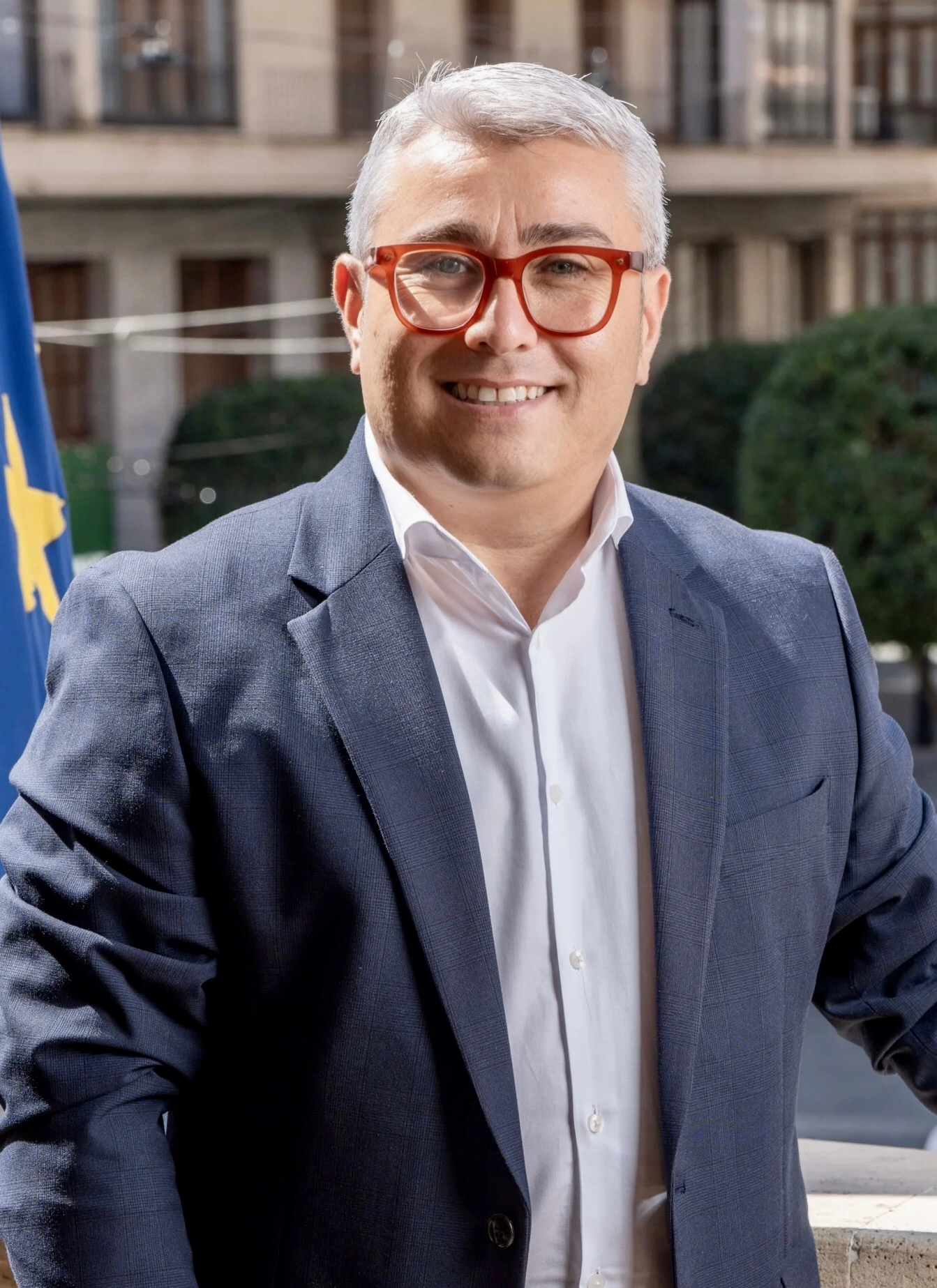
VIRGILIO MORENO
MAYOR
INCA CITY COUNCIL
. INCA, THE BEAUTY OF AUTHENTICITY AND SIMPLICITY .
«BALEARIC ISLANDS, SUSTAINABLE EXCELLENCE»
NastaONE International Communication and Foreign Investment Trends
In the geographical heart of Mallorca, far from the coastal pulse that usually defines the island in the global imagination, Inca reveals itself as a land of transit and permanence.
A city with its own voice that asserts itself through its unique identity and the genuine heartbeat of inland Mallorca.
Here, beauty is not measured in kilometers of beach, but in the honesty of everyday life: in the tranquility of its streets, the warmth of its people, and a leisurely yet vibrant lifestyle firmly centered on work, production, coexistence, and human connection.
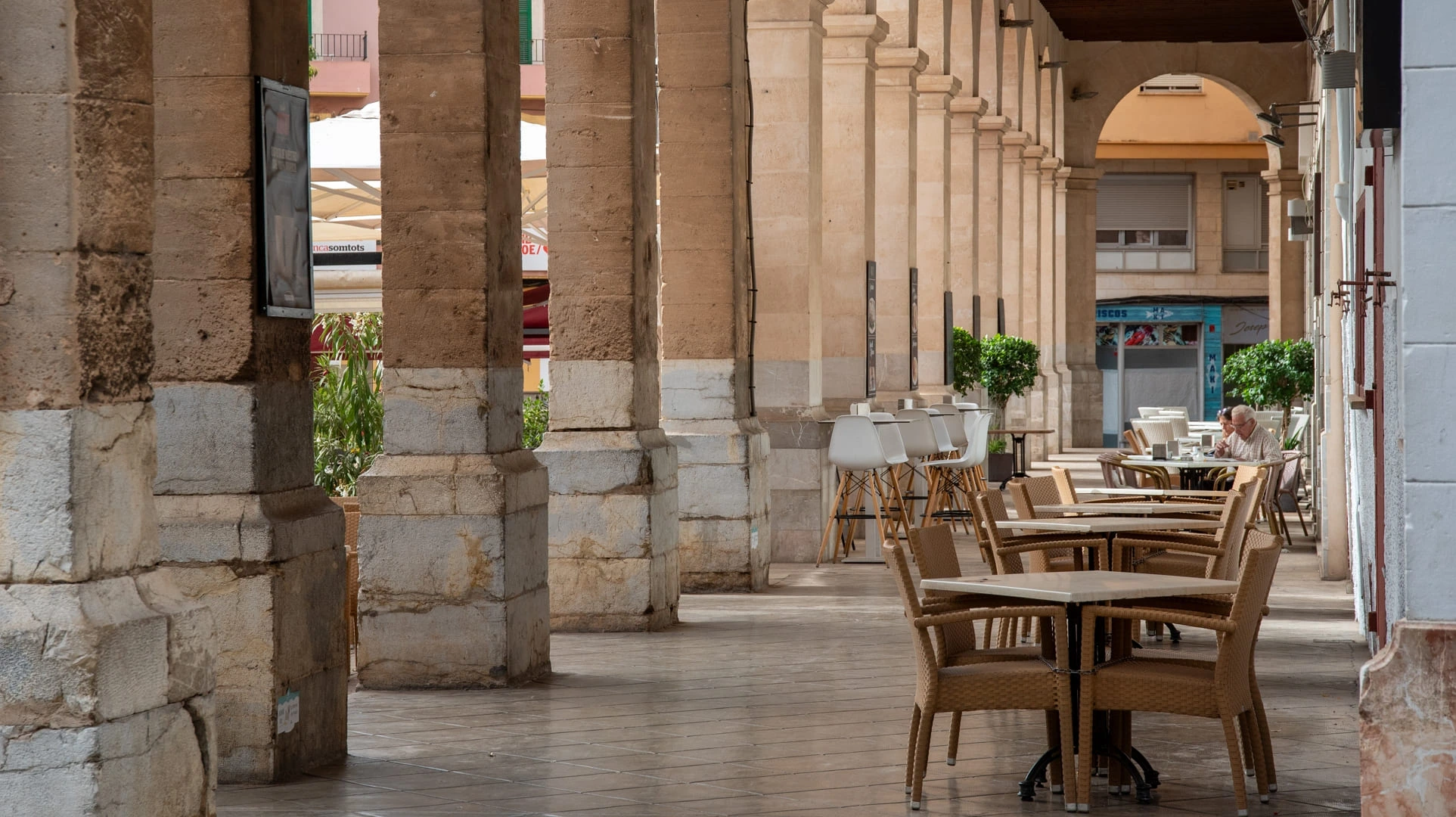
Inca does not offer coastal postcards, but it does offer a living mosaic rich in history, character, and future. With a population of around 37,000 inhabitants, this city occupies a privileged strategic position in the center of the island, establishing itself as a natural and essential communications hub—a place with a soul in the heart of Mallorca.
The railway line, a network of highways, and daily mobility flows have made it the great meeting point between territories; a place you pass through, but also a destination you always return to and put down roots.
Inca is a crossroads where contemporary dynamism does not compromise its essence. This role as a logistics hub coexists harmoniously with an industrial memory deeply rooted in the world of leather and footwear—an artisanal tradition that not only shaped its economy but also projected the city’s name on an international scale. Iconic firms of global reach and Mallorcan origin, such as Camper, Lottusse, or Barrats, were born in the warmth of the local workshops of Inca.
Today, these brands keep their emotional and operational ties to the city intact, maintaining headquarters, design centers, and business structures that continue to connect local talent with the world’s major capitals, consolidating the international profile of the municipality.
This valuable industrial legacy is not a museum piece, but the driving force behind a contemporary reality undergoing full transformation.
Slowly but surely, guided by an inclusive vision, Inca has successfully diversified its economic fabric. Today, the city balances its historic manufacturing vocation with a dynamic commercial sector, a culinary scene rooted in tradition yet forward-looking—represented by its emblematic cellers—and a firm commitment to innovation, services, and the quality of life of its citizens.
Dear Mayor, thank you very much for having us today.
It is a real pleasure to delve with you into the essence of Inca, a city that has successfully reinterpreted itself without ever losing its roots.
If you had to describe Inca to someone who has not yet had the opportunity to know it, how would you define it?
Thank you very much, Patricia. It is a real pleasure for us to help give international visibility to that other side of Mallorca—sometimes still so unknown—through The Ambassadors Sections.
For me, Inca ideally represents inland Mallorca.
When describing it, I always speak of a city where industrial memory, geographical centrality, and everyday life are naturally intertwined to shape a unique model within the island: perhaps a destination less iconic on the surface of traditional tourist guides, but deeply revealing from within.
Inca is located in the heart of Mallorca, the most popular tourist island in the Mediterranean.
We are a mid-sized city of about 37,000 inhabitants, and we describe ourselves with legitimate pride as a «City 10.»
We call it that, among other reasons, because any part of the town center can be reached within just a 10-minute walk.
We are a very compact urban center, where our industrial past—especially linked to the footwear sector—is still very much alive.
We proudly preserve the original headquarters of some of the most recognized shoe brands in the world, such as Camper, Lottusse, or Yanko, along with many other firms that, although no longer operating, are an indisputable part of our history.
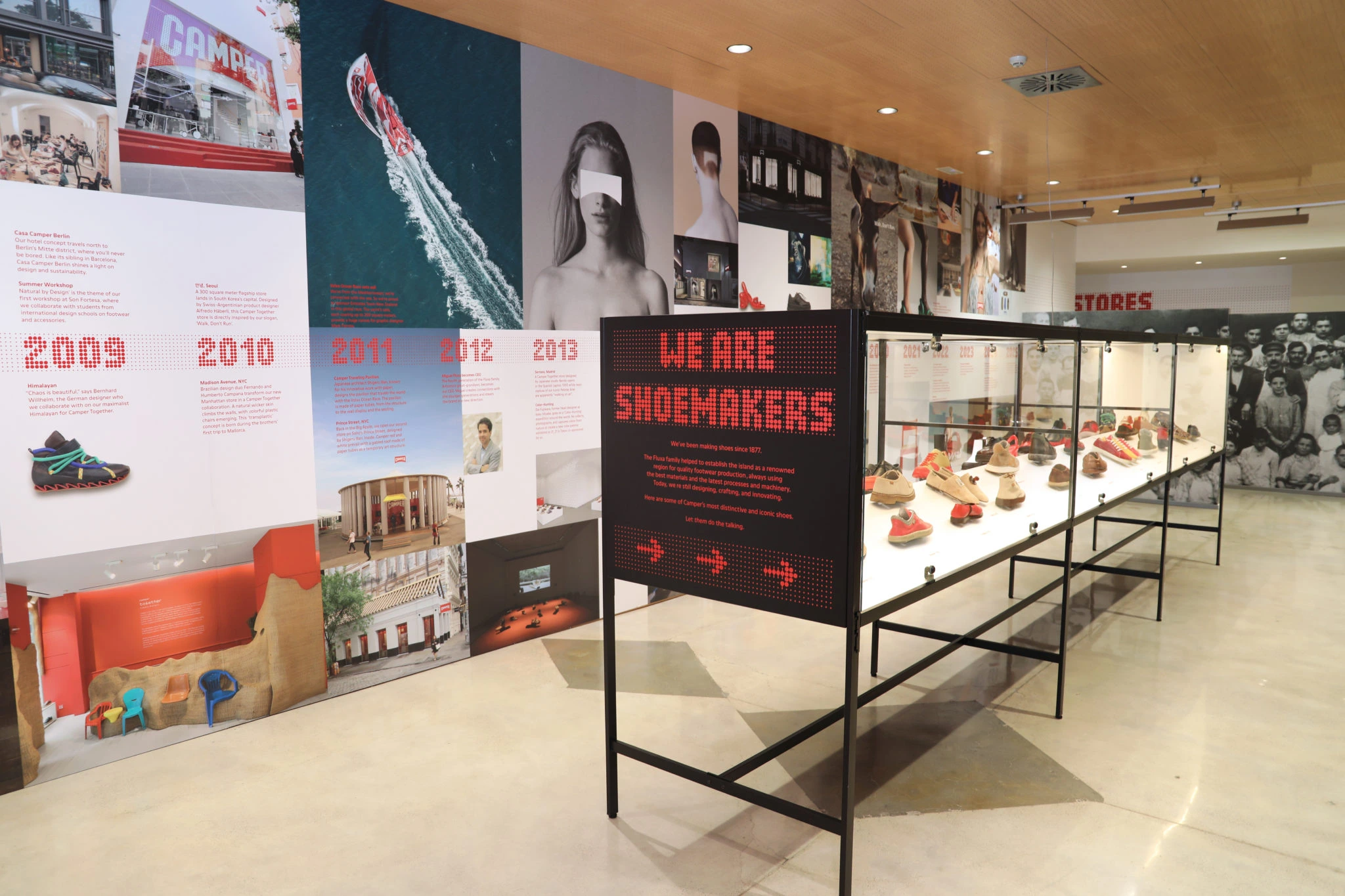
Today, these large companies are still very present in the daily dynamism of the city, maintaining their tax headquarters, administrative structures, and creative design centers here.
They carry the essence of Inca all over the planet. In fact, we recently had a meeting with representatives from Princeton University in the United States, and when we told them that Inca is Camper’s global headquarters, they couldn’t quite believe it.
They wondered how an inland city, in the heart of Mallorca, could be the cradle of a multinational with such a global impact. Well, yes, that is exactly right.
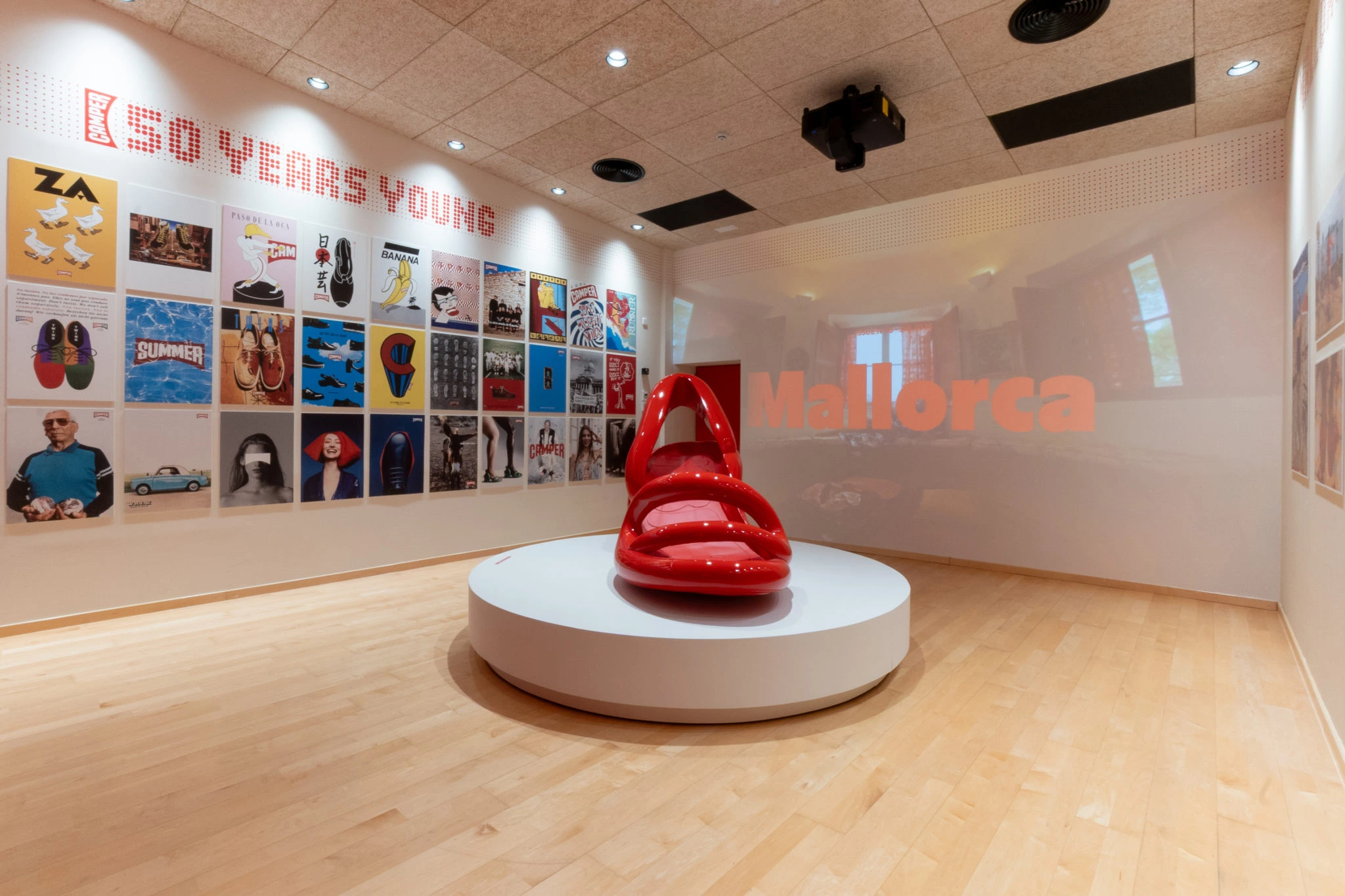
In fact, Camper celebrated its 50 years of history by paying a beautiful tribute to its roots right here, in the municipality where it was born; a phenomenon of local roots and international projection that is also replicated with other major corporations in the tourism sector.
In short, the brand acts as a magnet and a first-rate showcase for us. As a relevant fact, its store in Inca is the most visited in the world, surpassing the foot traffic of stores in capitals like New York or London, with a record that exceeds 400,000 visitors a year.
This figure gives a clear idea of the immense potential that Inca holds when we work in a coordinated way, supported by a manufacturing tradition linked to leather and footwear that has left an indelible mark on our collective identity.
Inca’s is a beautiful story of rebirth and resilience…
Yes, in a historical context, Inca was widely recognized as the authentic industrial heart of Mallorca.
For much of the twentieth century, our city experienced a true golden age thanks to a powerful leather and footwear industry that positioned it as one of the main manufacturing centers in all of Spain.
These emblematic firms that operate globally were established, precisely, in the warmth of this ecosystem of artisanal tradition and productive excellence.
However, during the 1980s and 1990s, the sector began to experience a progressive decline driven by the challenges of globalization, the relocation of production to markets with lower labor costs, and increasing international competition.
This structural change led to the closure of numerous workshops and factories, forcing the city to thoroughly rethink its economic model.
Far from remaining anchored in industrial nostalgia or regret, Inca knew how to launch a process of transformation that was slow and quiet, yet extremely firm.
It diversified its economic fabric, promoted local commerce, strengthened its role as a strategic hub in the center of the island, and made a firm commitment to enhancing its identity—ranging from the traditional Dijous Bo to its renewed gastronomic and cultural scene.
Today, the city successfully combines its valuable manufacturing legacy with a new narrative of dynamism and authenticity, standing as a community that has been able to reinterpret its own history and reinvent itself to build its future.
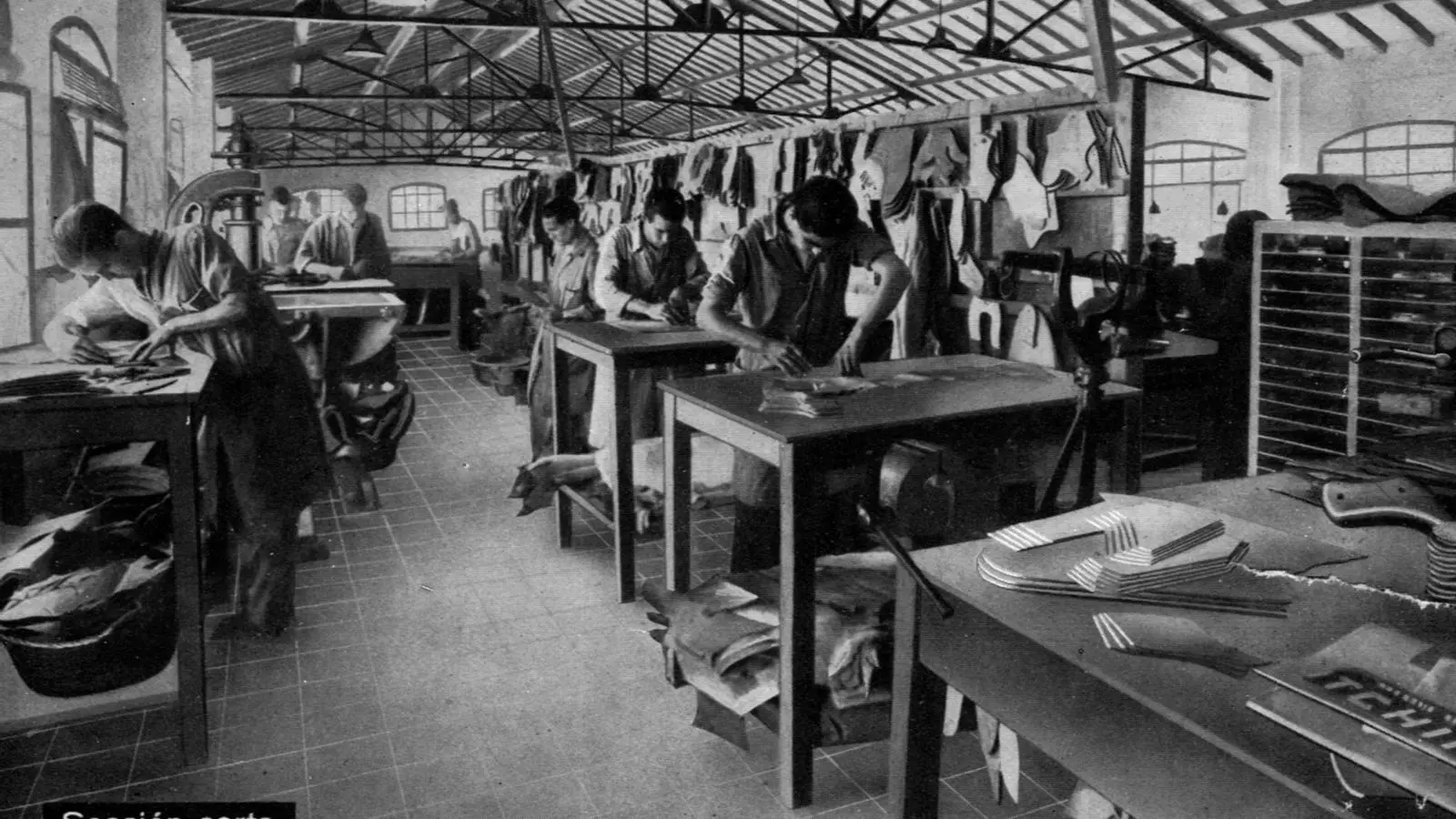
How was this process experienced from the inside?
It was experienced as a mixture of uncertainty and undoubted harshness.
We are talking about a very tight-knit economic fabric, family businesses, and surnames linked to the workshops throughout their lives; for this reason, the cessation of activity in those factories was not only an economic blow, but it also meant a social and emotional fracture for our community.
However, that crisis also awakened a deep collective consciousness: the certainty that Inca had to evolve in order to remain relevant.
That was the beginning of that process of adaptation and resilience that defines our character today.
As the best tribute to that legacy and to the families who made it possible, we decided that our memory could not disappear.
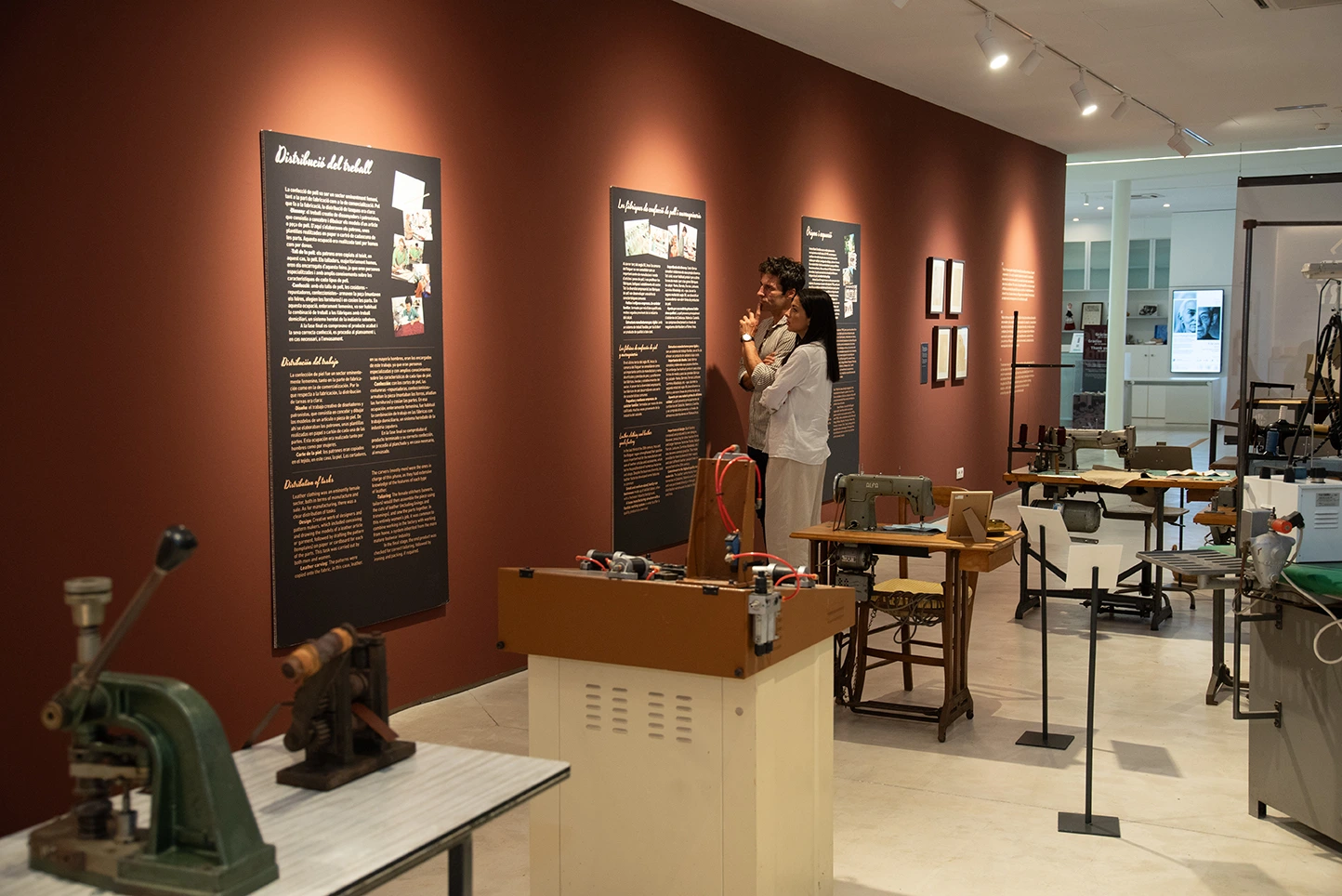
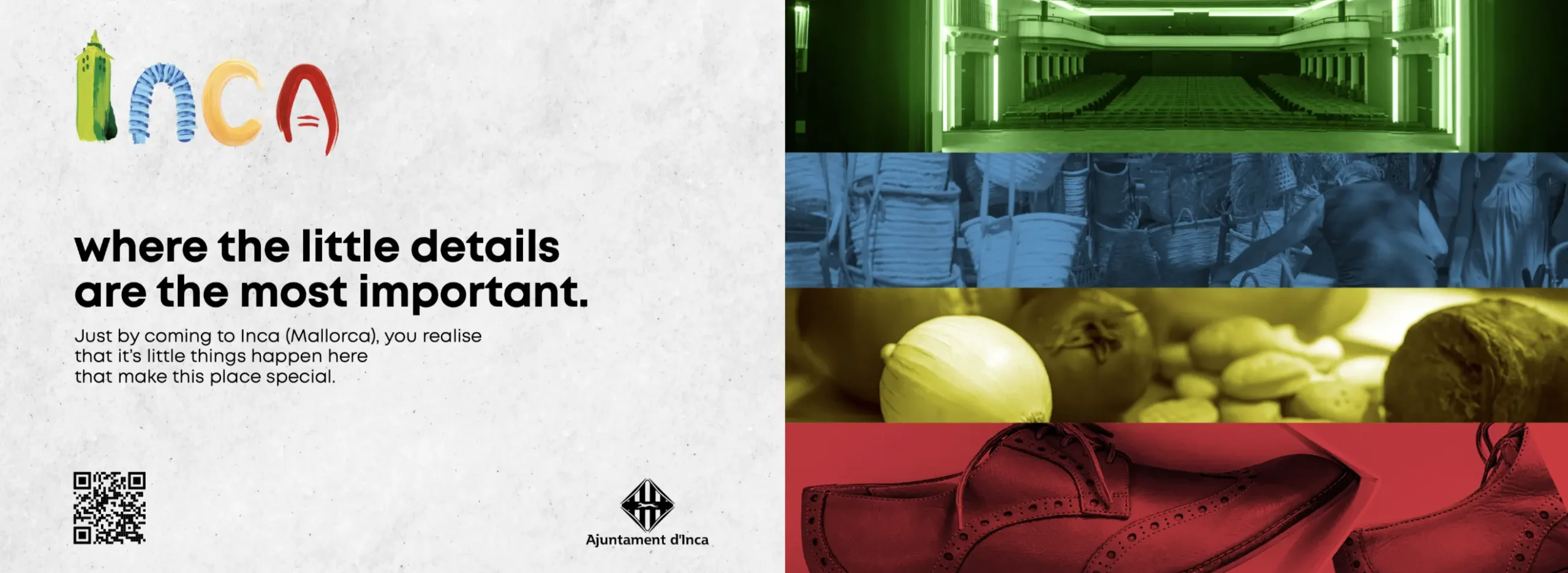
From that determination was born the Museu del Calçat i de la Indústria, a space that preserves the machinery, tools, and know-how of that golden age, honoring our history to turn it into a top-tier cultural asset.
It is the reflection of our pride: converting the old pavilions of the cavalry barracks into a living museum that today attracts visitors from all over the world and explains who we are and where we come from.
It is the perfect bridge between our past and our economic and tourism future.
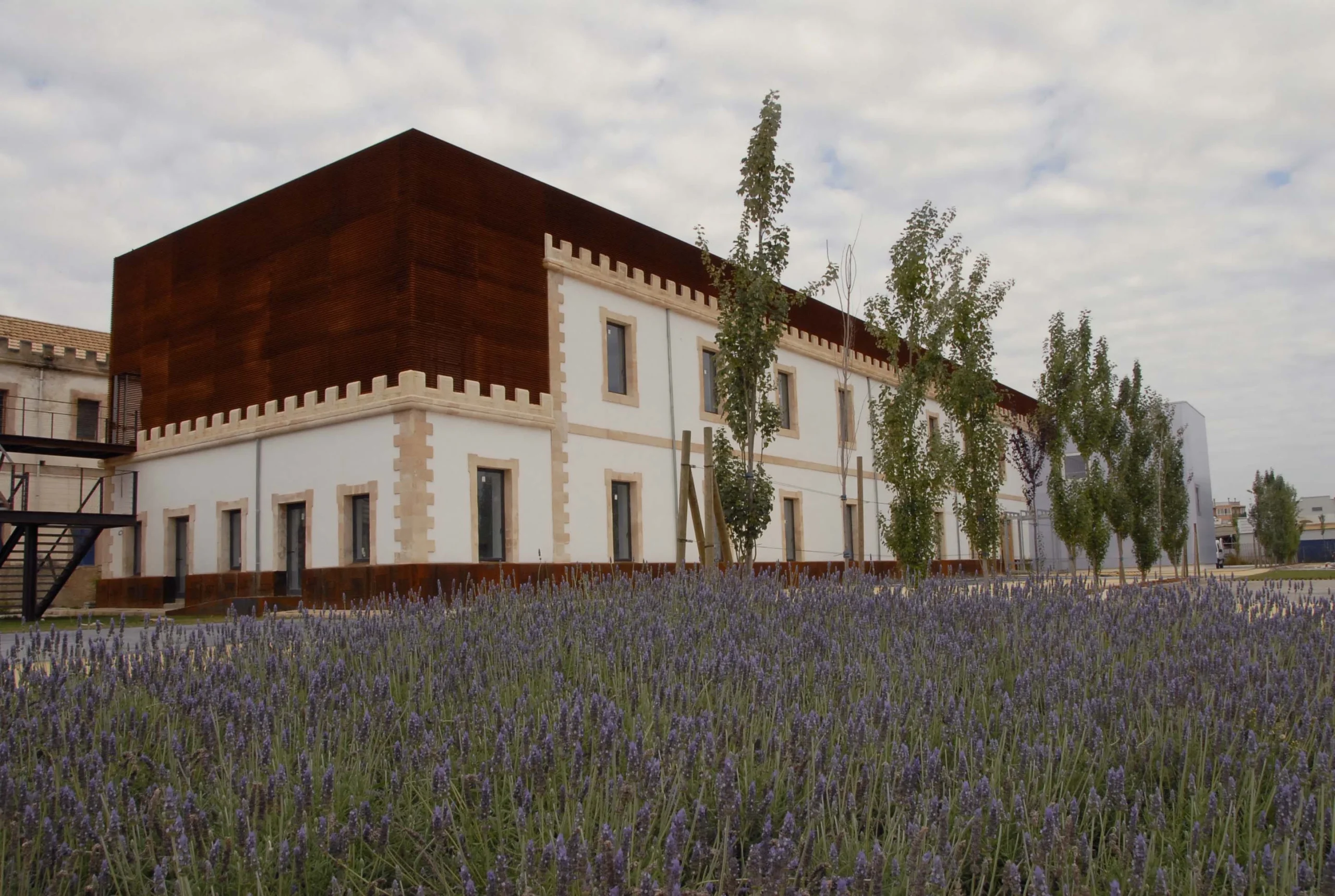
The «Inca Footwear and Industry Museum», one of the city’s most attractive cultural and tourist highlights
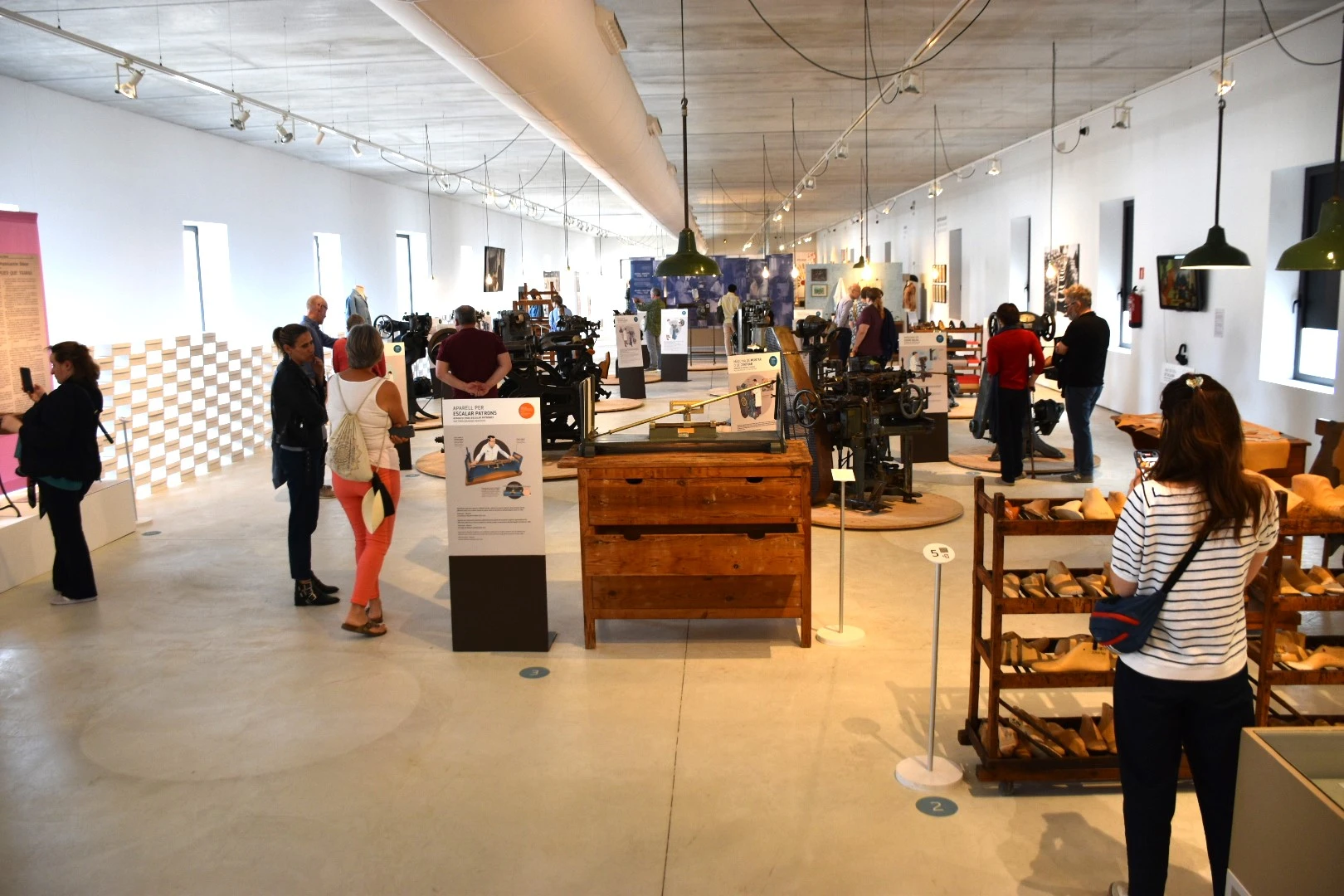
Today, beyond its sentimental value for the residents of Inca, the Museu del Calçat i de la Indústria has established itself as one of the most powerful tourist and cultural attractions in the city.
Located in the emblematic and historic General Luque Barracks, this space moves away from the traditional concept of a static museum to offer a fully immersive, interactive, and accessible experience for the whole family—an avant-garde approach that earned it a prestigious nomination for European Museum of the Year (EMYA).
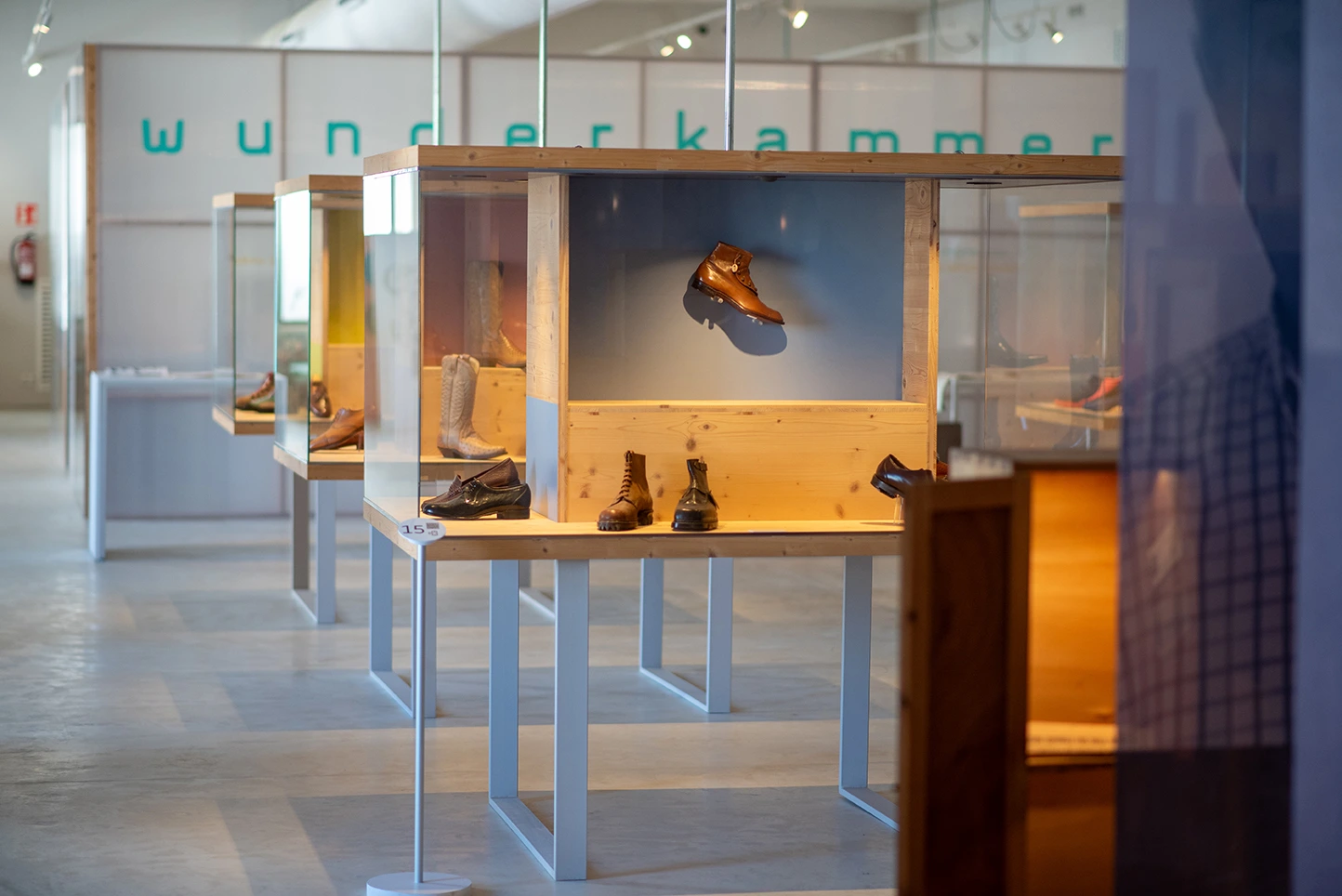
Visitors can delve into the atmosphere of the old factories, see original nineteenth-century historical machinery at work, understand the meticulous artisanal process of leather crafting, and contemplate collections ranging from eighteenth-century footwear to contemporary designs from the multinationals born in the city.
Today, the museum not only safeguards the past but also acts as a vibrant engine of cultural revitalization through temporary exhibitions, workshops, and fashion events, successfully positioning Inca on the international map of quality and identity-driven tourism.
It is evident, Mr. Mayor, that we are looking at the ideal moment for Inca.
The unique qualities that define the city coincide exactly with what today’s visitors are looking for most eagerly: authenticity, history, and gastronomy as an alternative to global overcrowding.
It is a moment where Inca shines because it has everything naturally, and one gets the feeling that the best is yet to come…
I completely agree. We find ourselves in a scenario where our greatest strength is, precisely, simplicity and deep roots—virtues that are part of our deepest essence.
Over the last decade, we have experienced a quiet but extremely solid transformation, managing to completely shift the perception of the city.
This evolution is a palpable reality when you talk to our local business community: merchants, restaurateurs, manufacturers, and creators.
What is really interesting is that our historical foundation now blends perfectly with a new generation of entrepreneurs who are championing innovative concepts in gastronomy, design, and services, achieving an ideal balance between tradition and modernity.
Those who visit us can step into a traditional shop, buy directly from the artisan, or sit in an authentic cellar to enjoy seasonal cuisine that no franchise in a crowded tourist area could ever replicate.
That honesty is also lived daily in our Municipal Market, inviting travelers to experience local life just as we do.
In a world where many destinations compete for spectacularity, Inca offers the incalculable value of the genuine, providing the opportunity to experience Mallorca from the inside, connecting with its history and its own rhythm.
I always say that, thanks to this shared effort, we have gone from being a town you just pass through to a town where things are happening.
That is why I am certain that the best is yet to come, and we will continue to focus on consolidating an increasingly friendly and accessible city, because those are the values that make us truly unique.
Like the art of Shopping without haste…
Local commerce is a great economic dynamizer for Inca, finding its maximum expression in the character and activity of its markets.
Indeed. Walking through Inca with the intention of shopping means immediately reconnecting with the most authentic and welcoming local commerce.
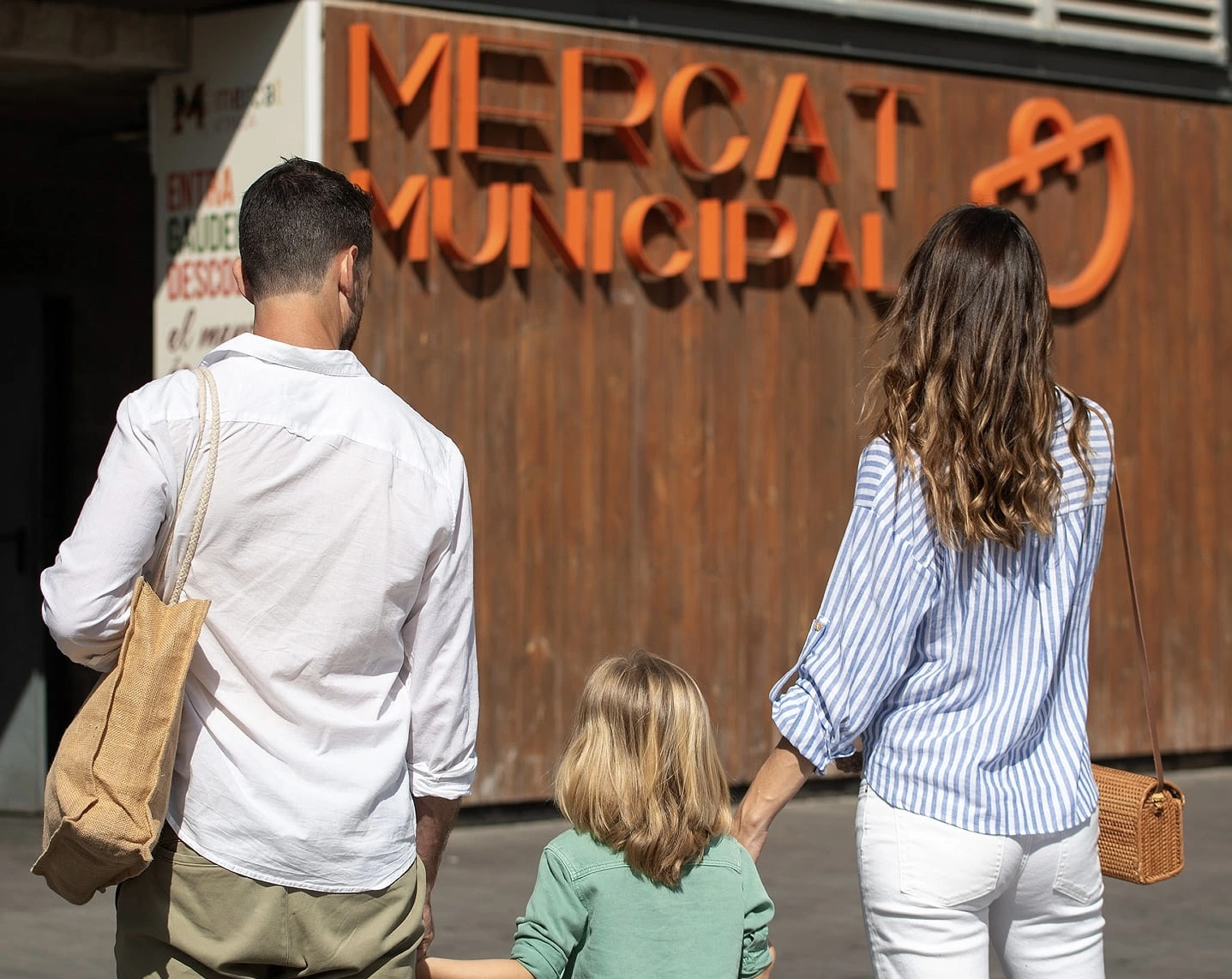
The heart of this experience beats especially strongly in our covered Municipal Market, a daily meeting point where the vibrant colors of local vegetables, the aroma of traditional cold cuts, and the freshest fish blend with the lively bustle of its famous bars—ideal for enjoying tapas made with the product of the day.
It is a space of avant-garde design, inaugurated in 2010 on the site of the old 1960s market, which we envision precisely as a driving force and a social benchmark for the city.
To facilitate daily life for both residents and visitors, the infrastructure features a two-story underground parking garage that solves parking in the city center.
Inside, commercial life is diversified through twelve specialized stalls that guarantee the highest quality: from trusted butchers, bakeries, and greengrocers with zero-kilometer produce, to stalls featuring spices, nuts, prepared meals, and catering spaces.
It is, in short, a modern market that safeguards our customs, protects local employment, and offers a comfortable, welcoming, and highly attractive shopping experience.
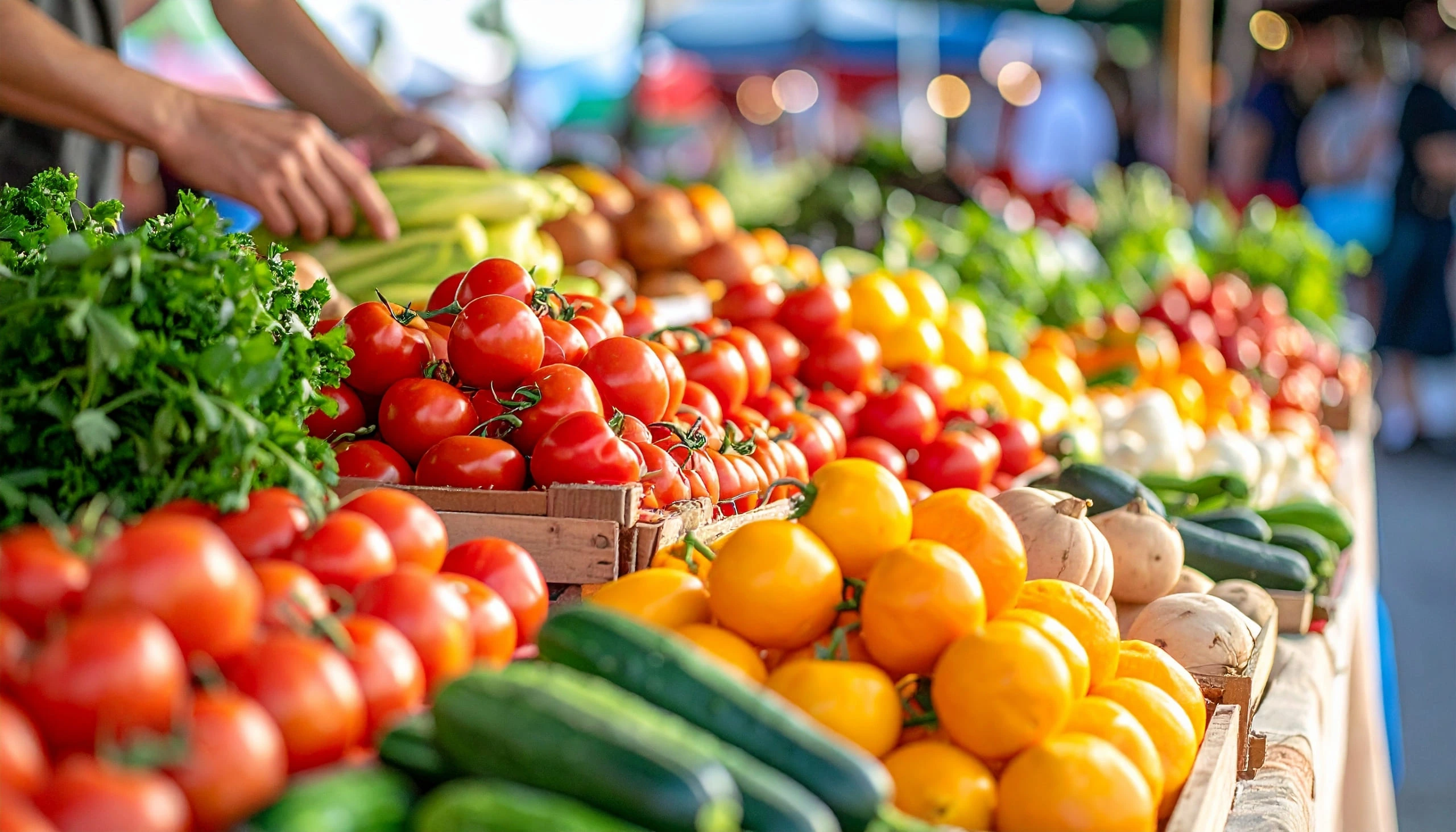
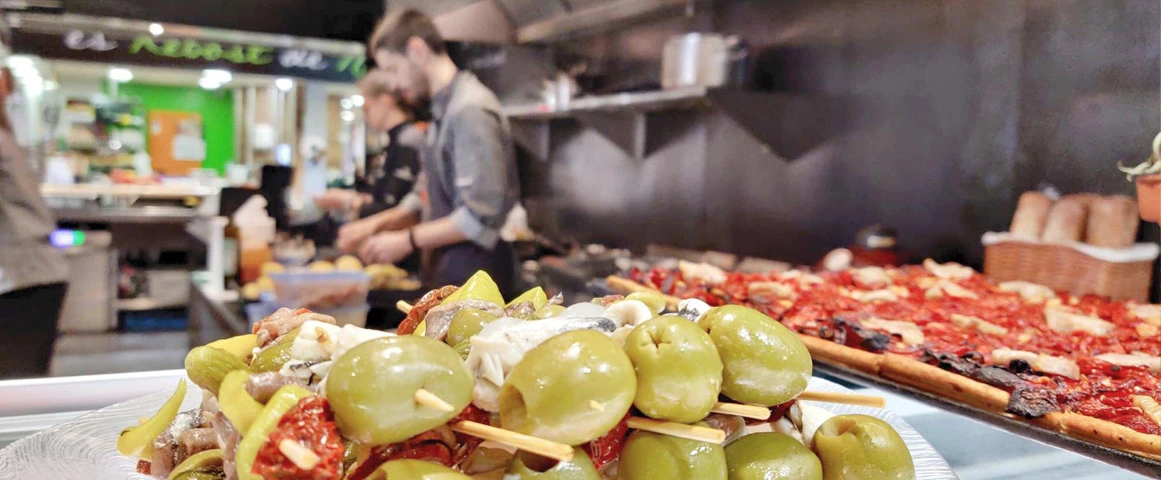
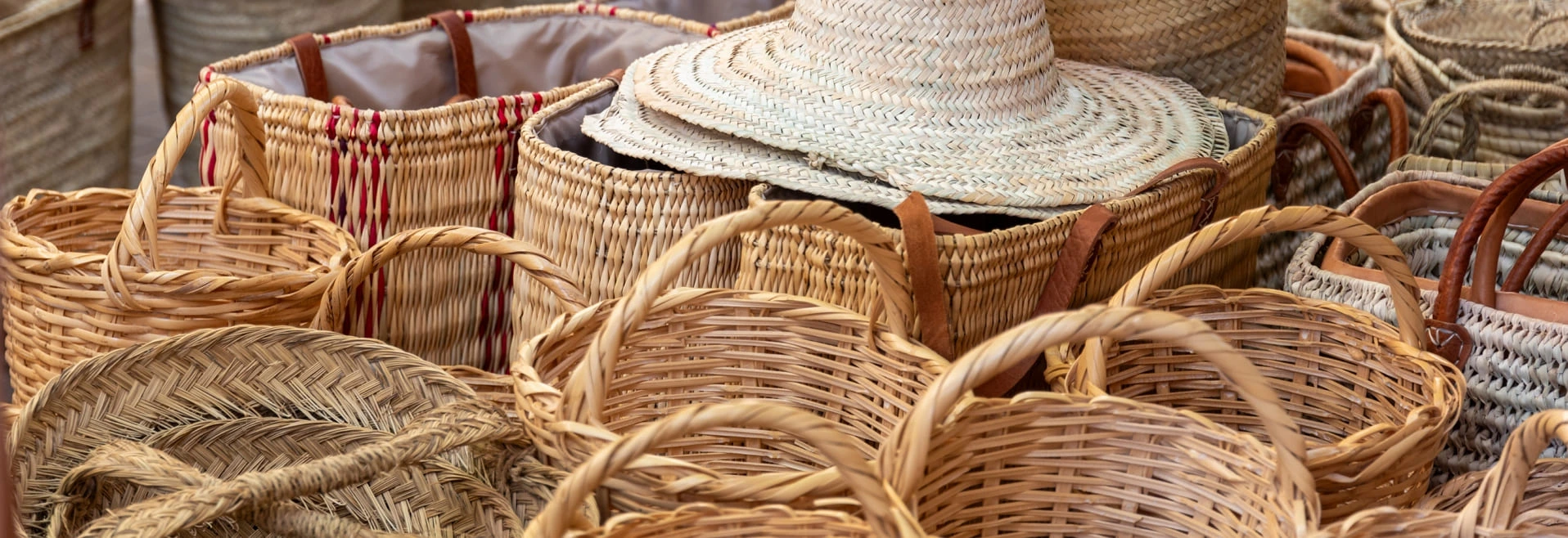
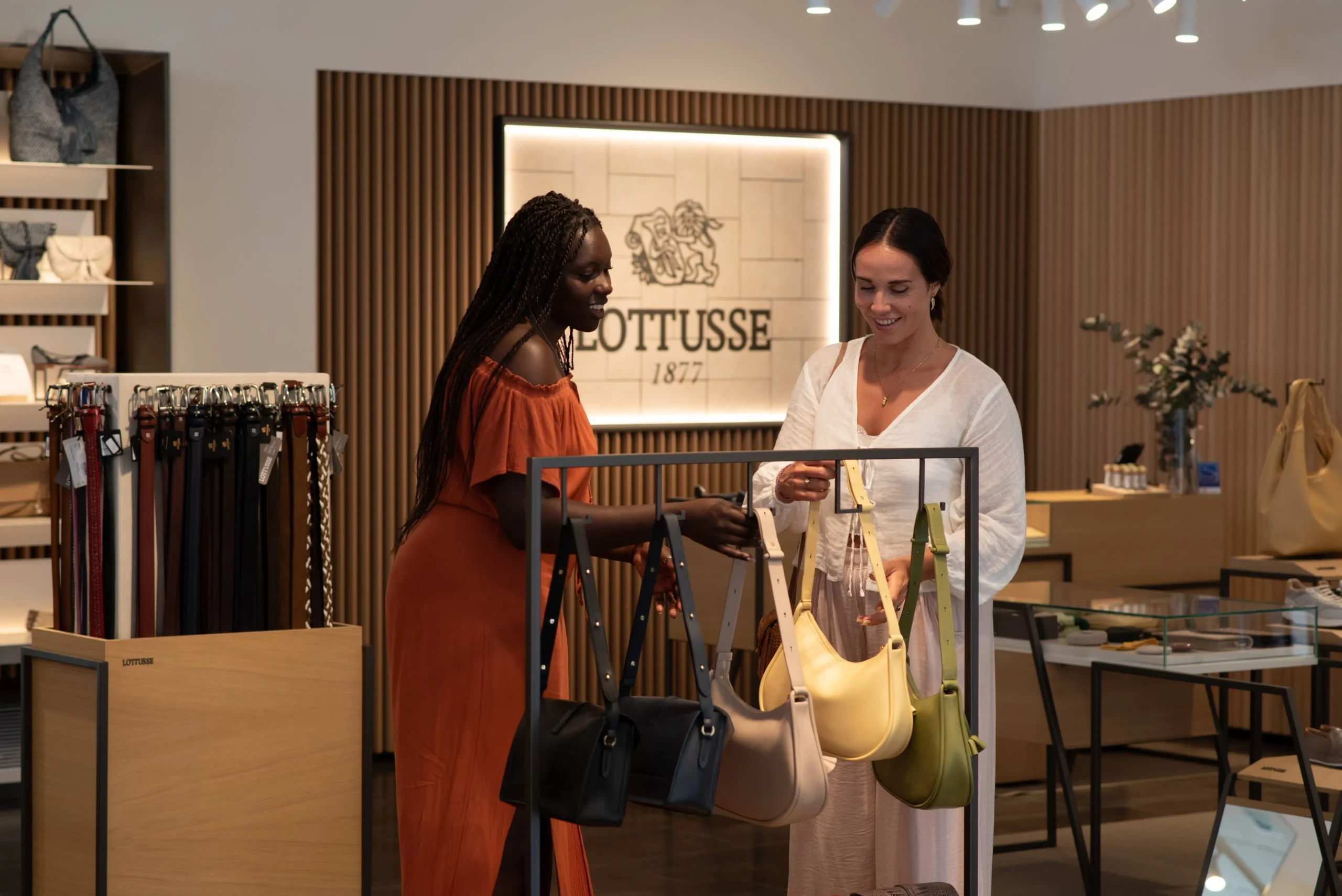
But the commercial charm of the city goes much further: it is hidden in the pedestrian alleys of our historic center, dotted with small artisan shops that carefully guard the traditional craft of leatherwork, where even today it is possible to buy jackets, bags, and shoes with that distinct aroma of a traditional workshop.
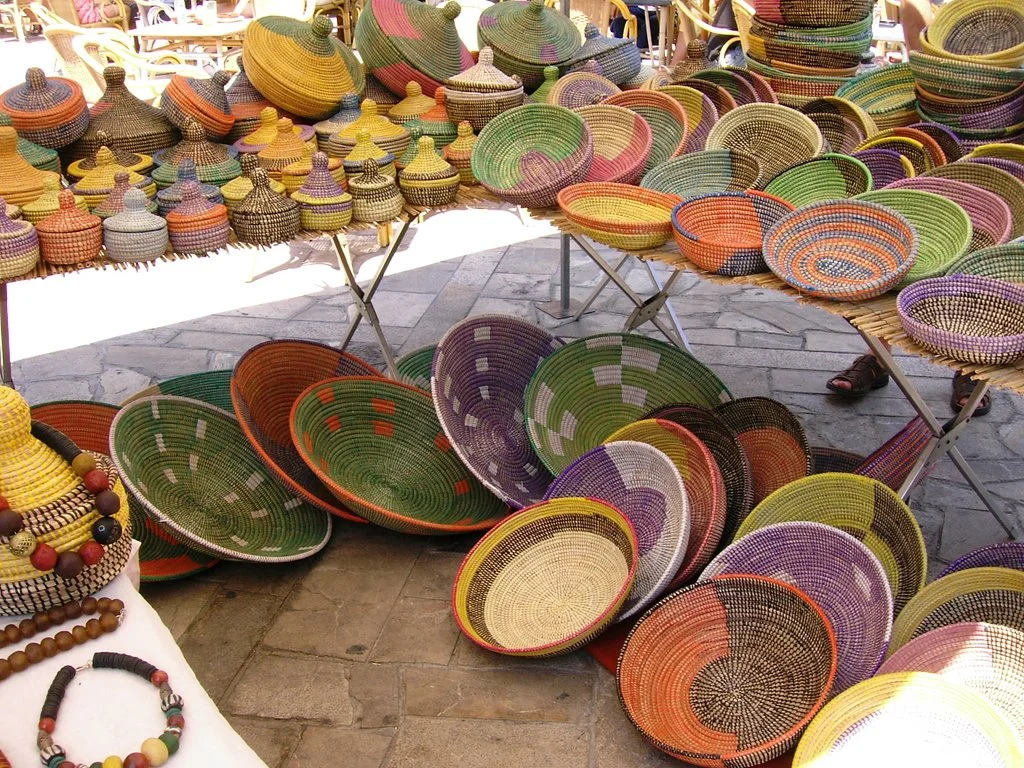
Shopping in Inca, especially during our vibrant open-air market on Thursdays—a historical landmark throughout Mallorca—is not an act of mass consumption, but a true cultural journey.
It is an experience that provides the opportunity to chat leisurely with the shopkeeper, to value zero-kilometer products, and to take home an authentic piece of that inland Mallorca that works, designs, and produces with legitimate pride.
This deeply rooted industrial heritage expands towards the outskirts of the city, where the iconic factory outlets of major local and international brands offer a smart, premium shopping experience, allowing visitors to acquire exclusive Mallorcan design pieces with attractive discounts.
Mayor, how does this idea of a more tourist-friendly, open, and connected city translate into real life?
What we want is to offer visitors a fully integrated way of experiencing, participating in, and getting involved in our day-to-day life, enjoying our traditions and our own unique identity as a city.
It is a very fascinating phenomenon because, historically, Inca is the birthplace of the great Mallorcan hoteliers who today lead the tourism industry worldwide, internationally prestigious dynasties have their roots right here.
Their legacy constitutes a living heritage that is part of the current essence of our municipality; however, unlike the large coastal resorts that they deployed around the world, in Inca we are committed to a boutique model: small, charming urban hotels and exceptional agritourism estates.
Just ten years ago, there was not a single inland hotel in our urban center. Today, thanks to a strategy determined to recover our architectural heritage and bring added value to the city, we already have three urban hotel jewels of which we are deeply proud.
These establishments, combined with the excellent agritourism in our municipality, allow us to now exceed 2,000 top-quality accommodation beds across our territory.
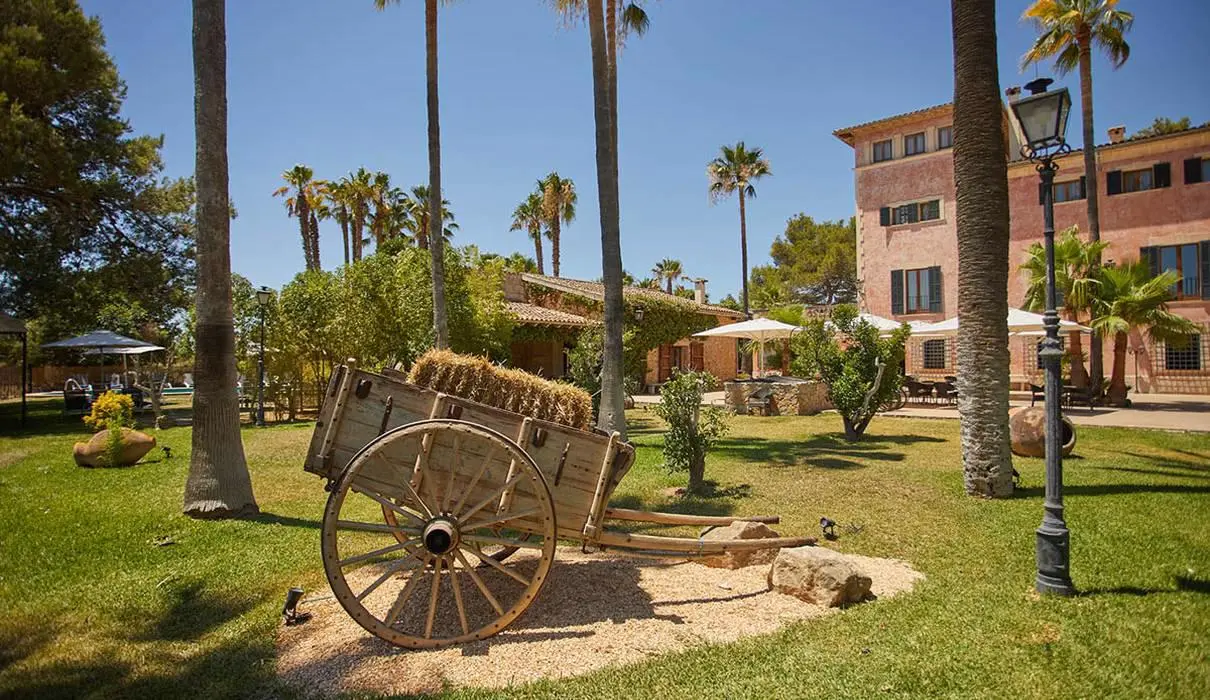
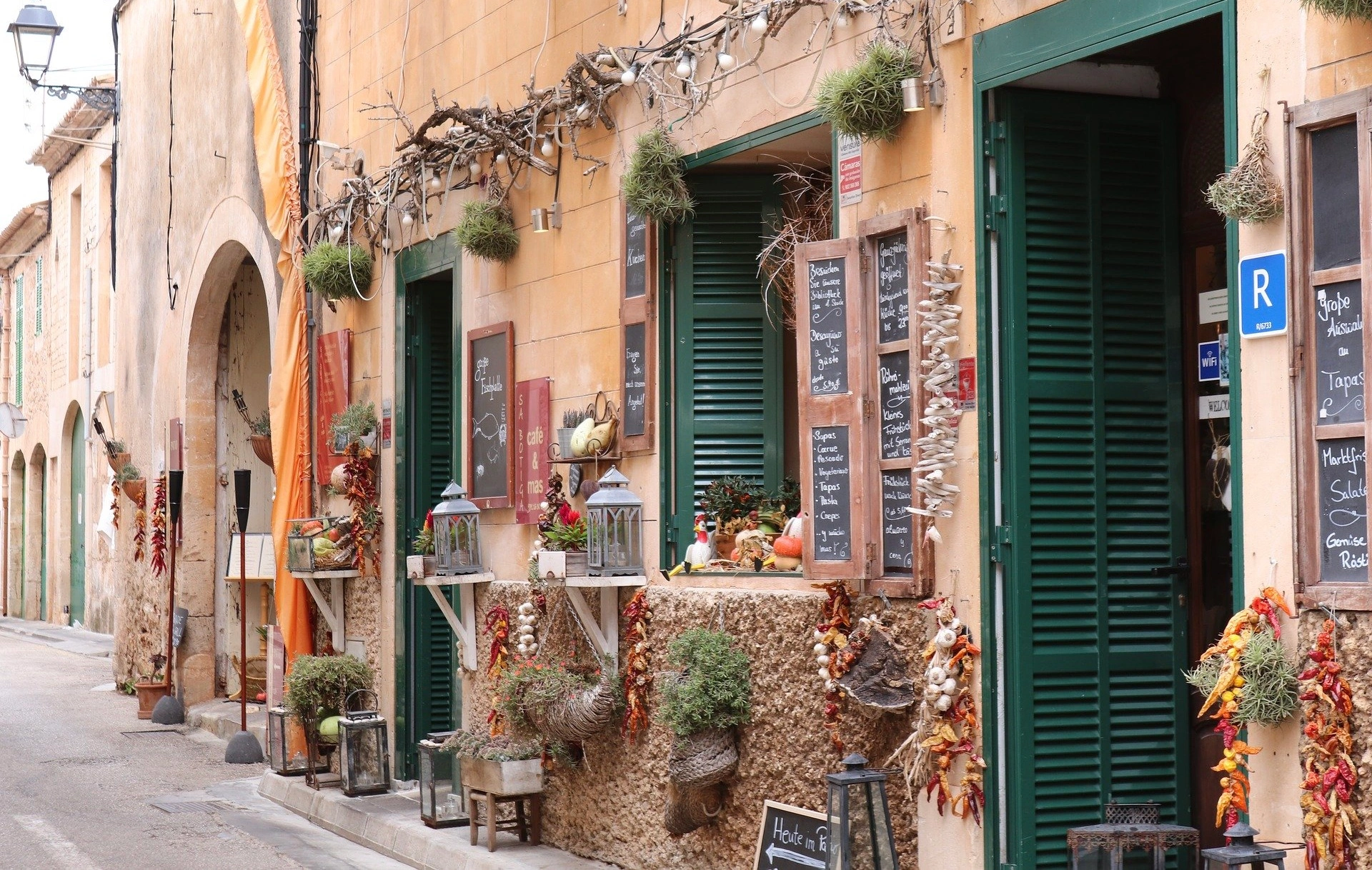
For me, talking about our countryside estates is to reveal one of the best-kept secrets of Inca: they are true sanctuaries for the soul.
I always like to say that, while the coast of Mallorca beats at an accelerated pace, crossing our municipal border into the countryside is like entering a completely different dimension.
It is the luxury of silence.
In these old Mallorcan estates and historic fincas, restored with exquisite taste, you can breathe absolute peace.
Guests who visit these properties are looking for a total disconnect.
They are travelers fleeing the crowds, who value waking up to the sole sound of nature, walking among centuries-old olive trees with the silhouette of the Serra de Tramuntana in the background, or simply reading leisurely under the afternoon sun.
In Inca, we offer an ideal space to take a deep breath, slow down, and reconnect with the essentials.
Those who choose us are not just looking for a place to sleep; they are looking for a space where they can find themselves through the purest tranquility of our land.
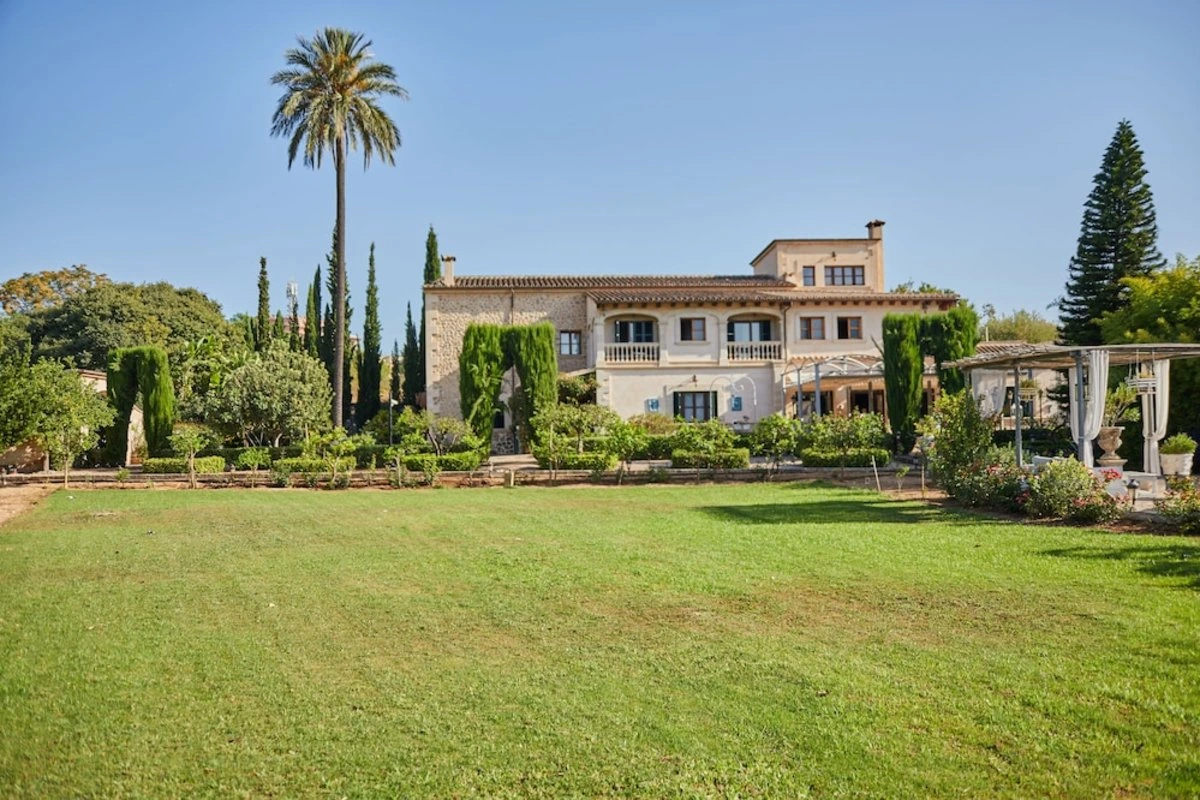
Inca is a jewel to be discovered that perfectly complements the current Balearic model.
How is the strategy progressing to consolidate this city brand as an alternative to traditional sun and beach tourism?
Our main strength lies precisely in differentiating ourselves completely from what the coast offers.
We have no intention of competing with coastal tourism; what we are looking to do is complement Mallorca’s accommodation and holiday offering—the most visited island in the entire Mediterranean—by showcasing the virtues and charm of that other inland Mallorca: a place that is lively, welcoming, and vibrant twelve months of the year.
Our absolute priority is to enhance the cultural, gastronomic, and natural assets of the municipality to attract a more diversified visitor profile while reducing seasonality—a traveler looking for authenticity, calm, and quality.
We want to offer a genuine alternative based on the experience of resting well, disconnecting from the noise, shopping in traditional artisan shops, and fully immersing oneself in our day-to-day life.
To achieve this, we leverage two unbeatable differentiating elements.
The first is our distinct local gastronomy, which has become a deciding factor in the increase of visitors in recent years, especially those who choose to stay overnight in the city.
The second is our strategic location: Inca is the true gateway to the Serra de Tramuntana.
Connecting the Serra with our city opens up an extraordinary range of opportunities for hiking, cycling, and nature tourism.
In short, we value our environment and the pride of our zero-kilometer local products to demonstrate everything that Inca can contribute to a truly authentic tourism experience.
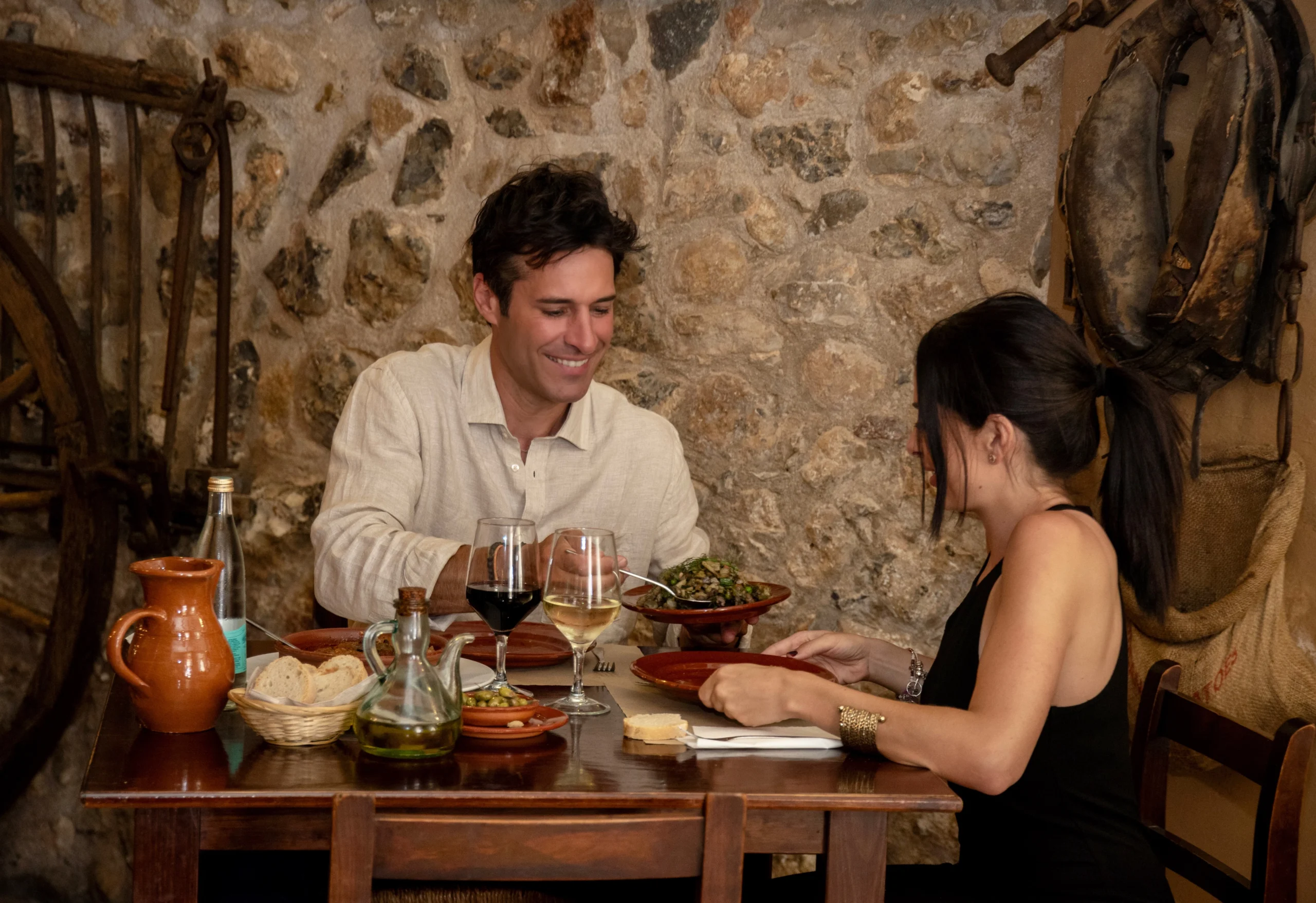
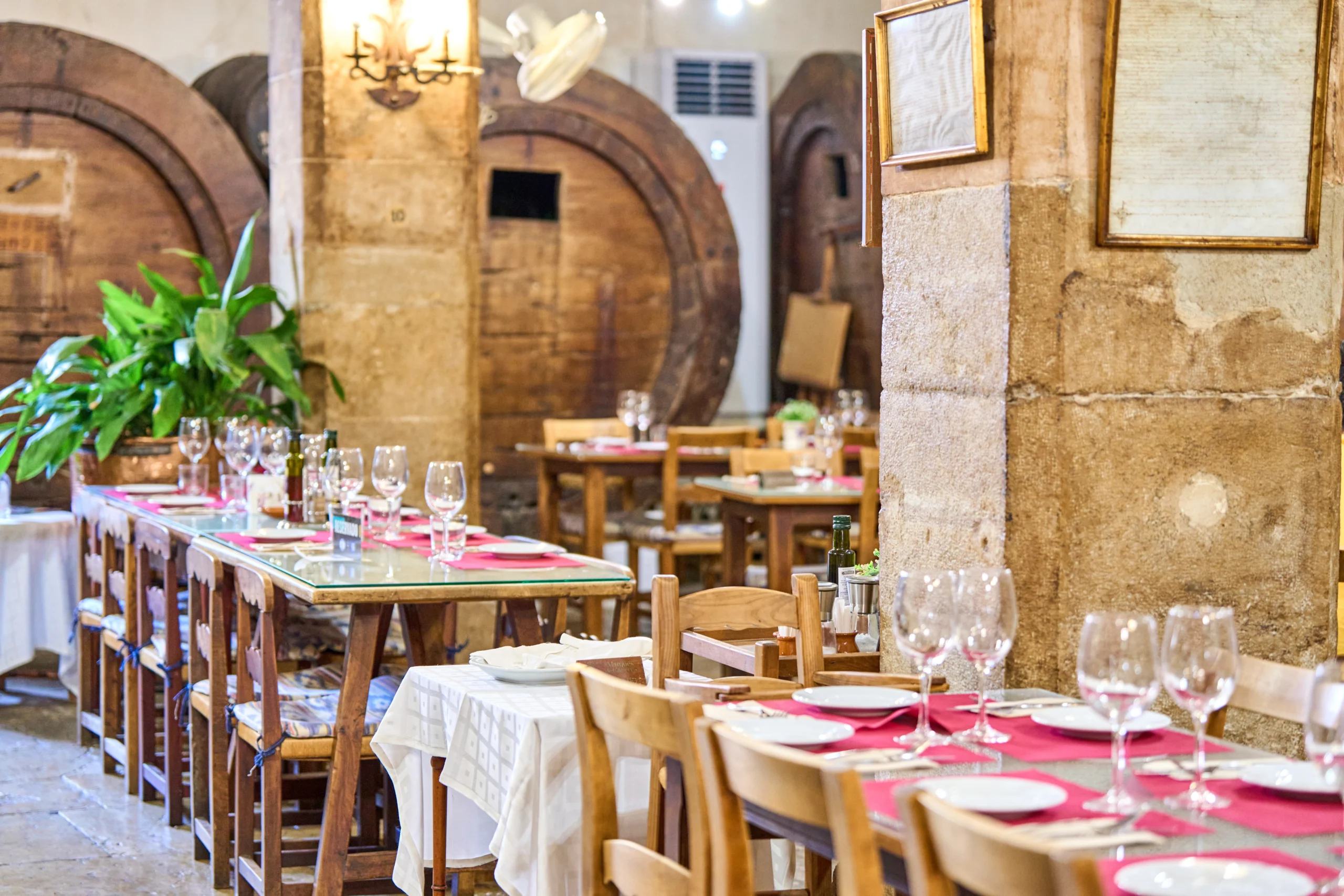
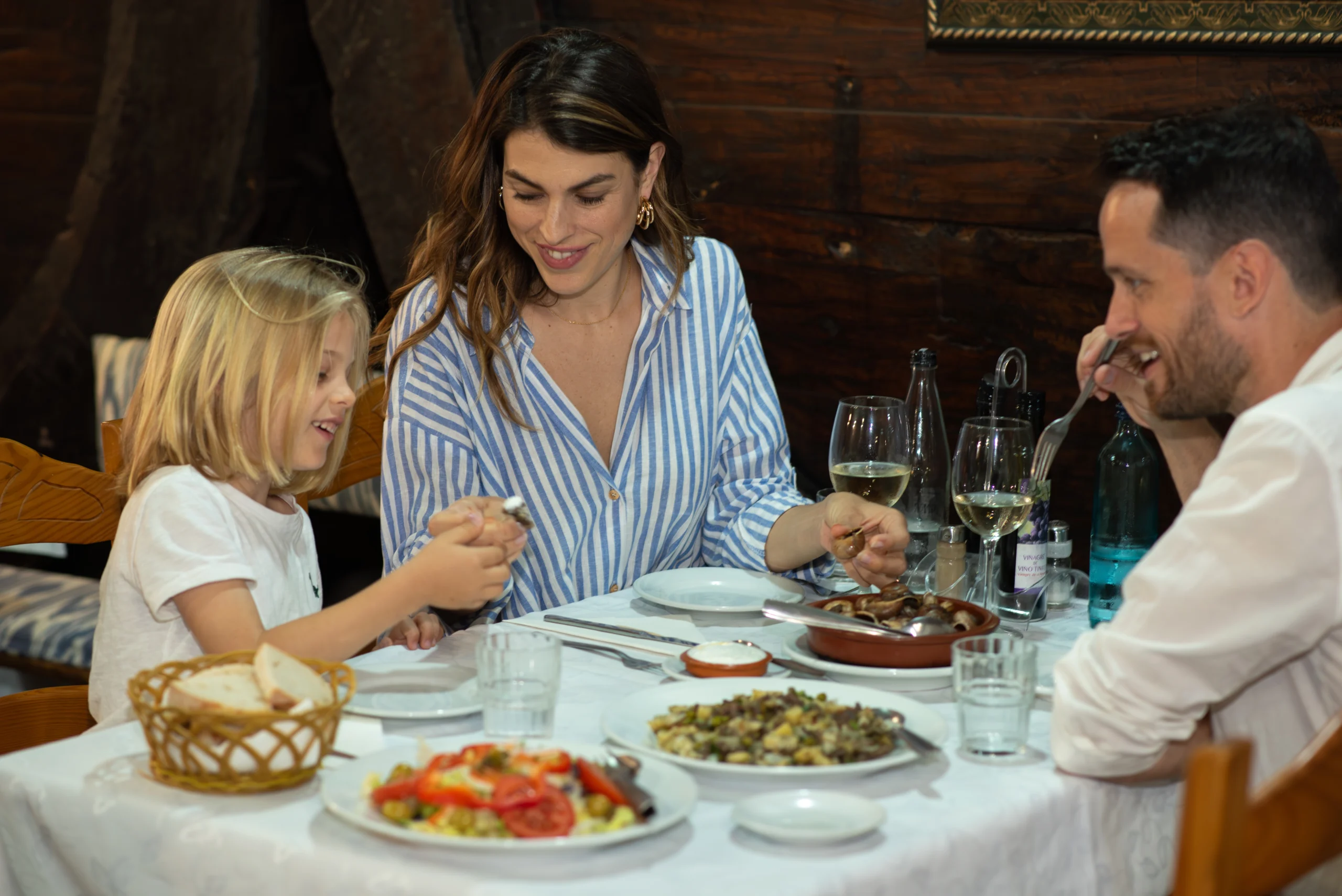
The cellers, authentic temples of local flavor, house the gastronomy that best represents the culinary identity of Inca.
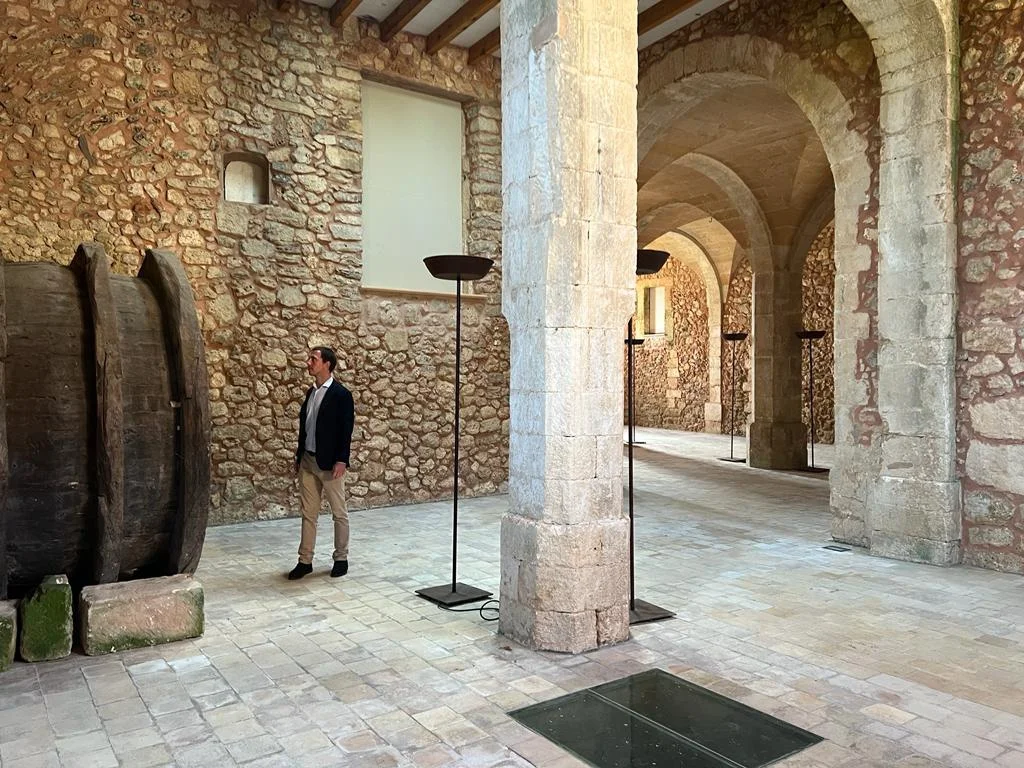
Absolutely. To talk about dining in Inca is, by necessity, to pay homage to its historic cellers: old wine cellars with high ceilings, exposed wooden beams, and colossal oak wine casks that, over the centuries, were transformed into majestic sanctuaries of traditional Mallorcan cuisine.
Stepping into a cellar in Inca is like taking a trip back in time, where the aroma of firewood, slow-cooked sofritos, and clay pots immediately envelops the diner.
The experience goes far beyond sitting down to eat; it is a true ritual of hospitality where ancestral recipes are served with mastery, such as the Mallorcan frit—which reaches its absolute peak of excellence in Inca—seasonal Mallorcan sopes, tender suckling pig (porcella) roasted in a wood-fired oven, escaldums, or the iconic tumbet.
This culinary treasure is further enriched by local pastries, led by the exclusive quelitas (Inca biscuits) and traditional quartos embetumats.
But what truly makes our gastronomy unique today is its ability to balance this immense legacy with the avant-garde, fusing zero-kilometer produce—acquired every morning at the city’s market—with contemporary techniques.
The result is a dining experience that invites you to share a table without haste, to uncork a good wine from the Raiguer region, and to savor the most genuine Mallorca through the palate.
Liquid Gold and Centuries-Old Vineyards:
The Olive and Wine Routes under the Watchful Eye of the Tramuntana
That is right. Inca’s rebirth as a premium destination is deeply rooted in its countryside, where the land yields some of the most prestigious products in the Balearic Islands.
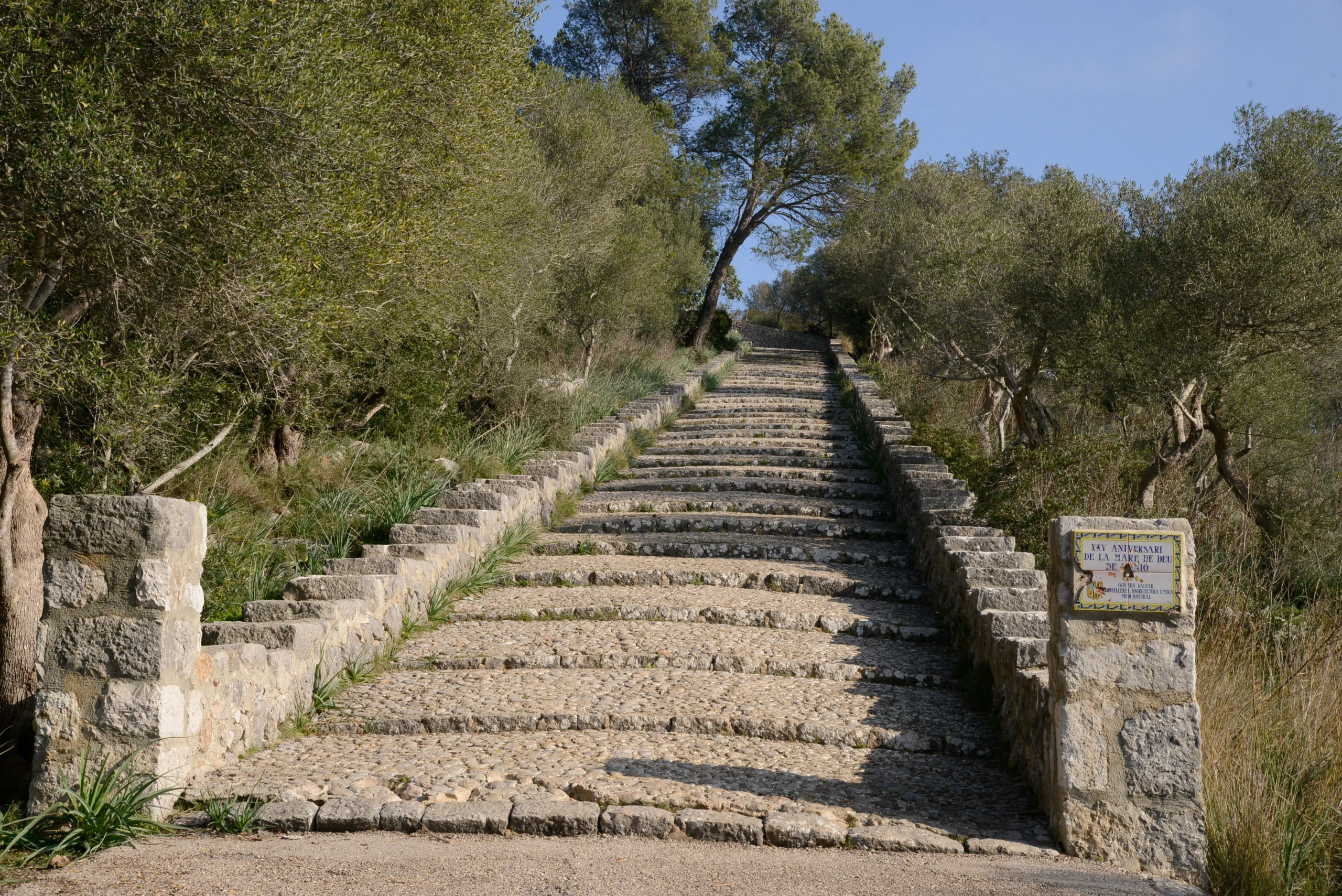
Through the Olive and Wine Routes, visitors can immerse themselves in a landscape defined by ancient olive groves and sweeping vineyards, all set against the majestic silhouette of the Serra de Tramuntana.
Inca has successfully revived its winemaking legacy by blending artisanal heritage with ecological innovation.
The ultimate expression of this authentic wine tourism is the historic Finca Son Bordils, which dates back to the 15th century. Perched atop a hill in the heart of the Mallorcan plain, this winery invites guests to tour its vineyards and savor wines crafted from native grape varieties.
This sensory journey is completed by discovering the region’s extra virgin olive oil—a deeply flavorful product that has earned international acclaim.
Designed to be savored at a leisurely pace, these routes represent the perfect symbiosis of environmental respect, family heritage, and experiential tourism. They invite travelers to bottle the essence of the landscape and truly understand the pride of a land that creates with its soul.
Mayor, Inca’s central position on the map of Mallorca is the driving force behind its dynamism. This year 2026, coinciding with the 150th anniversary of the arrival of the train, it is inevitable to look back to understand the present.
How did the railroad forge the identity of today’s Inca?
Understanding what we were is the only way to build what we want to be with a firm step.
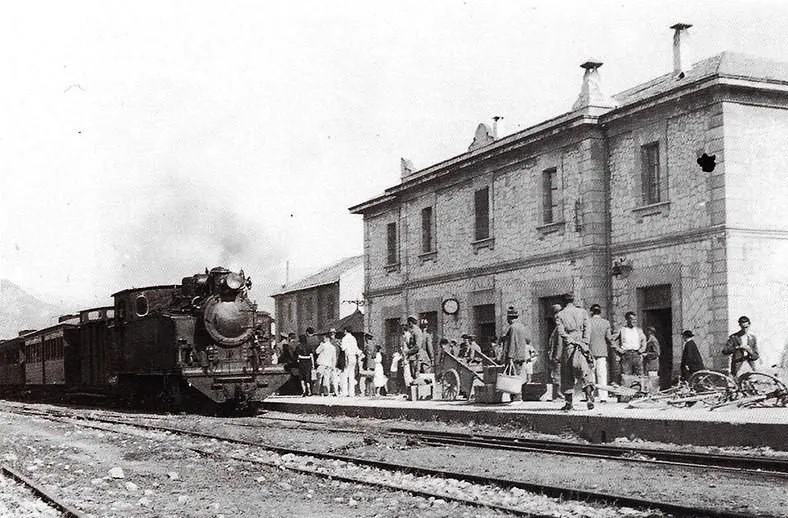
To value our present, we must remember February 24, 1875.
That day was a turning point when the first train arrived in Inca from Palma, inaugurating the first railway route in the history of Mallorca.
That convoy unleashed an unprecedented economic, social, and cultural revolution.
By connecting people and goods quickly and safely, it sparked a massive industrial transformation: leather and footwear factories were strategically built alongside the tracks to export directly to the port of Palma via the historic underground tunnel.
Inca became, practically overnight, the nerve center where production, commerce, and the avant-garde converged.
That dynamism forged our hardworking character.
For this reason, this 150th anniversary is a golden opportunity to reinforce the pride of belonging.
Precisely, we organize special guided tours to show citizens this rich, latent industrial heritage.
Our greatest achievement is to get local people to rediscover their city; it is essential that each Inca citizen knows their history to become the first supporter and ambassador of Inca.
It is from these deep roots that our great business, social, and political figures have emerged, arise, and will continue to grow.
That heritage as a central node has today translated into a true contemporary transport hub.
How does this connectivity and new mobility influence the visitor experience and the day-to-day life of the municipality?
Mobility plays an increasingly important role in a densely populated Mallorca.
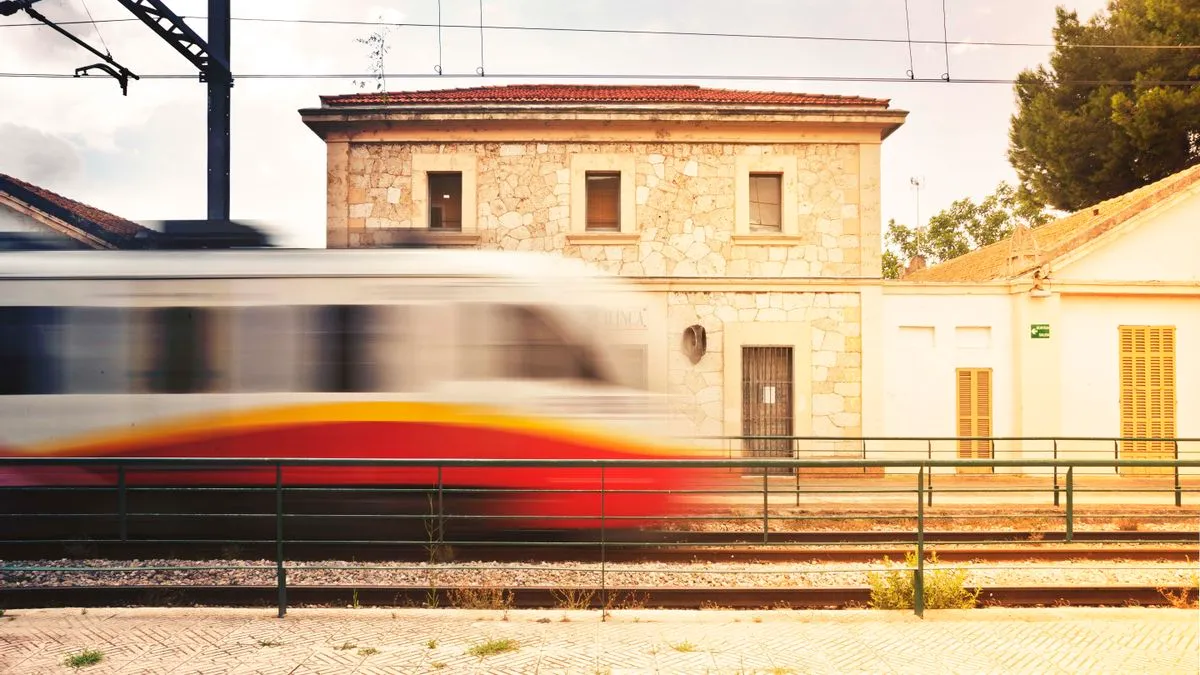
Today, we have established ourselves as the great hub for public transport connections in the interior of the island, thanks to a fully electrified train that is registering the highest demand in its history.
We are a land of natural confluence: thousands of people discover us daily through this network. The best strategic example of this was the launch of the direct bus to the airport.
When the service was being planned, we stood firm with the authorities, insisting that the route must pass through Inca both ways.
We succeeded in securing a direct route that drops travelers off at the airport in just 35 minutes.
It is a vital connection that provides a logistical service to the more than 4,000 accommodation places distributed throughout our region.
From the visitor’s perspective, this connection is a luxury.
In just over half an hour, you land, arrive at the Inca intermodal station, and from there, you can comfortably travel to first-class agritourism properties and countryside estates around Puig de Santa Magdalena.
Ultimately, it is a smart connectivity strategy that benefits the entire area: it boosts local commerce, facilitates the day-to-day life of citizens, and opens the doors wide to high-quality tourism.
Of course, mobility is a key pillar. From this central position that Inca occupies, how is the daily flow managed to move towards a more livable municipal model?
For us, sustainable mobility is at the heart of our «City 10» model. We want an Inca where people, and not cars, are the true protagonists; that is why we are promoting a courageous transformation of our urban layout.
This involves calming road traffic, decisively expanding pedestrian areas, and reforming numerous streets through a single-level pavement system to eliminate architectural barriers.
The idea is to create large boulevards that directly connect peripheral neighborhoods with the heart of the city, making it easier to walk to any point comfortably and safely.
We know perfectly well that this change in mentality requires viable and convenient alternatives.
For this reason, we are promoting the use of bicycles through key projects, such as the new bike lane on the old Palma road, and reinforcing the network of peripheral park-and-ride facilities.
This allows visitors to park with complete ease at the entrance and enjoy the city on foot.
In addition, the City Council itself leads by example by electrifying the municipal fleet and installing our own public network with more than 50 fast and semi-fast charging points.
In short, we take advantage of our geographical centrality to turn Inca into a benchmark for pedestrian-friendly mobility, where island-wide connectivity and the quality of life of our neighbors coexist in perfect balance.
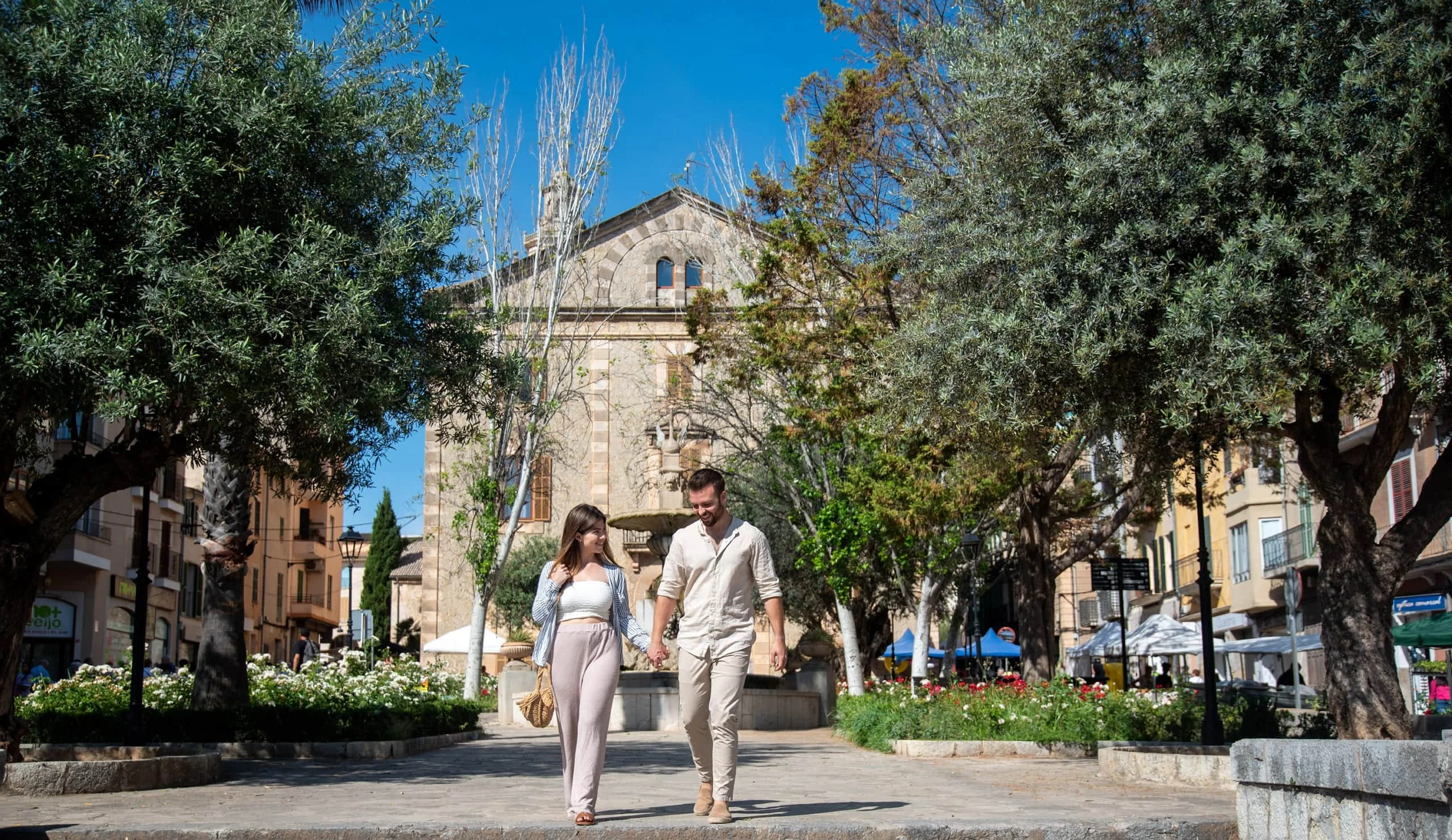
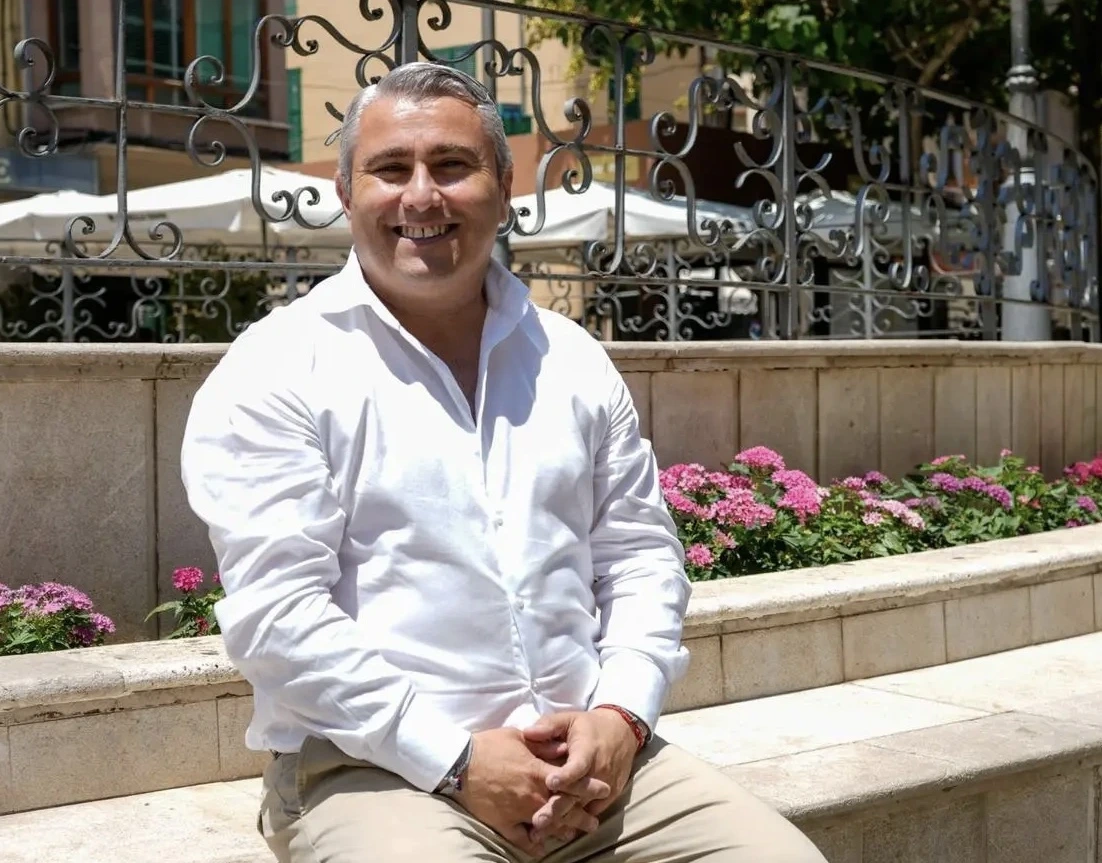
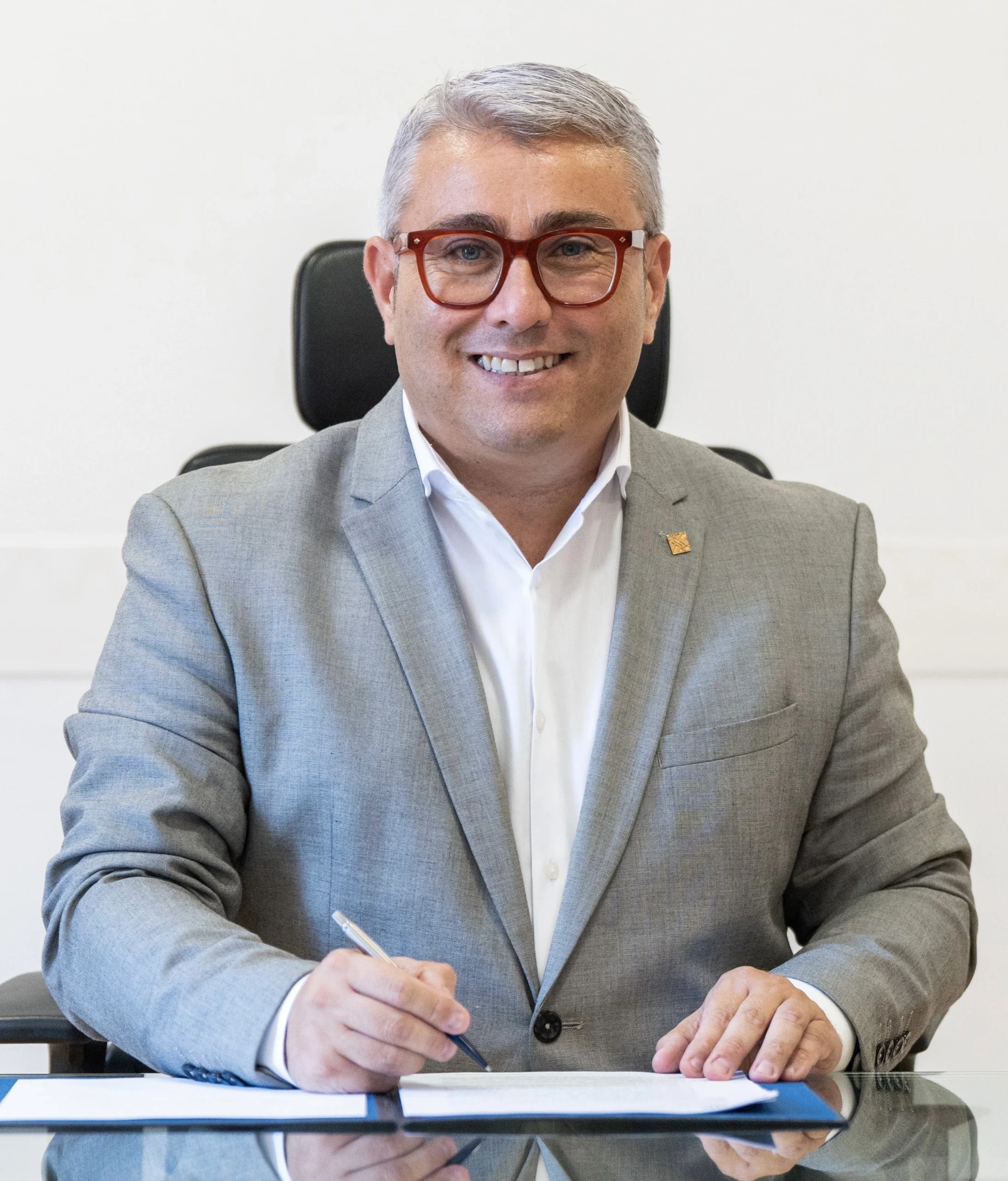
Virgilio Moreno, Mayor of Inca, radiating the very same vitality of a city experiencing a cultural boom, economic dynamism, and social harmony.
Mayor, beyond the traditional holiday visitor, Inca exerts an enormous influence as the capital of the region.
How does this institutional weight and service infrastructure influence the economy and your positioning strategy?
That is a defining factor. Officially, we have about 37,000 registered inhabitants, but the reality is that we plan and work with a volume of services scaled for nearly 50,000 people.
Inca is the administrative heart and the engine of the Raiguer: we host the headquarters of the main public administrations, the courts, the Regional Hospital, and the Sant Joan de Déu health center, as well as an extensive educational network with two institutes and twelve schools.
We offer high-quality service coverage that extends far beyond the strictly municipal level.
All of that commuting regional population coming to our city every day represents an extraordinary economic opportunity for our open commercial network.
By channeling this daily flow toward the town center, we encourage them to shop, stay, and discover Inca’s local products.
This has been strongly felt for years, especially in the restaurant sector.
I have always believed that when a city’s gastronomy and local businesses are thriving, vibrant, and full, it is an unmistakable sign that the general economy is doing well.
Based on these positive signs, we are adapting dynamically to different markets, paying special attention to domestic tourism, which is our primary source in this inland segment.
We are moving forward step by step, with a firm stride, and without obsessing over mass statistics.It is a strategy that delivers real results because we experience it firsthand—working on the street, speaking face-to-face with our merchants, and evaluating together what works and what we can continue to improve for the benefit of everyone.
Mayor, there is another pillar that is completely redefining Inca’s contemporary identity and its external projection: culture.
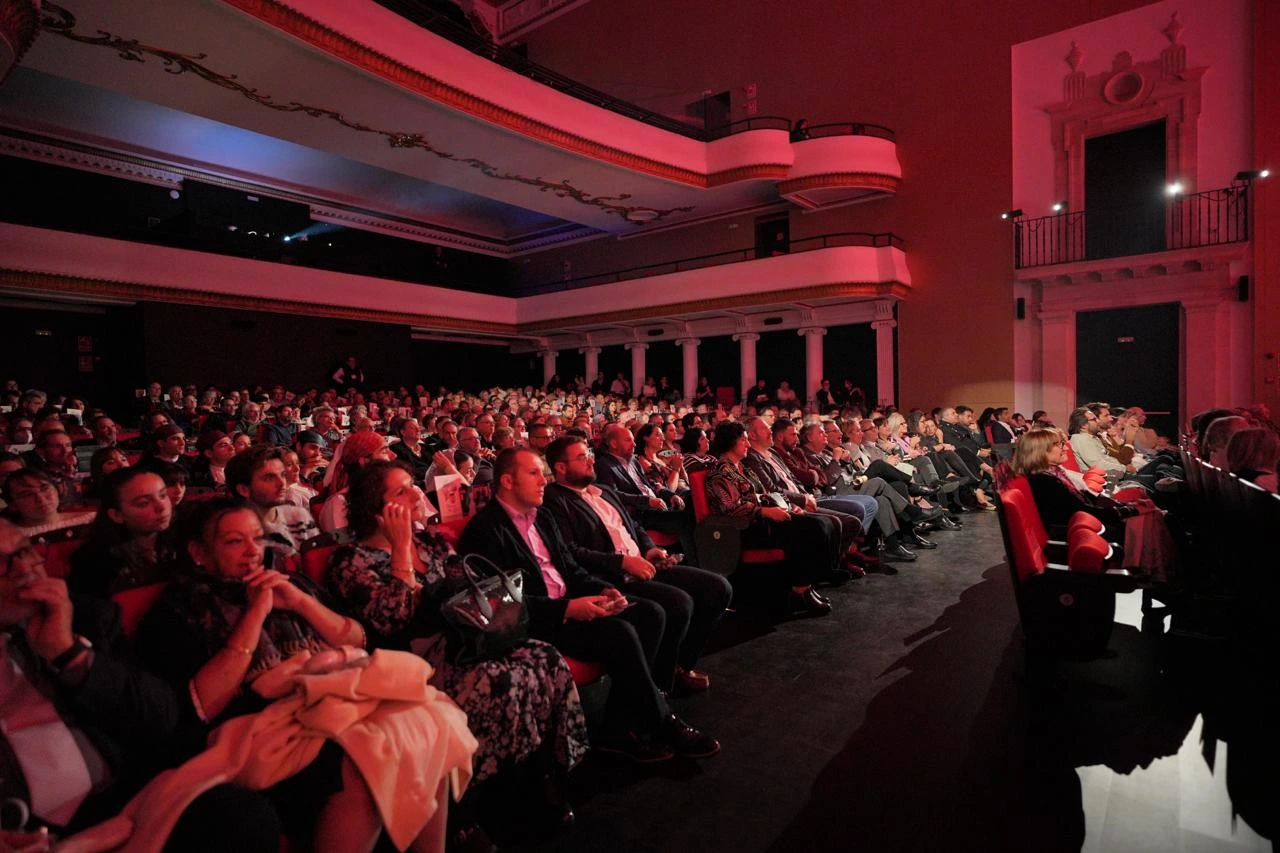
Historically, the city was not associated with large artistic circuits, but today it has a first-class agenda at the Teatro Principal.
How has this milestone been achieved?
We understand culture as a driving force for social, economic, and tourist revitalization.
A decade ago, it was unthinkable to bring great shows to Inca; today, it is a consolidated reality because we have worked along a very firm strategic line.
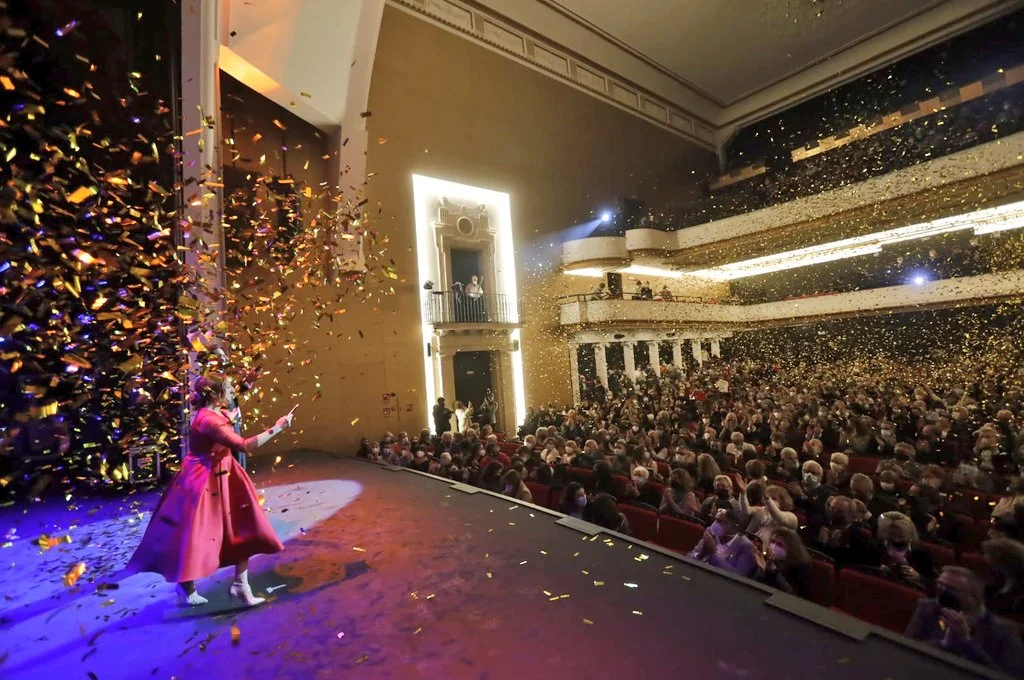
The great emblem of this cultural revolution has been, without a doubt, the recovery of our Teatro Principal.
For me, and for any person from Inca, talking about this space strikes a very sensitive chord.
For twenty long years, this majestic building remained closed, plunged into a deafening silence that weighed on the soul of the city.
Seeing its doors closed reflected an era that we wanted to leave behind.
For this reason, taking on the challenge of completely rehabilitating it was not just a feat of engineering or budgeting; it was an act of poetic justice for our own history.
I will never forget reopening day: seeing the facade lit up again, hearing the murmur of the audience filling the lobby, and, above all, that magical moment when the house lights go out, the curtain rises, and the theater breathes again.
Today, with its large 600-seat auditorium and its intimate 154-seat space, it has become an absolute catalyst that exceeds all expectations.
We hung the «sold out» sign for Martirio’s performance, and seeing the stalls vibrate like that makes public management entirely worthwhile.
The biggest names on the national and international scene are passing through our stages: from the theatrical genius of Els Joglars and the mastery of Rafael Álvarez «El Brujo», to memorable voices of our music such as Ismael Serrano, Diana Navarro, and Pasión Vega.
And the momentum is not stopping; in the coming months, we will host the prestigious play Poncia, starring Lolita Flores, as well as an appearance by María Serrat, adding a prestige that puts Inca on the cultural frontline.
All this effervescence gives us a first-rate national and international projection, but we manage it under a non-negotiable premise: to grow without saturating. We want a powerful but controlled agenda.
Ultimately, we approach all of this cross-functionally, linking the promotion of the city directly to consumer spending in local shops, restaurants, and services.
It is a global vision of what we can offer to those who come to Mallorca.
Inca is, today, the best example of how an inland destination can successfully diversify.
And the cultural heritage of Inca goes beyond traditional stages; it is lived in the streets and in the majesty of its historic temples through well-established events such as the International Festival of Baroque Music (FIMB).
Here, period music connects with these monuments through a perfect symbiosis of architectural beauty and acoustic purity.
With its 5th Edition this year 2026, this fully established cycle combines world-class technical concerts with informative lectures tailored for all audiences. In just a few editions, we have become the great capital of Baroque music in the Balearic Islands.
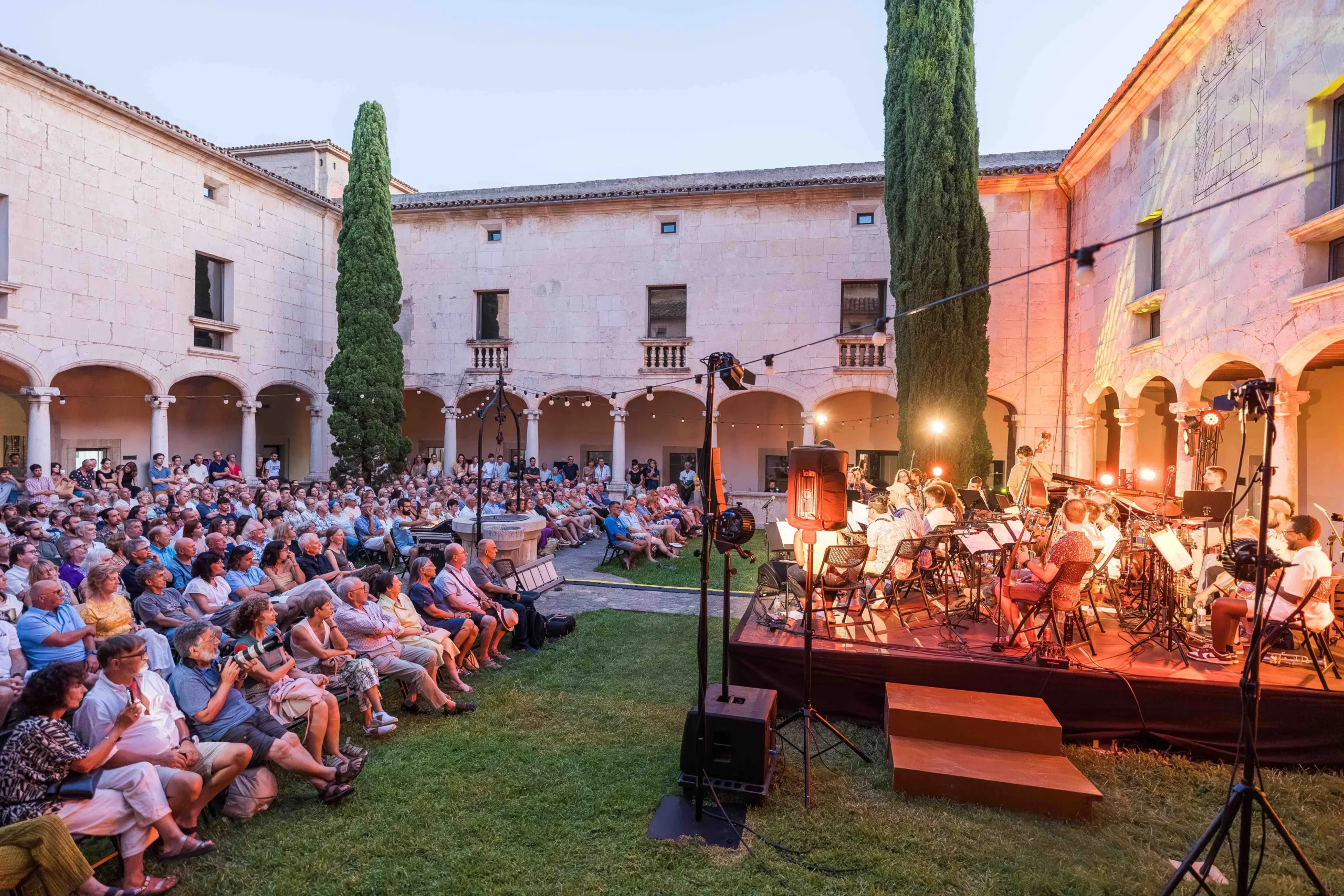
The FIMB, which has recently dazzled audiences with a high-caliber international program dedicated to the immense figure of Johann Sebastian Bach, is not designed for conventional concert halls; it was created to bring life and acoustic splendor back to Inca’s most beautiful historic sites.
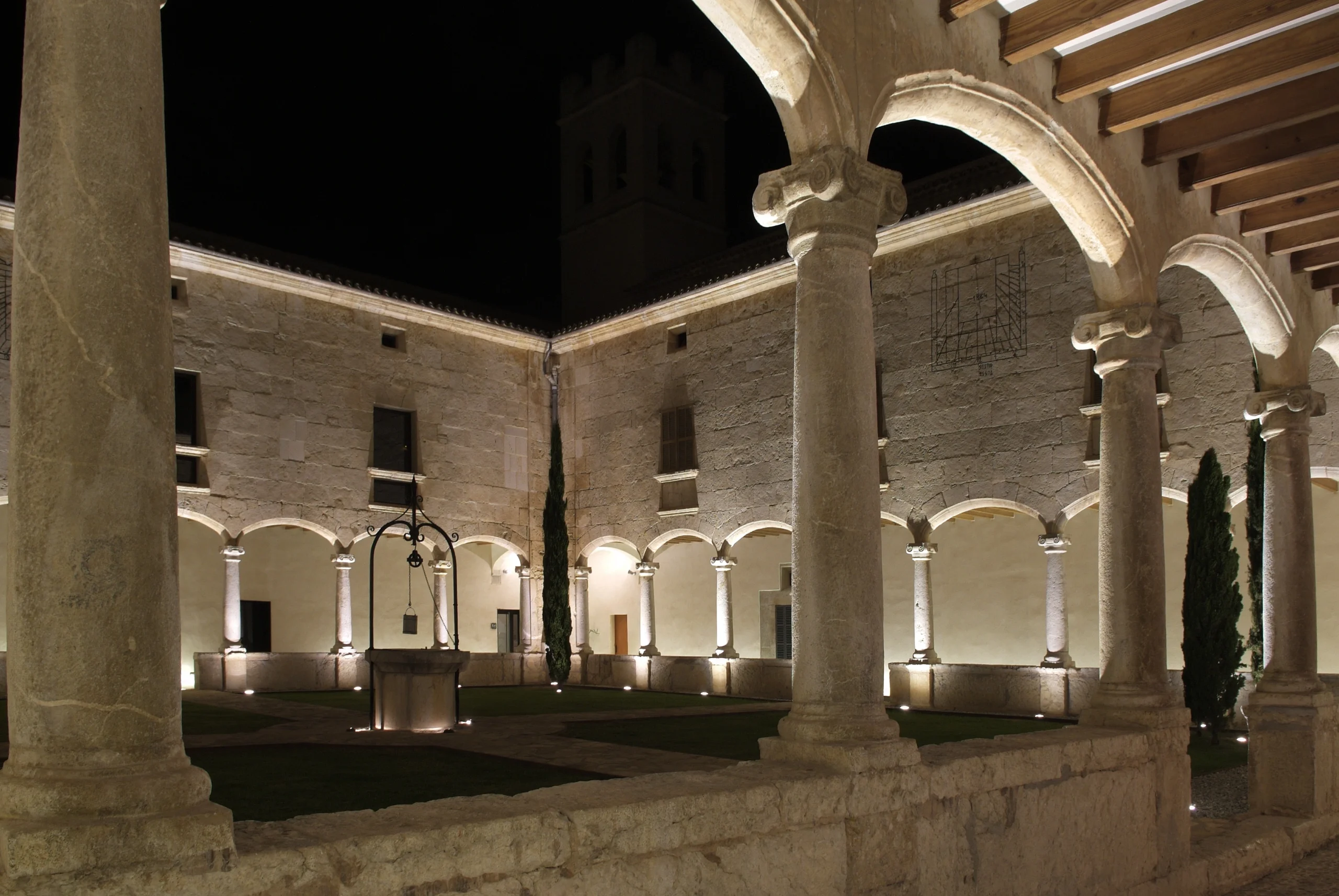
For me, one of the most magical moments is seeing the majestic Cloister of Santo Domingo transformed.
This former 18th-century Dominican convent, a sandstone jewel declared an Asset of Cultural Interest, features an arcaded design that embraces sound in an overwhelming way.
Opening the festival there while listening to the chords of a chamber organ is an experience that gives you goosebumps.
This sensory journey continues in superb temples such as the Church of Santa Maria la Major, whose imposing vaulted architecture not only guards unique artistic treasures but also offers the ideal reverberation for sacred compositions.
Filling our monuments with Baroque chords proves that Inca’s heritage is alive and vibrant, attracting a visitor profile that truly values excellence and authenticity.
Added to this tour is the stately sobriety of the Church of Sant Francesc—whose 14th-century Gothic origins, renovated in the 18th century, perfectly embody the essence of the island’s interior—as well as the spiritual intimacy of Sa Capella at the Fundació Es Convent.
Bringing in international virtuosos of the stature of organist Johannes Skudlik to perform the complex Goldberg Variations in our revived Teatro Principal, or filling our convents with Baroque chords, proves that Inca’s heritage is not a thing of the past to be contemplated from a distance.
It is a living, sonorous, and vibrant legacy that exalts our roots and projects us into the future.
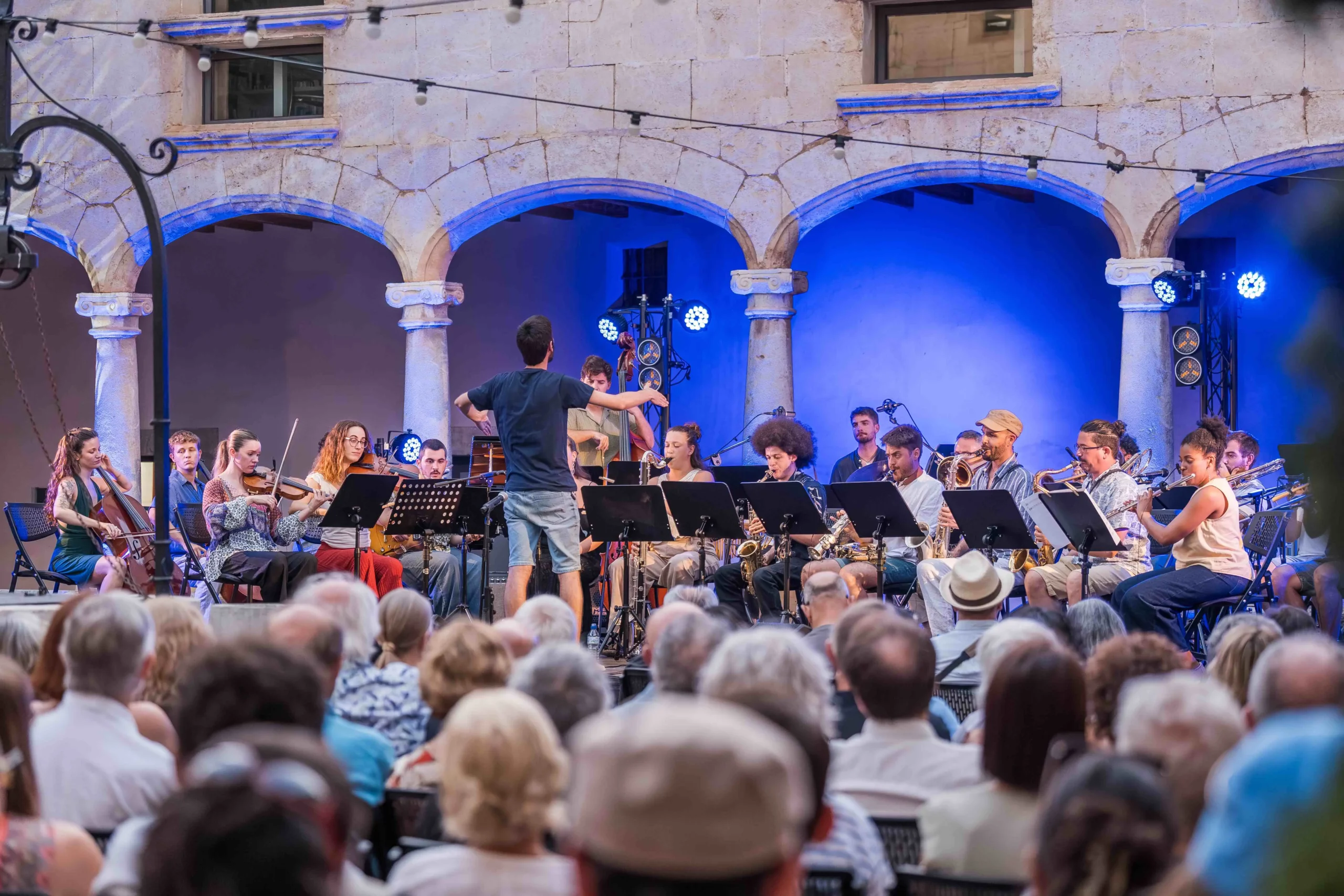
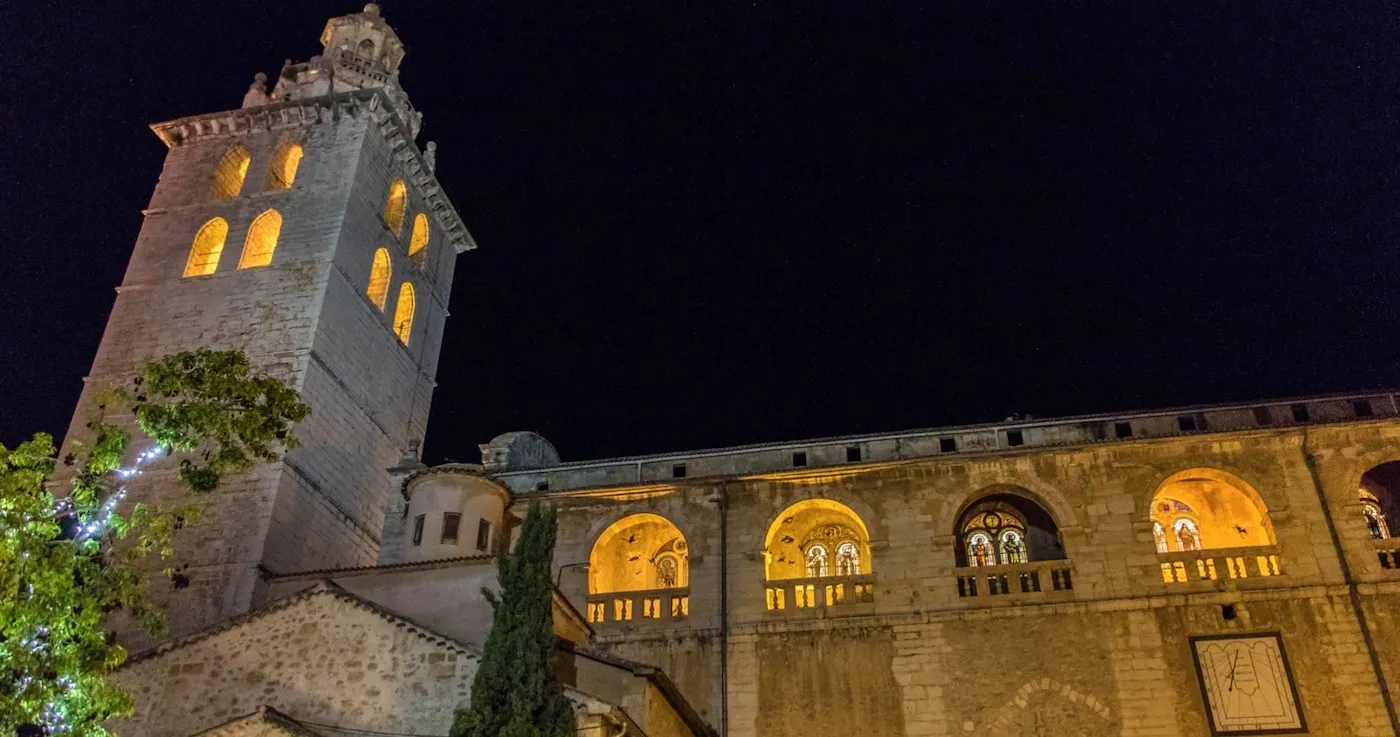
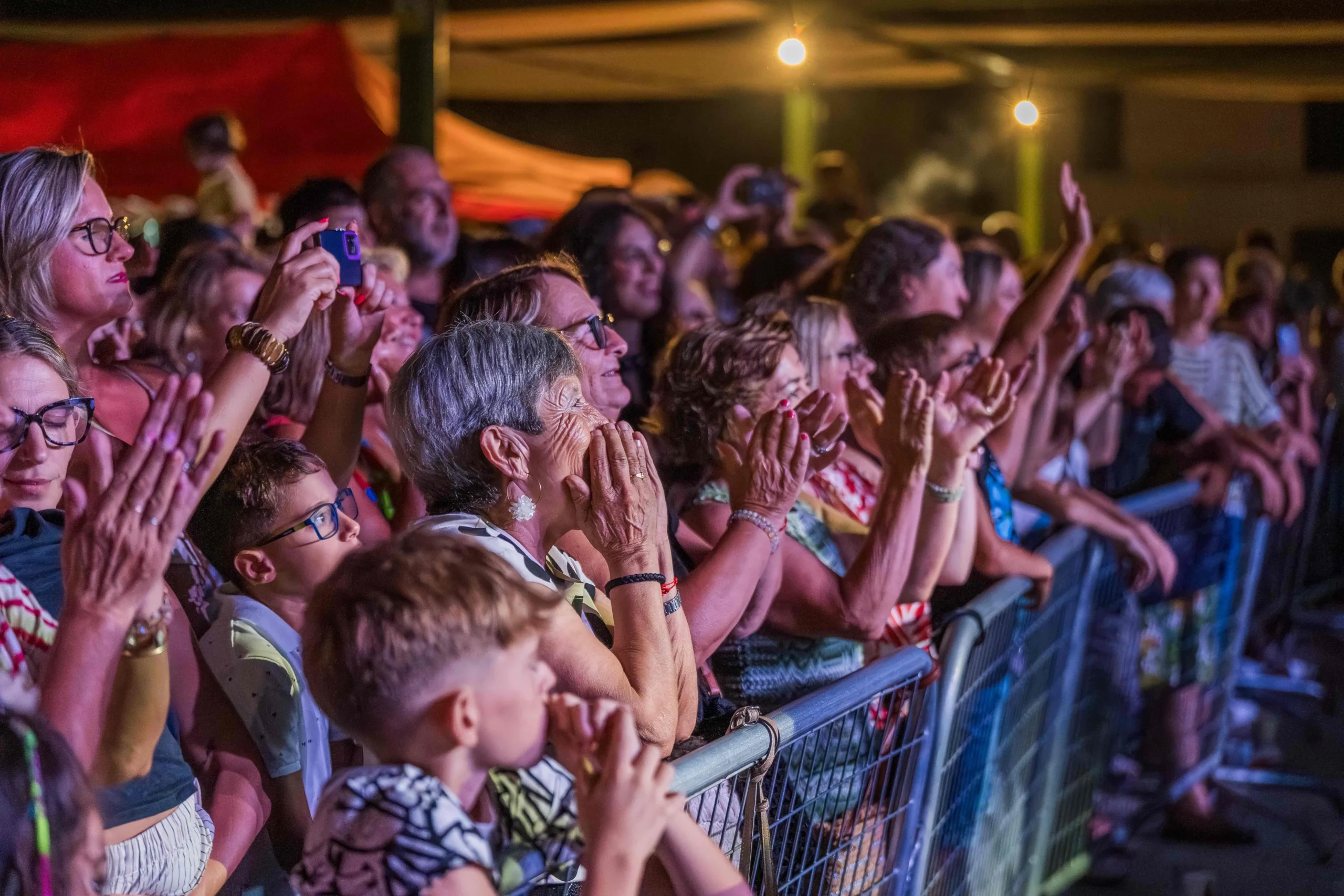
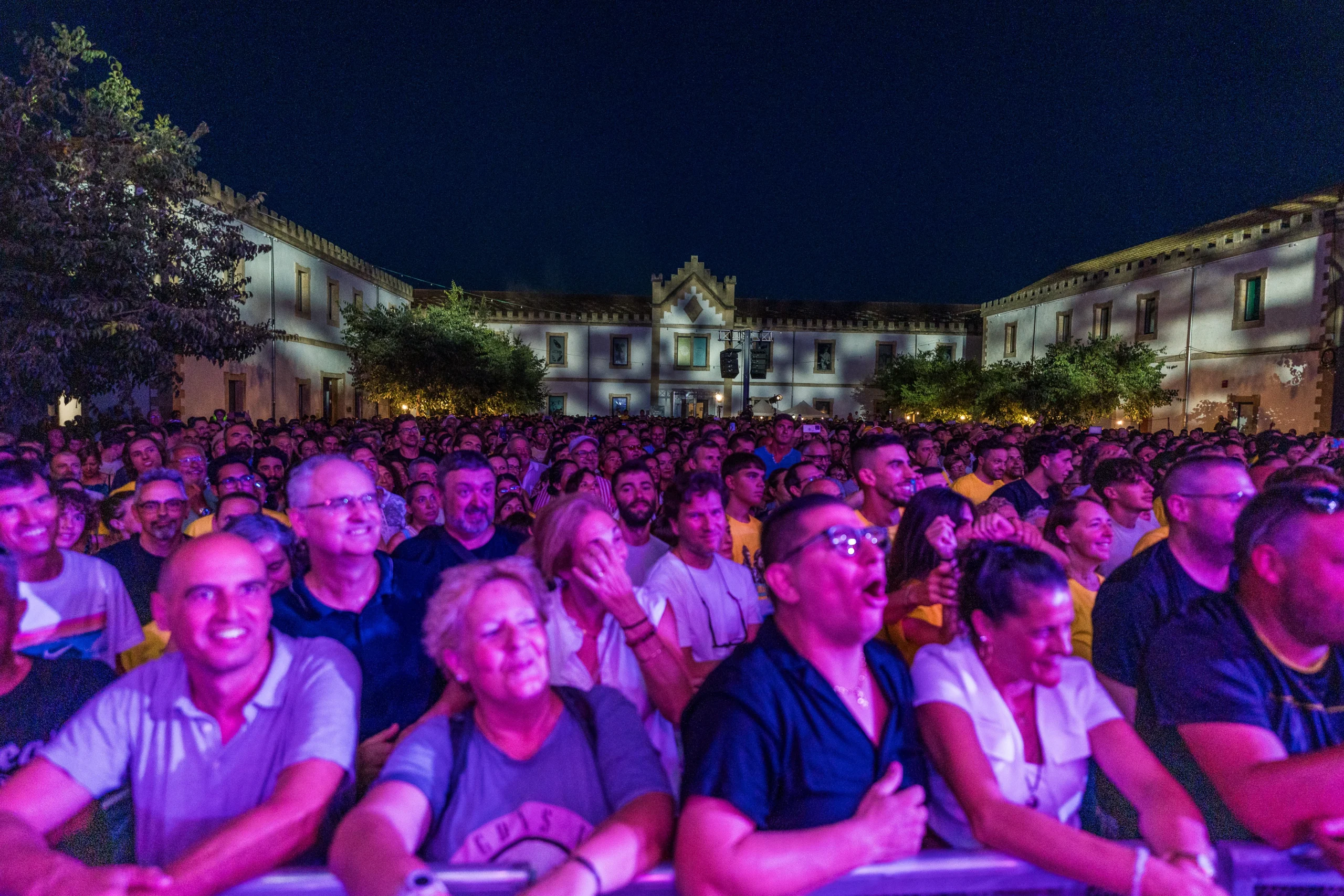
Inca has become an undisputed benchmark for leisure, vitality, and cultural revitalization in the heart of Mallorca, thanks to an ambitious calendar of major musical events that beats strongly all year round.
Far from being limited to a single season, Inca deploys a strategic program where live music acts as a catalyst for community life, local pride, and international tourism projection.
From pop, rock, and urban music festivals that draw thousands of people from across the Balearic Islands, to specialized cycles and intimate acoustic concerts, Inca successfully transforms its public spaces into massive amplifiers of emotion.
This creates a vibrant Inquero atmosphere, fueled by the energy of a passionate audience of all ages and the magic of blending top-tier musical performances with the city’s stunning historical heritage.
Live music in Inca unites different generations in magical nights filled with emotion, rhythm, and shared culture.
With the celebration of the Inca Street Art festival, the asphalt and concrete of the capital of Raiguer are transformed into a living canvas.
Through this ambitious and wonderful initiative, the Ajuntament d’Inca has consolidated an urban transformation project that democratizes access to culture, taking art out of conventional galleries to integrate it into the daily pulse of its streets.
Renowned local, national, and international muralists strategically intervene on large facades, blank walls, and public venues across the city.
The result is a dazzling alternative visual route that surprises passersby with large-scale works, figurative graffiti, and bold expressions of urban culture.
These monumental pieces not only fill every corner of the city with color and aesthetic dynamism but also establish a direct dialogue with citizens and visitors.
They narrate collective stories that raise awareness, pay tribute to the traditions of Inca and Mallorca, and project us as one of the most avant-garde, modern, and culturally restless cities in the Balearic Islands.
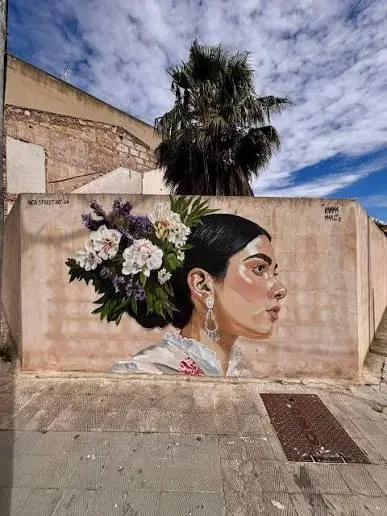
Inca Street Art transforms the city’s walls into a vibrant open-air museum, connecting contemporary urban culture with the daily pulse of the city
Mayor, along this line of modernization and accessibility, you have also developed an innovative project of Video Routes to discover the municipality.
What exactly do they consist of, and what value do they add to the experience of those who visit Inca?
The video routes are an initiative that we are especially excited about because it places Inca at the forefront of smart tourism.
These video routes are dynamic and interactive audiovisual guides that visitors can access directly and free of charge through the official Inca Turística website.
We design different themed routes that we constantly update throughout the year to adapt to the seasons and the changing heartbeat of the city.
In practice, this means that anyone—by scanning a QR code at a key point in the town center or browsing comfortably from their accommodation—can take an evocative visual journey simultaneously with their walk.
It is an extremely accessible, inclusive, and attractive tool that does not replace the physical visit but enriches it in an extraordinary way, providing context, anecdotes, and a living story of who we are.
In short, it is technology put at the service of our identity.
Plan your trip to Inca with the innovative Inca Turística Video Routes discovering the best secrets of Inca’s local gastronomy, commerce, and heritage
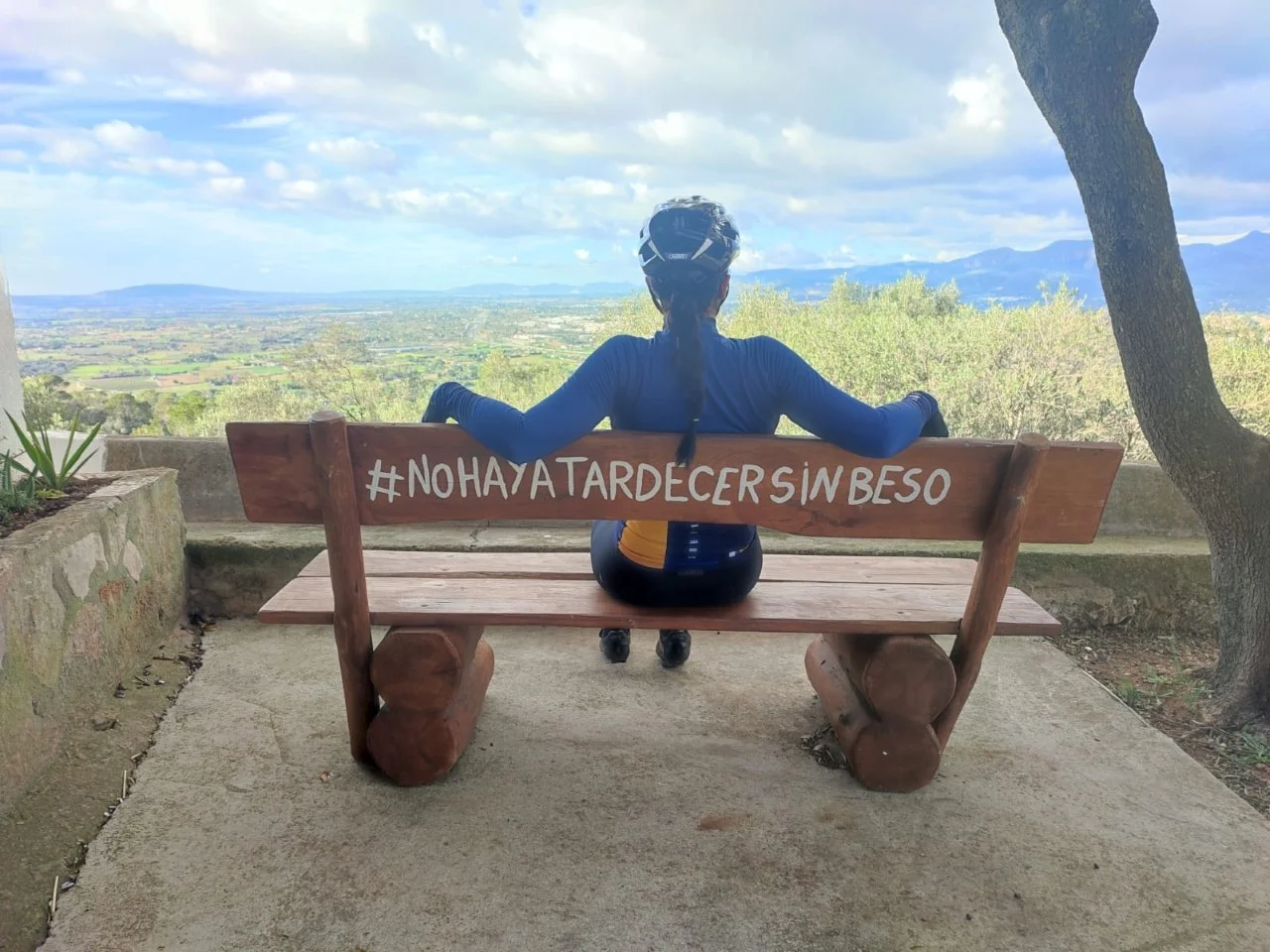
The Inca Video Routes are a magnificent initiative, especially to promote sustainable tourism segments where Inca offers an unrivaled competitive advantage due to its geography, as is the case with cycle tourism.
That is right. Through our official Inca Turística platform, we have launched a strong commitment under the slogan «Inca, Cycling City».
Mallorca is an international paradise for two wheels, but the center of Mallorca has a logistical advantage that the coast simply cannot replicate: the ability to design perfect circular routes.
Inca is the natural epicenter of that map.
From here, a cyclist can plan each day as a completely different stage, setting off in the morning and returning to the exact same point without ever having to repeat roads.
To consolidate this advantage, we have designed 10 exclusive circular routes, available on our website and through the Inca Turística audiovisual platforms.
It is an extremely versatile proposal: it ranges from approachable 30-kilometer routes ideal for families, to highly demanding stages for experienced cyclists that reach 132 kilometers in distance with 2,000 meters of accumulated positive elevation gain, challenging the foothills of the Serra de Tramuntana.
However, this project is not just about drawing lines on a map; it is about providing an urban infrastructure that embraces the athlete.
Those who come to Inca will find specialized workshops, physiotherapy services, restaurants focused on healthy nutrition, and agritourism accommodations adapted for the safe storage and care of bicycles.
We want cyclists to find every facility they need here to progress in their sport.
We are, in our own right, the heart that pumps cycle tourism across Mallorca.
Mayor, let’s address a cross-cutting axis that defines the maturity of any administration and is key to the future of the island: Sustainability.
How does this concept translate into the daily management of the Inca City Council?
For us, sustainability is the backbone of all our public policies.
Our priority has been the direct, municipal management of water resources.
We have made a historic investment across the entire water cycle: comprehensive renovation of pipes, optimization of wells, and the large-scale digitalization of meters for our more than 14,000 users.
Today, the network is fully monitored and sectorized to detect leaks in real time, guaranteeing maximum efficiency from the aquifer straight to the home.
This qualitative leap is replicated in energy matters. In collaboration with the Balearic Institute of Energy, we are promoting innovative energy communities, such as the Plaza del Mediterráneo project, where we will install photovoltaic pergolas to generate clean, low-cost energy for local residents.
In addition, we have channeled European Next Generation funds to bring energy self-sufficiency to large facilities like the Palau Municipal d’Esports and the municipal works department warehouse.
On a day-to-day basis, we lead by example: we are eliminating paper through internal administrative digitalization and converting the municipal fleet to electric models—including the street cleaning service, where 99% of vehicles are already zero-emission.
In the field of urban mobility, Inca is about to mark a milestone in the Balearic Islands with its commitment to electric vehicles and a new waste management system.
What new features will citizens and visitors experience?
We like to anticipate real demands.
This year, we will become the first city in Mallorca to have its own public charging network for electric vehicles, putting into operation more than 50 strategically distributed fast, semi-fast, and slow charging points.
It is an infrastructure designed to break down barriers: it offers solutions to residents living in apartment buildings without private garages, while simultaneously acting as an extraordinary economic catalyst that integrates clean mobility with the activity of our town center.
We apply this same philosophy of efficiency to street cleaning—an area that requires shared civic responsibility.
With the implementation of the new selective waste collection system and the progressive elimination of traditional dumpsters in key areas, we are already approaching a 50% recycling rate of the total waste generated.
Ultimately, true sustainability is proven through these ratios and through awareness at street level.
Under this same premise of rigor, we demonstrate that Inca is a land of certainty, stability, and opportunity.
For investors, we offer an invaluable intangible asset in public administration: legal certainty.
Those who risk their capital look for stability and guarantees, and we work with a firm commitment to be facilitators of wealth-generating projects, backed by a rapidly expanding economic environment.
Proof of this is the development of our third industrial estate, which will establish itself as one of the largest business and logistics spaces on the entire island.
At the same time, the social and healthcare sector is experiencing unprecedented growth, driven by the consolidation of our two hospitals.
We govern under a clear maxim: institutional and public-private collaboration must transcend political lines.
We dialogue, agree, and execute by thinking exclusively about the benefit of our community.
Inca is not only a great place to discover the most authentic side of Mallorca; it is an ideal ecosystem to invest, grow, and progress with the certainty that the best is yet to come.
Mr. Mayor, beyond the large infrastructures, I would like to focus on the human level.
What is your personal philosophy at the helm of the mayor’s office, and what drives you every day?
My philosophy can be summed up in a pure vocation for public service.
Those of us who take on this responsibility are here of our own free will to help, listen, and improve our neighborhoods alongside our residents.
For me, local politics is synonymous with closeness and real transparency; I cannot understand managing a city from behind a distant institutional desk.
I like to start the day in our long-standing neighborhood bars, sharing a coffee with people. That is where you truly feel the pulse of the city.
Residents speak to me with absolute honesty right there at the counter: «Virgilio, we need to fix the crack in that sidewalk,» or «We have to replace the lamppost in that square.»
Ultimately, beyond the major projects, it is those small, day-to-day things that make citizens feel the City Council belongs to everyone.
That is why it is essential to always look people straight in the eye and speak to them frankly—telling them clearly, «We can solve this right now,» or «Due to budgets or regulations, this one isn’t feasible.»
In a town as tight-knit as Inca, you run into your neighbors just around the corner, and I want to keep walking through our streets with my head held high.
Keeping that passion and drive alive is what moves me, always remembering a premise that defines our identity: in Inca, everything we build belongs to everyone and is for everyone.
Under that very philosophy, when we took over the mayor’s office a decade ago, our fundamental purpose was to leave behind a better city than the one we found.
I am fully aware that the best version of Inca will always be the one built by its own inhabitants over the coming decades.
We will complete our chapters and others will follow; my greatest wish is for those who take over to do even better, because a vibrant society can never stand still.
To achieve this, it is crucial to safeguard our culture of hard work—a direct inheritance from our industrial past.
We must never forget that we are the children of a land where factories beat like a powerful heart, and where thousands of people dedicated endless days to crafting a unique, artisanal product.
Today, we are deeply proud of those internationally acclaimed shoes that forged our name across the globe.
The ultimate goal of this entire decade of management has been to channel that historic resilience.
We want to consolidate a city that holds more weight, leadership, and centrality within Mallorca every single day, guaranteeing a prosperous municipality for generations to come.
Congratulations on all these advances, Mr. Mayor.
There is no doubt that Inca is an increasingly attractive, vibrant, and competitive city.
What final message would you like to convey to our 6.9 million readers around the world about what they will find when they discover the capital of the Raiguer?
What is the best version of Inca you can imagine?
Well… for me, being the mayor of a city like Inca requires a vocation that you either have or you don’t; there is simply no middle ground.
Personally, this responsibility brings the greatest of human rewards.
Being so close to the people, going out into the streets, listening to their real needs, and seeing how—thanks to our collective efforts—the city progresses and improves the lives of families is something deeply enriching.
It makes every bit of hard work and effort completely worthwhile.
To your readers, I would say that Inca is a city that does not impose itself; it offers itself. It is a city that invites discovery.
Those who choose to delve into it will find something that goes far beyond what they expect from traditional tourist guides.
Inca is an unpretentious but deeply authentic city, full of life all twelve months of the year, where visitors can naturally integrate into our way of life: sharing in our local commerce, savoring our heritage gastronomy in the historic cellars, vibrating with our traditions, and enjoying life’s beautiful moments at a leisurely pace.
We are an extraordinarily well-connected, open, and modern city that has successfully evolved into the future without losing a single iota of our essence or our identity.
We offer a radically different experience within Mallorca, and I think that is our main strength: Inca is a close, real, and deeply human city.
But above all, they will find a city hand-sculpted by its people—by a welcoming society that is extremely hardworking, proud of its glorious industrial history, and excited and committed to the future.
The best version of Inca is the one built every single day by its own citizens.
Our job as leaders is precisely to provide the tools for Inca to continue growing and evolving, opening up to the world while remaining true to itself.
To those who do not know us yet, I invite you to come and visit us.
Walk our streets without haste, experience our markets, and talk with our people.
Because Inca is not just a place to be visited; it is a place to be understood.
And once it is understood, it is remembered forever.
The Mayor
INCA City Council
Palma de Mallorca, July 5th. 2026
– By Patricia Pal
Balearic Islands, Sustainable Excellence
2026 Edition
NastaONE International Communication & Foreign Investment Trends

Balearic Islands, Sustainable Excellence
2026 Edition
NastaONE International Communication & Foreign Investment Trends
© All Rights Reserved