SPAIN & MEXICO: Strategic Partners Driving Business & Industrial Excellence towards Global Nearshoring
Forging new avenues of investment
Antonio Basagoiti
President of the Spanish Chamber of Commerce in Mexico (CAMESCOM)
Strengthening Trade and Business Relations between Spain, Mexico and the Americas
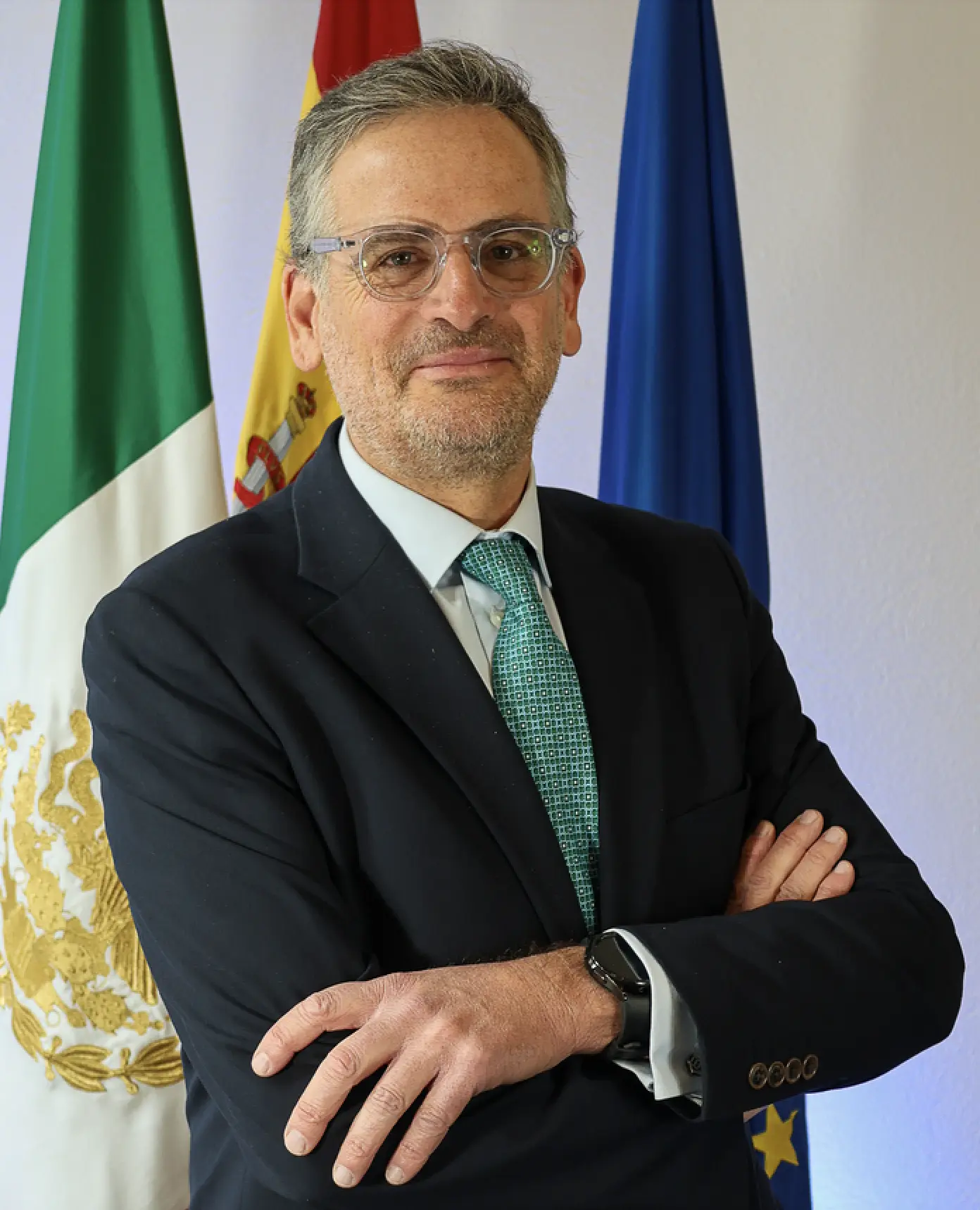
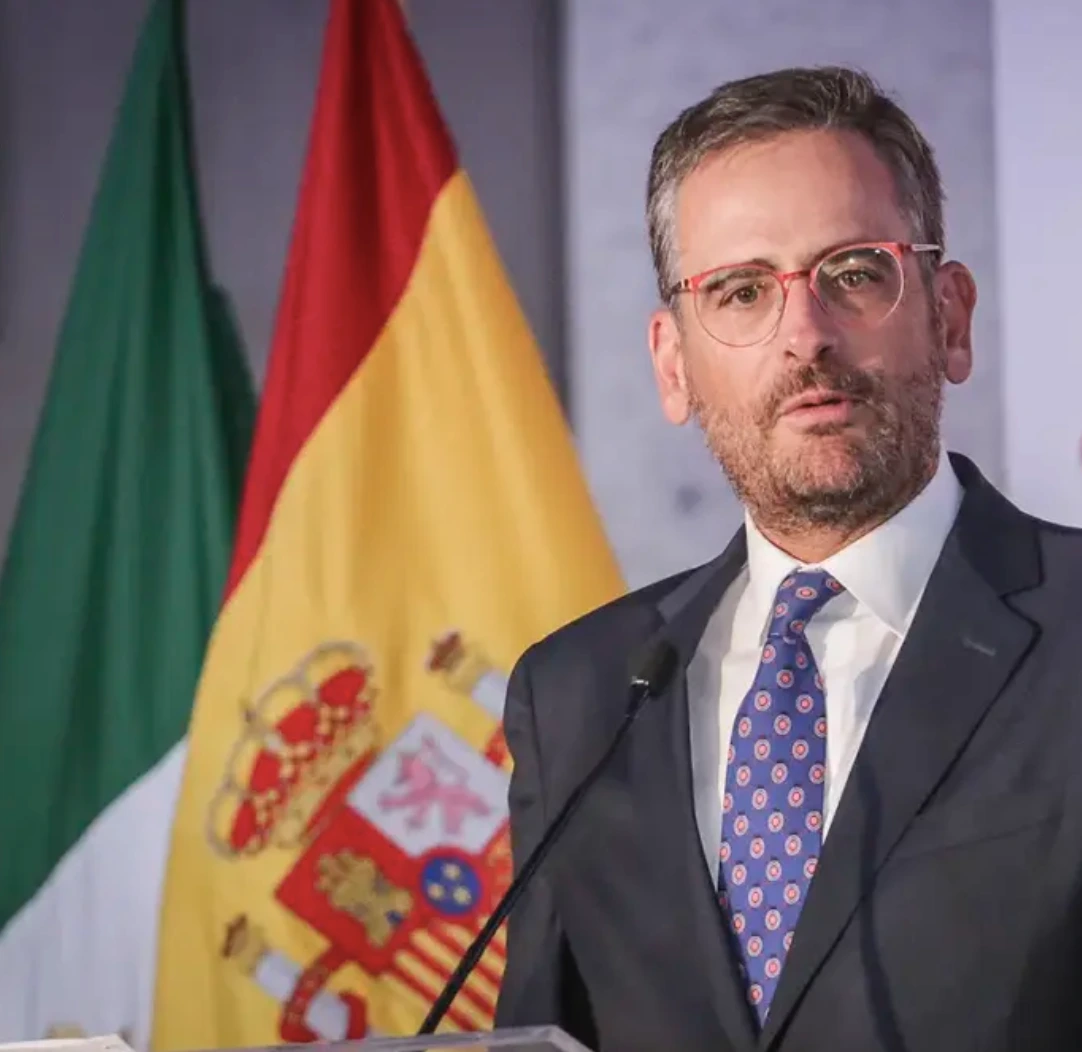
Antonio Basagoiti Pastor is a distinguished Spanish executive with decades of high-level experience in the banking sector.
As President of the Spanish Chamber of Commerce in Mexico (CAMESCOM), President of the Federation of Spanish Chambers of Commerce in the Americas (FECECA), and Head of Distribution and Regionalization at Banco Santander Mexico, he is a driving force behind the expansion of Spanish-Mexican commercial relations.
A graduate in Law from the University of Deusto, Basagoiti has played a pivotal role in shaping and advancing cross-border investment strategies between Spain and Mexico, combining strategic vision with a truly natural talent for forging impactful partnerships that strengthen trade, business, and cultural ties between the two countries.
S P A I N & M É X I C O
The Perfect Tandem as mutual Natural Gateways for Strengthening Trade & Business Relations between Europe and the Americas
The bond between Spain and Mexico has strengthened over centuries, evolving into one of the most productive and rewarding commercial relationships in Ibero-America.
Each day, new Spanish companies are discovering Mexico as fertile ground to grow, innovate, and compete on a global stage.
From technology and sustainable energy to luxury goods and agribusiness, the business exchange between these two nations goes far beyond transactions: it fuels talent development, fosters knowledge transfer, and cultivates a world-class corporate culture, positioning Spain and Mexico as strategic partners in shaping the future of international commerce.
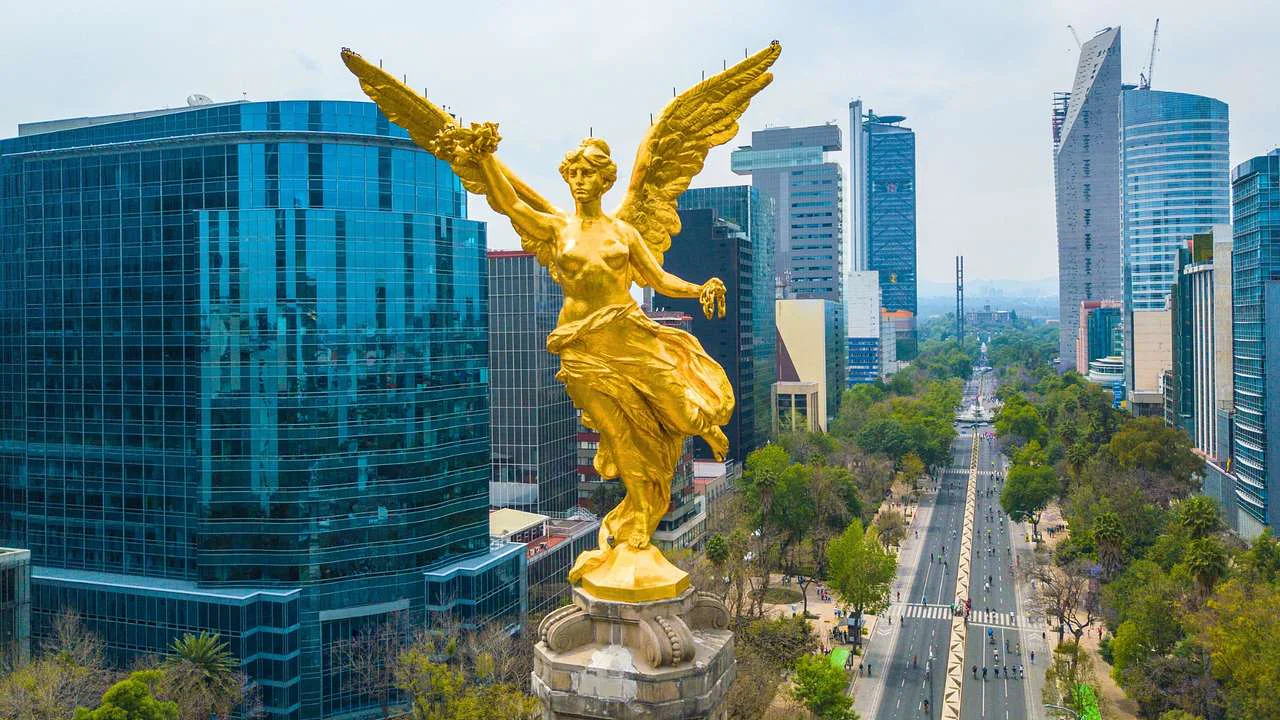
At the same time, an increasing number of Mexican companies are turning to Spain as their natural gateway to the European ecosystem, benefiting from world-class standards of quality, innovation, and international vision that enable them to successfully expand from Spain into new markets.
This fertile and continuous exchange of opportunities and collaboration positions Spain and Mexico as an irresistible duo: a tandem through which both nations grow and transform, grounded in a deep natural compatibility that unfolds across a mosaic of projects, investments, business ventures, and shared successes.
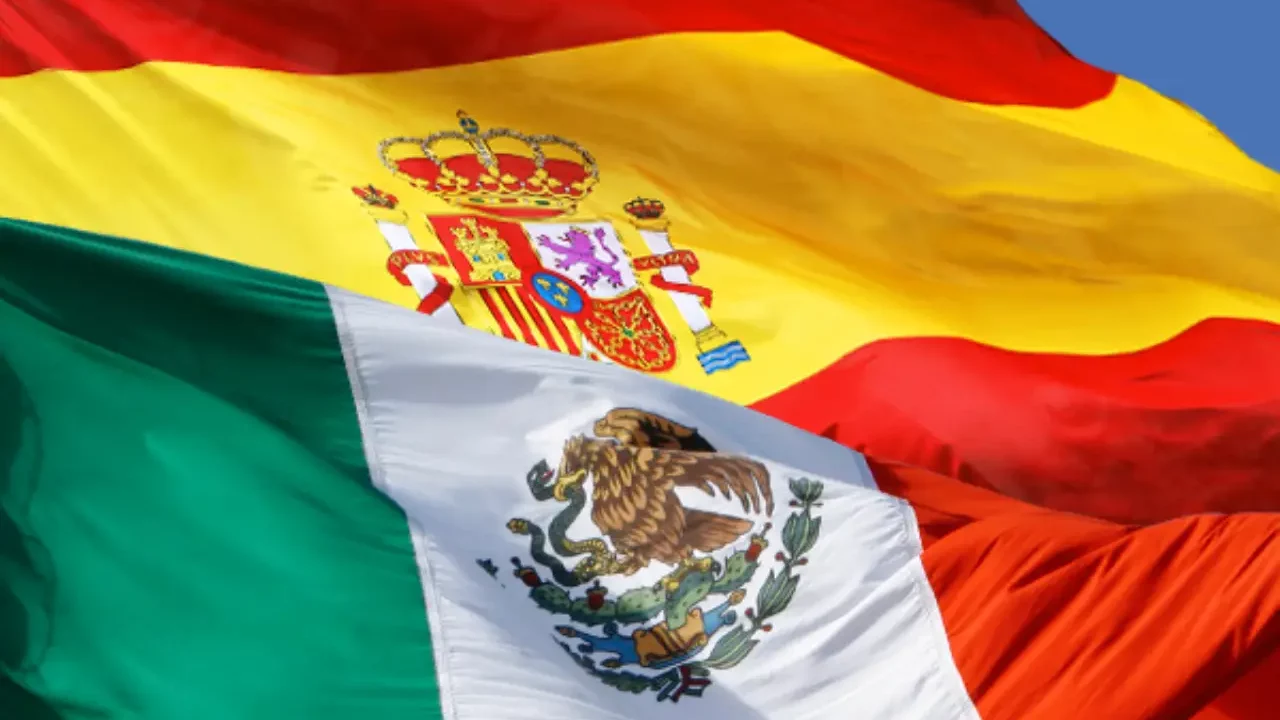
Interview with Antonio Basagoiti
President of the Spanish Chamber of Commerce in Mexico (CAMESCOM)
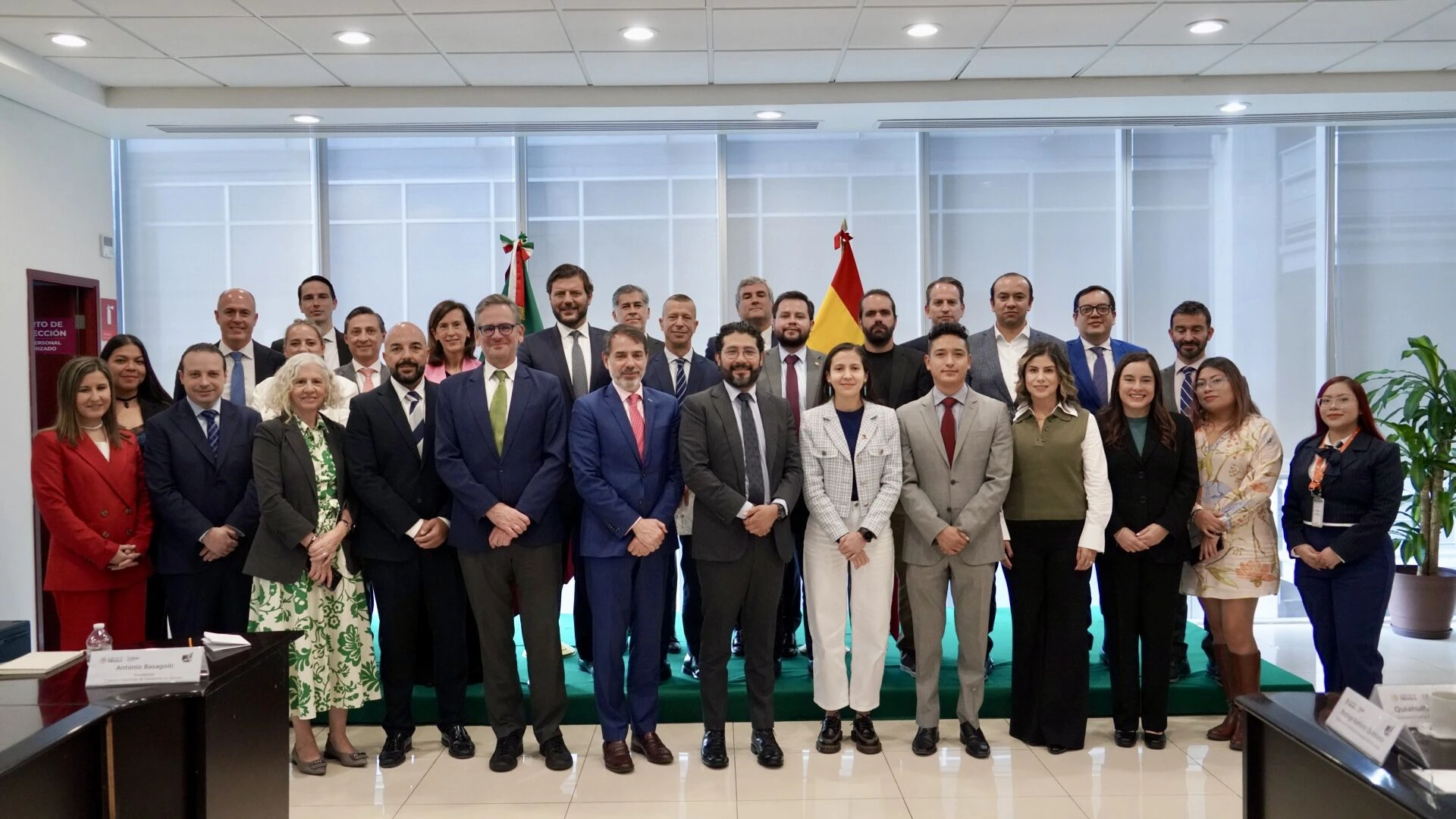
Antonio Basagoiti during a session with Mexico’s Ministry of Labor and Social Welfare (STPS), led by its Secretary, Marath Baruch Bolaños López.
Today, at The Ambassadors Sections, we interview Antonio Basagoiti in order to explore by his hand the key strenghts of one of the most important and strategic markets for the Spanish companies, a trusted and friendly country partner whose combined strengths point toward a highly promising future.
Antonio, President, thank you so much for joining us in this mission to highlight and elevate the extraordinary strength of the economic, commercial, and business relations between Mexico and Spain.
Thank you, Patricia, and The Ambassadors Sections, for promoting and showcasing internationally the strong commercial, business, and cultural ties between Spain and Mexico.
To put things into perspective, Spanish investment in Mexico currently exceeds $75 billion, and it is important to highlight not only its economic impact, but also its significant social contribution.
Mexico is Spain’s main trading partner in Ibero-America and the leading destination for Spanish exports in Latin America.
Thanks to its privileged geographic position and the scale of its market, Mexico today stands as one of the most strategically important markets in the world, offering endless opportunities for growth and business development for Spanish companies.
When combined with our shared history, cultural ties, and the renowned warmth of Mexican hospitality, it becomes clear why so many Spanish companies established in Mexico, developing such a strong sense of connection to the country.
Today, more than 7,000 Spanish companies operate in Mexico, supported by a robust framework of free trade agreements and investment protection mechanisms.
In recent years, Mexico’s appeal has been further strengthened by the rise of nearshoring, positioning the country as a key destination for the relocation of production chains closer to the United States.
This is driven by its geographic proximity, deep integration into North American supply chains, and a highly skilled workforce.
This dynamic has placed Mexico among the most attractive destinations globally for manufacturing and technology investment, accelerating high value-added industrial projects and reinforcing its role as a strategic hub for international business.

Antonio, how would you assess the quality of relations between Mexico and Spain, from your personal perspective?
I would say that, without any exaggeration, the relations between Mexico and Spain are extraordinary.
Our relationship is built on unity and a profound sense of sharing.
In Mexico, there are nearly 200,000 Spaniards, many of them descendants of those who came to the Americas in the 19th and early 20th centuries with nothing but their ambition to build a future.
They settled, built families, and today their children, grandchildren, and great-grandchildren —Mexican passport holders—, still travel to Spain to connect with the roots of their parents and grandparents.
This bond, this union, goes far beyond business and trade. It is a deep, multigenerational exchange between the two countries that transcends commerce and touches culture, family, and shared history.
These personal connections are reflected in the robust connectivity between both nations.
Today, there are over 60 direct weekly flights between Mexico and Spain, which I believe is the best indicator of the genuine closeness between the two countries.
Just last year, more than one million passengers arrived in Mexico from Spain’s four main cities, marking a 7.3% increase over the previous year.
This represents roughly 20,000 passengers per week on direct flights, underscoring not only the strength of our transatlantic connectivity but, above all, the exceptional health of the relations between Spain and Mexico.
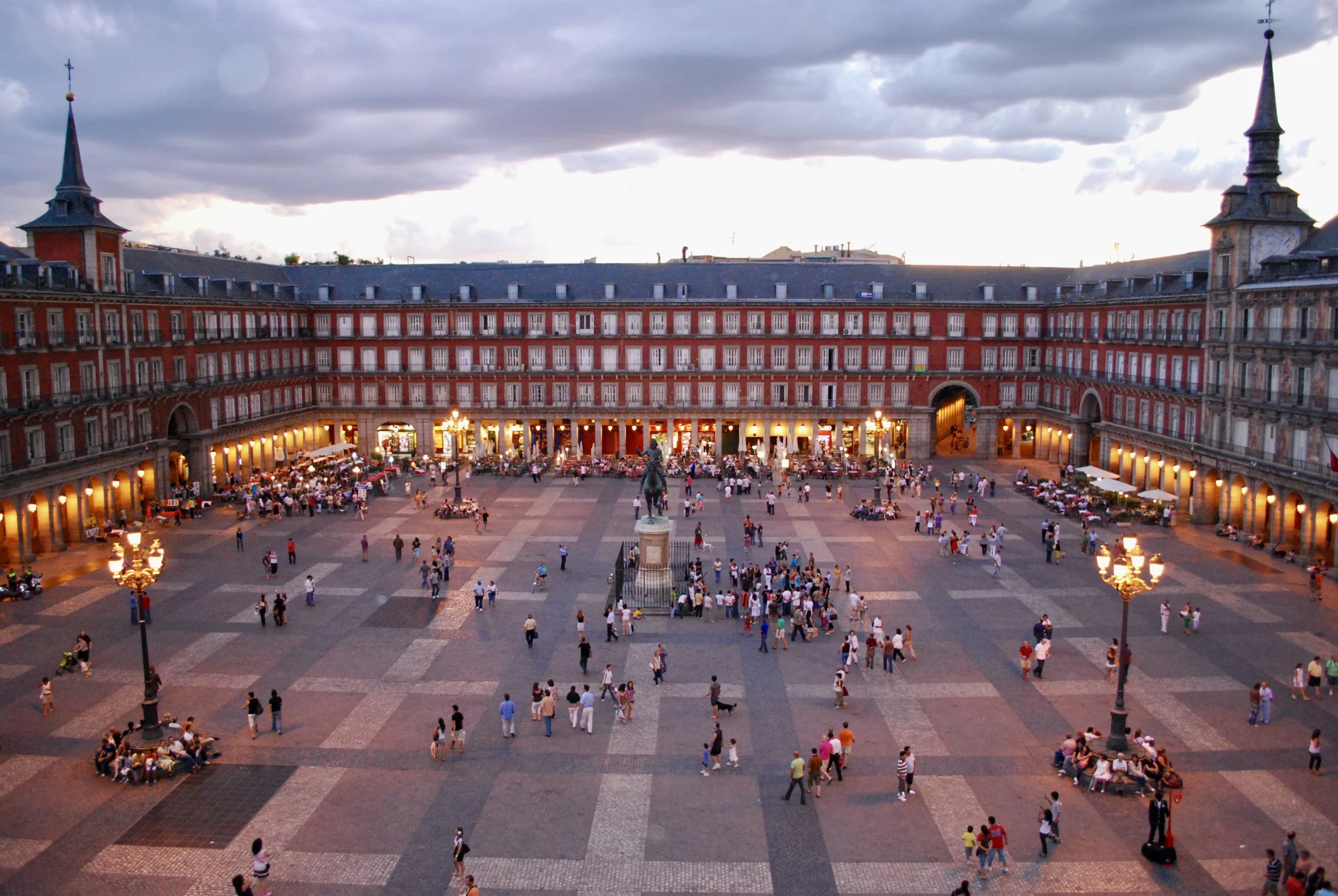
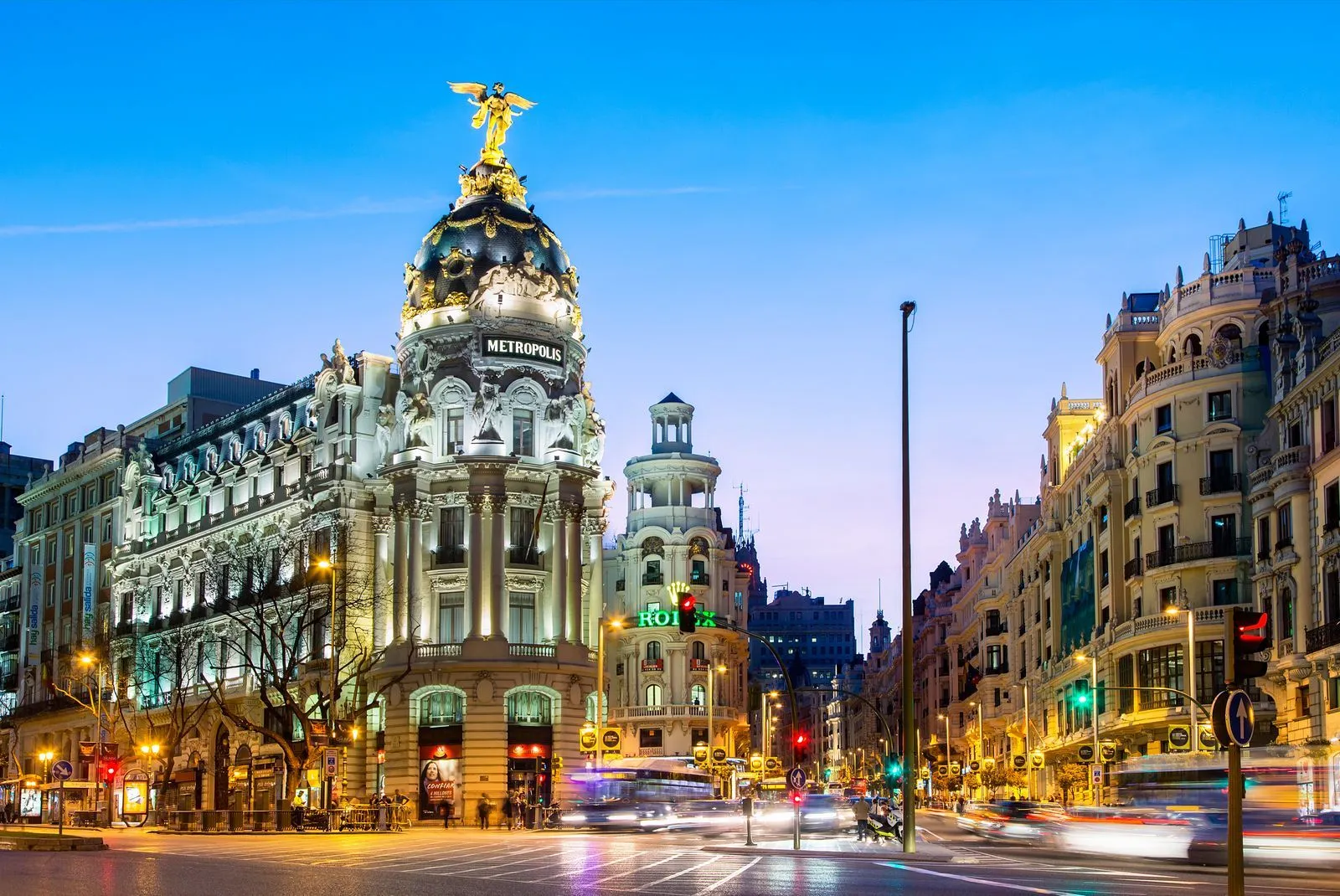
Plaza Mayor, Madrid

Plaza del Zócalo, México DF
From a business perspective, the relationship is intensely strong, as Spain ranks as the second-largest investor in Mexico, only behind the United States. Yet, I always say that in terms of heart and soul, Spain is undoubtedly the first.
Investing in Mexico from the U.S, just across a 3,000-kilometer border easily accessible by car via Tijuana, is one thing.
Investing from 9,000 kilometers away by plane, however, carries far more weight and significance. Especially when you consider that the U.S. economy is sixteen times the size of Spain’s. By these measures, Spain truly leads in commercial engagement in Mexico.
On the institutional side, of course there are ups and downs, as with any country, sometimes driven by debates unrelated to the reality of families, businesses or investments, operating in spheres in which we do not even participate.
When discussing Mexico’s history in Spain, I want our readers to understand that without this shared history, many things simply wouldn’t exist.
A subtle example, but a meaningful one, is gastronomy: for instance, there would be no gazpacho, because the tomato came from Mexico, there would be no Spanish omelet, because the potato arrived from the Americas, and conversely, there would be no tacos in Mexico, because the key ingredients, pork or beef, were introduced after the discovery of the Americas.
My point is that, we are connected by so many things in so many ways, that no political dynamic can ever break these ties.
Mexico represents a vital market for Spain and a strategic hub for global companies seeking expansion, operational efficiency, and competitive positioning in a dynamic, forward-looking economic environment.
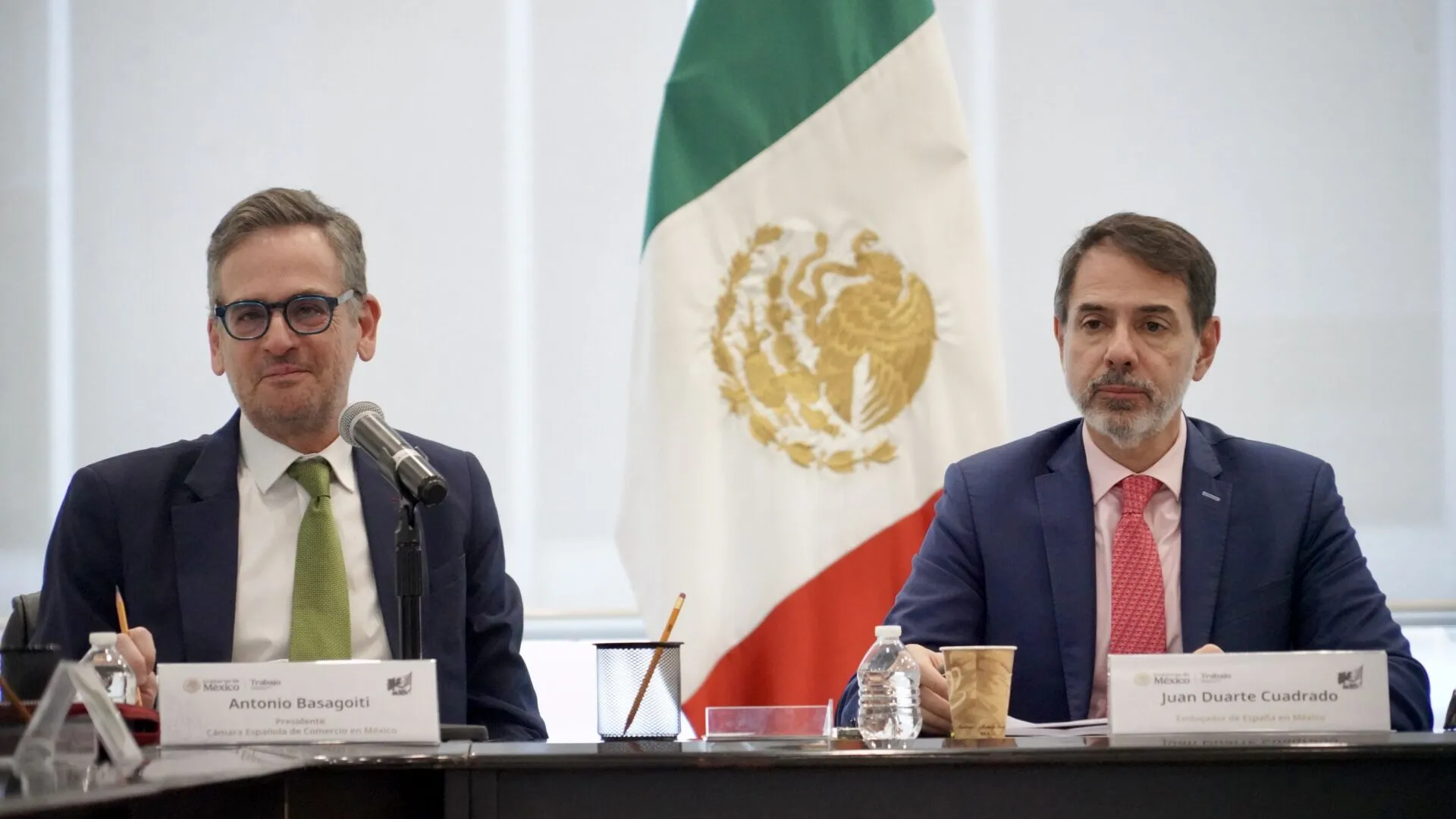
Antonio Basagoiti, President of the Spanish Chamber of Commerce in Mexico, and Juan Duarte Cuadrado, Ambassador of Spain to Mexico.
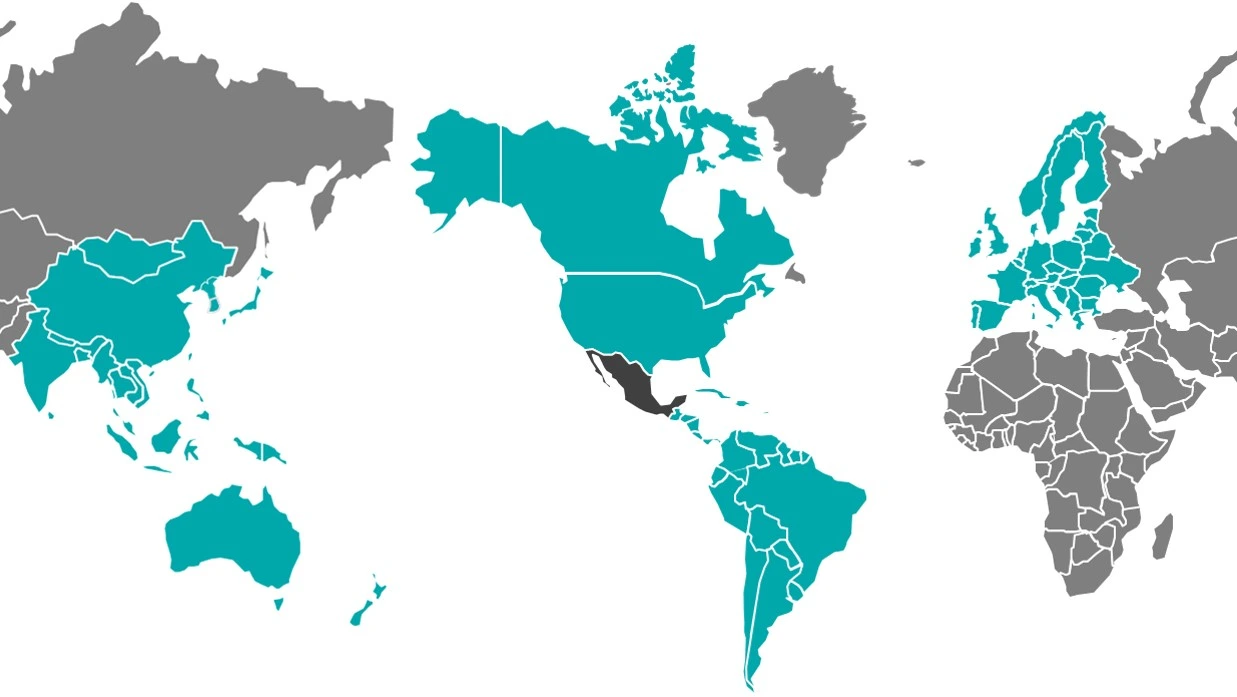
Mexico is, both technically and literally, at the heart of the world—granting privileged, almost direct access, to the planet’s most important markets.
The geostrategic position of both countries is truly extraordinary…
Indeed, it is. Spain serves as the natural gateway to the rest of Europe, North Africa, and, of course, Latin America, while Mexico sits at the heart of the American continent, directly bordering the United States and maintaining nearly direct ties with Canada.
Spanish companies choosing to invest in Mexico see first and foremost a market of 130 million people, with a young average age of 29, highly educated and full of potential.
Mexico is a country rich in natural resources, strategically located in North America, making entry into its market often a first step toward supplying or expanding into other North American markets, including both the United States and Canada.
At the same time, Mexican investment in Spain has grown exponentially in recent years. Leading Mexican entrepreneurs and investors are acquiring luxury properties in Madrid, Barcelona, Andalusia, the Balearic Islands, and the Basque Country.
Yet what often goes unnoticed, despite its colossal significance, is industrial investment: Mexico has invested $33.9 billion in Spain in recent years, with a strong presence in sectors such as real estate, industry, mobility, tourism, and the agri-food industry.
It is also worth noting that one of Spain’s leading producers of Iberian ham has been owned by a Mexican company for nearly a decade—a testament to the depth and diversity of the bilateral economic relationship.

A legendary Spanish company founded in Burgos, is now 100% Mexican-owned.

Mexican investment in luxury real estate in Spain, particularly in Madrid, reached nearly €33.9 billion in 2025, representing more than 50% of all Latin American capital invested in the country.
Originally, for Mexican entrepreneurs and investors, entering Spain through investment was about “testing the waters”: stepping into the Spanish market, seeing how it operates and develops, and then gradually diversifying their presence and assets across Europe.
Yet, many find that, once they arrive, they want to anchor their investments in Spain, realizing that it is where they feel most at home, in every sense.
Moreover, Spain and Mexico operate like interconnected vessels: When financial uncertainty rises in Mexico or the United States, driven by electoral cycles, exchange rates, or other factors, entrepreneurs and investors tend to move more toward Europe, entering through Spain.
Conversely, when specific sectors in Spain face challenges, Spanish companies expand toward Mexico or the U.S., often using Mexico as their gateway.
In fact, the last major wave of Spanish investment in Mexico occurred in the 2000s, driven by the need of Spanish companies to expand and compete on an international scale.
Simply put: when clouds appear in Mexico, Mexican capital flows to Spain; when clouds appear in Spain, Spanish companies arrive in Mexico. Both markets are mutually welcoming hubs for each other’s businesses and investments.
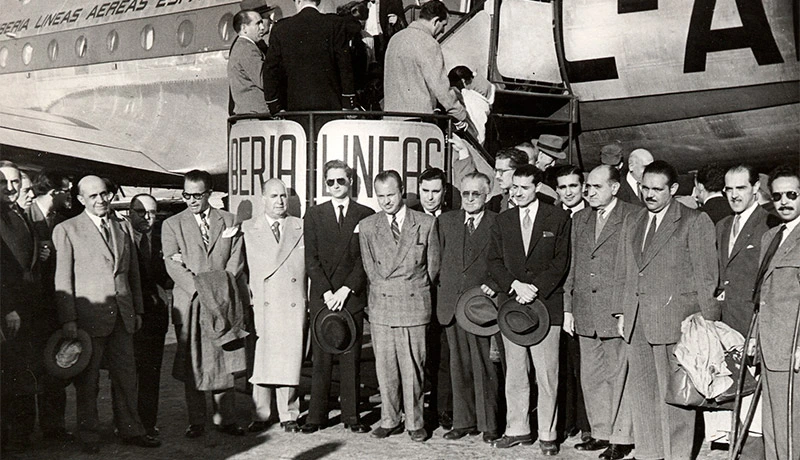
In 2025, IBERIA celebrated the 75th Anniversary of its first Spain-Mexico route.
Today, the airline connects Madrid and Mexico City with three daily flights.
Antonio, let’s now talk about CAMESCOM, which celebrated its 135th. Anniversary in 2025, a milestone you will commemorate this year 2026.
A long and fruitful history supporting Spanish companies with a presence in Mexico indeed…
Yes, the Spanish Chamber of Commerce in Mexico (CAMESCOM) is a cornerstone institution with over a century of experience fostering commercial relations between Spain and Mexico.
Founded in 1890 by merchants arriving in Mexico City, then known as the Federal District, to sell their products, it has ever since become one of the most traditional and influential European business institutions in Mexico.
Our mission is to promote commercial relations between Spain and Mexico, bringing together more than 600 Spanish companies across diverse sectors.
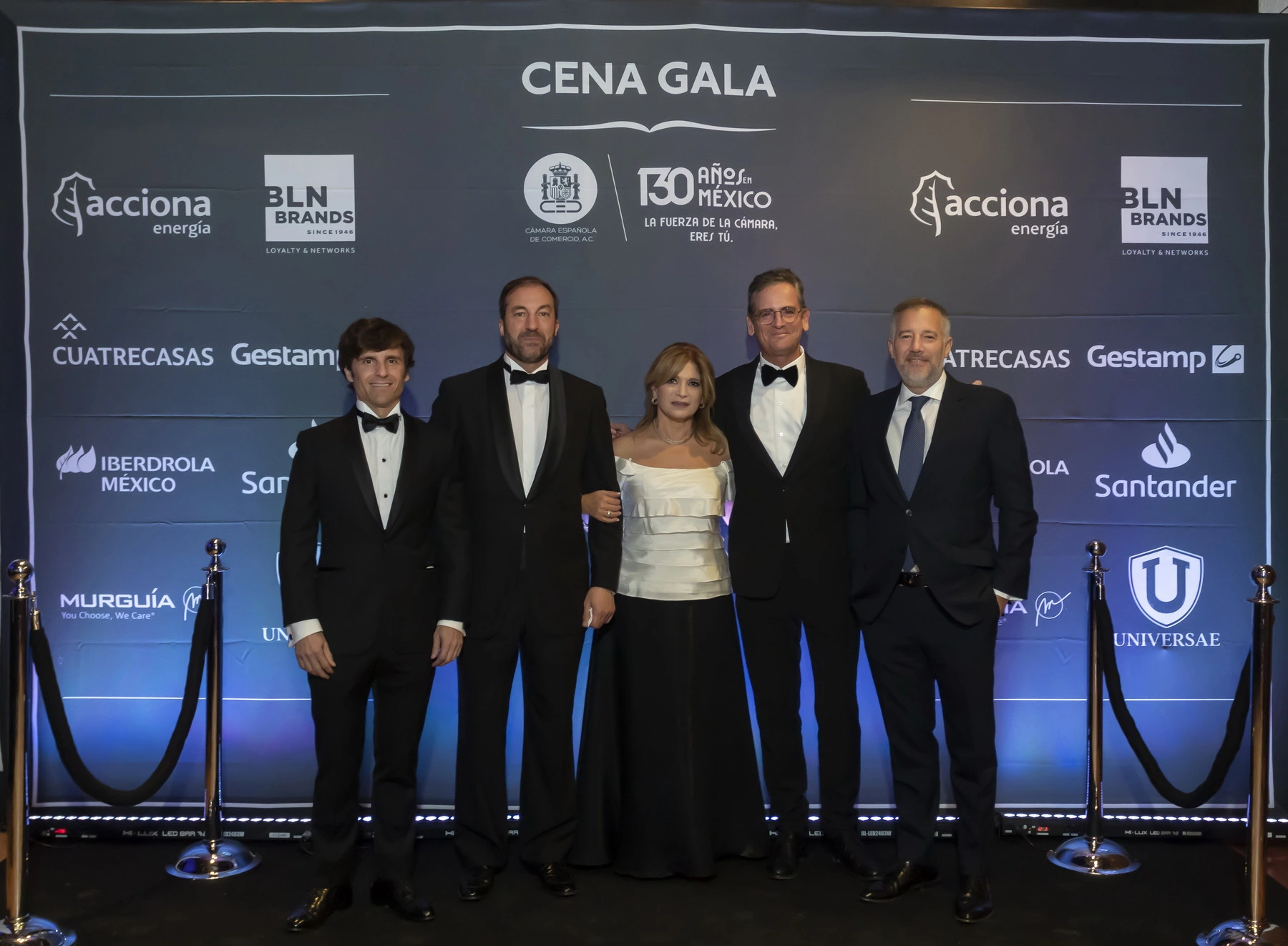
On June 4th. 2026, we will celebrate the Gala Evening marking the Anniversary of 135 years of the Spanish Chamber of Commerce in Mexico.
Set in the unparalleled setting of the ex Convento de San Hipólito, the event will bring together business leaders, diplomatic representatives, and strategic partners in one of the most significant gatherings of the year.
For us, this Gala is much more than a celebration. It will be a unique evening to connect with top-tier professionals from the business ecosystem and strengthen strategic relationships.
We welcome the companies wishing to attend and enjoy this wonderful event with us, is a great opportunity for high-level networking.
Currently, we represent 85% of the total Spanish companies with investments in Mexico and focus primarily on boosting economic, commercial, technological, and cultural exchange, fostering trade, investment, and bilateral economic relations, while providing support, advisory services, and networking opportunities to both Spanish and Mexican companies.
CAMESCOM acts as a business platform facilitating internationalization, organizing events and corporate meetings that enable networking, dialogue, and collaboration among partners and key stakeholders.
We also operate in the realms of Representation and Advocacy, defending the interests of the Spanish business community in Mexico and providing advisory services through personalized attention to all our members, including market studies, sector reports, and support throughout internationalization processes.
Naturally, we also support Investment: promoting foreign direct investment and helping companies understand the needs of the local market.
Our priority has always been, —and will continue to be—, to actively strengthen commercial ties between Spain and Mexico, adapting to changes in the business environment to ensure the success of all our members.
What’s new is that we now also serve small and medium-sized enterprises and investors with interests in Spain.
To put it metaphorically, we provide a perfectly maintained runway, smooth and free of obstacles for you to land in Mexico. But you know…sometimes it rains, it rains economically or institutionally, and that’s when we also offer the Spanish companies a perfect umbrella, one of the best umbrellas available in Mexico for Spanish businesses and investors is the one provided by the Spanish Chamber of Commerce in Mexico.

An invaluable support for Spanish businesses and investors, without a doubt, and I find it very positive that you now also serve SMEs, as they are the essence, the very texture of the Spanish business landscape.
Antonio, and which sectors do you see as having the greatest growth potential?
I would say that, right now, Nearshoring could possibly stand out above them all.
As we have seen, currently, more than 7,000 Spanish companies operate in Mexico, backed by free trade agreements and investment protection frameworks.
Mexico’s appeal has been further reinforced in recent years by the Nearshoring phenomenon, positioning Mexico as a key destination for relocating production chains closer to the United States.
This is supported by its geographic proximity, its integration within North American supply chains, and a highly skilled Mexican workforce.
This dynamic has placed Mexico among the world’s most attractive destinations for manufacturing and technology investment, accelerating high value-added industrial projects.
While the global landscape faces increasing volatility due to potential new tariffs, Mexico is uniquely positioned to navigate this scenario with greater resilience than other regions.
Unlike Asian or European competitors, Mexico benefits from the institutional backing of the USMCA (T-MEC) and deep industrial integration with the United States. In this context, any trade barriers imposed on third countries tend to enhance Mexico’s standing as the safest and most efficient “nearshore” partner, turning global uncertainty into a regional consolidation opportunity.
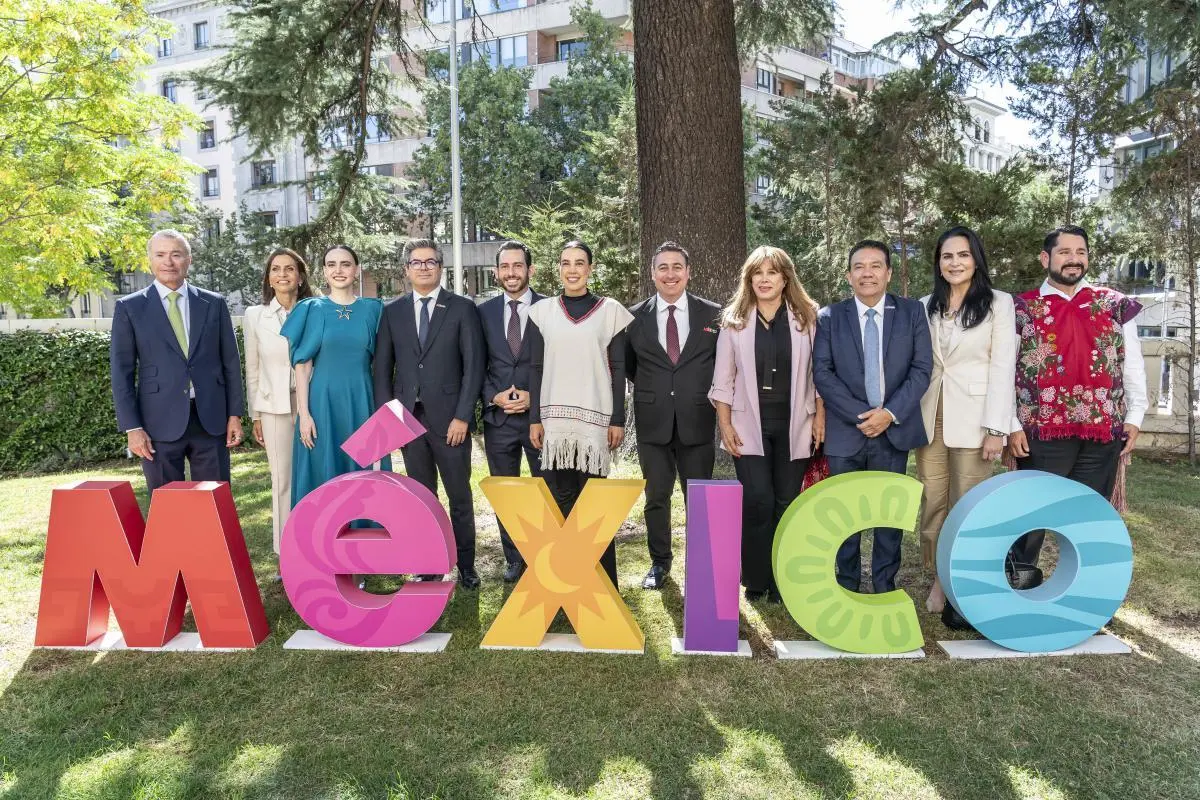
Regarding other high-potential sectors, Mexico’s role as a Partner Country at FITUR 2026 confirmed the maturity of our tourism alliance.
For the Chamber, this represents a robust two-way investment platform: major Spanish hotel chains maintain their structural commitment to Mexico, while Mexican capital actively revitalizes the service and real estate sectors in Spain, and FITUR has been a showcase for this integration.
Mexico has in Spain its natural gateway to Europe, while Spain remains its most loyal partner in the Americas. Tourism is thus confirmed not merely as leisure, but as the ‘shared oil’ of our economies, generating value chains that benefit businesses on both sides of the Atlantic.
I would also highlight, without a doubt, the financial sector, and not just the major banks, but all services that support financial activity, particularly in technology. With nearly 65 million Mexicans lacking a bank account or credit card, any initiative that brings financial services to the unbanked represents a clear and enormous opportunity.
Another significant area of opportunity lies in infrastructure. There is still much to build: roads, railways, and airports. And this does not concern only the large construction firms—it also opens doors for companies producing top-quality safety components, for instance, for railway systems.
The automotive sector is also crucial. From production chains to logistics and accessories, Mexico has become the fourth-largest car manufacturer in the world. The automotive industry contributes around 3.6% of the national GDP, more than 20% of the manufacturing GDP, and provides over 530,000 direct jobs, making it a pillar of Mexico’s economic strength and industrial strategy.
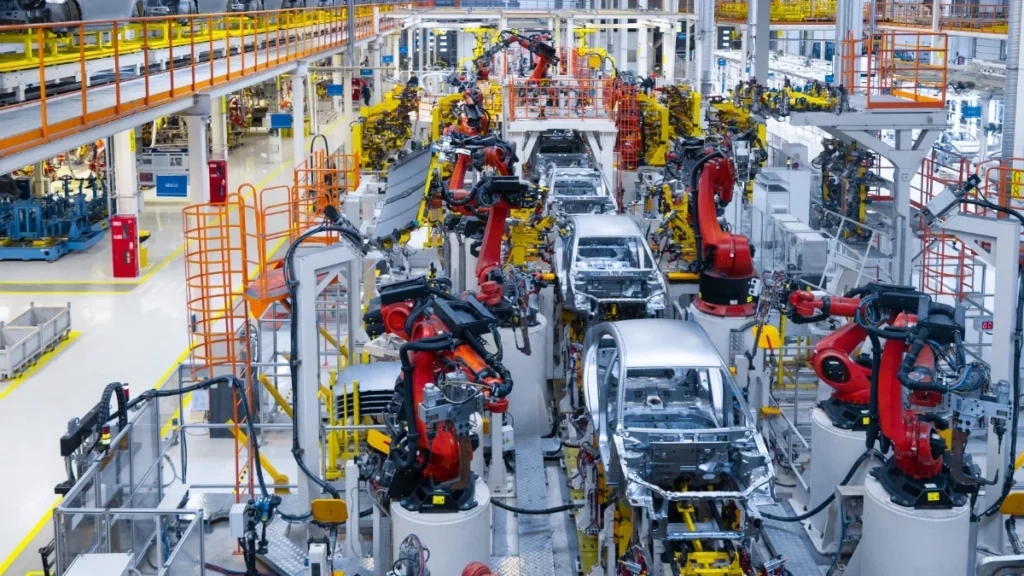
Mexico ranks as the seventh-largest vehicle producer in the world and the fourth-largest global exporter, benefiting from a strategic location near the United States, a highly skilled workforce, trade agreements, and a strong attraction for foreign investment.
The automotive sector is the country’s leading manufacturing export, with 85% of vehicles assembled destined for foreign markets, primarily the U.S.
Mexico is one of the top global destinations for automotive investment, hosting 20 vehicle assembly plants alongside a robust network of auto parts manufacturers.
Its geographic and logistical advantages, proximity to the largest automotive market in the world, and trade frameworks such as USMCA (T-MEC) facilitate exports and nearshoring operations, while offering a skilled workforce at competitive operational costs.
Another sector with significant growth potential is healthcare, particularly in digital transformation—telemedicine, electronic prescriptions, medical devices, hospital infrastructure modernization, and chronic disease management. These areas not only address urgent domestic needs but also position Mexico as a hub for innovative healthcare solutions in the region.
And of course, we cannot forget energy. As an industrialized and growing nation, Mexico increasingly requires renewable energy—solar and wind—driven by the need for a green transition, expanded capacity, energy storage, modernization of the electrical grid, and supply for the expanding manufacturing sector under the nearshoring model.
Mexico is accelerating investment in clean energy, aligning with international commitments and the rising demand from companies seeking to reduce their carbon footprint. The most attractive projects include solar power, wind farms, energy storage solutions, and smart grids.
Moreover, the energy transition is not only attracting private capital; it also drives technological innovation and the creation of highly skilled jobs, positioning Mexico as a leading hub for sustainable industrial growth in the region.

I sincerely believe, Antonio, that your dedication and CAMESCOM’s commitment are truly commendable, for the invaluable guidance you provide to companies and investors on how to enter and operate successfully in Mexico
Thank you, Patricia. It is our mission to advise and support every entrepreneur and investor on what they need to know when entering, establishing, or conducting business in Mexico.
The first thing I always emphasize is patience. Mexico requires patience, because no one will hire you or give you an immediate ‘yes’—nor a definitive ‘no’—until they truly get to know you. Business here functions much like personal relationships: it takes time to build trust.
The natural warmth and hospitality of Mexicans means that a direct ‘no’ is rare, but this should never be mistaken for a ‘yes.’ It is a common mistake for a company to arrive expecting to close a contract in the first week, only to leave and disappear. Likewise, it is not advisable for a small or medium-sized enterprise to invest its last €100,000 expecting instant success. Success in Mexico requires patience, persistence, and a careful cultivation of trust.
Another critical factor is the workforce. While every company should treat its employees well, in Mexico it is particularly important to respect hierarchy and interpersonal communication. A directive tone that might be natural in Spain—simply saying ‘Do this’—can easily be perceived as disrespectful or even aggressive in Mexico, with negative tangible consequences such as losing a potential partner or facing resistance from key teams.
Business in Mexico also has a strong social component. Relationships are built on trust and many negotiations take place over breakfasts, lunches, or dinners. A friendly tip for our readers: prioritize breakfast meetings…professional, productive, and alcohol-free!
(Laughs) Yes, because here in Mexico is not like just a harmless beer as in Spain. Here is more like a Little Tequila…
Or several… (Laughs)
Another key point: Mexicans value Spain and Spanish expertise highly, but arrogance does not go over well here…
Anyone looking to develop successfully a project or business here, cannot arrive acting as if they «already know everything», especially because in Mexico there are world-leading companies that in certain sectors are even stronger than ours, or those from other countries.
It’s also important to exercise caution regarding safety. Not all regions of the country—or even all areas within the same city—have the same level of security. Visitors should research carefully, avoid displaying ostentatious valuables, and be mindful of what they wear. Driving an expensive car or wearing a luxury watch is generally not recommended in Mexico. If you have them, it’s better to leave them at home or in your hotel, or even better, remove them until your return flight to home.
Regarding transport, the same: always use official apps such as Uber or Didi, or authorized taxis rather than street cabs. This is a critical recommendation for personal safety.
When it comes to business, due diligence is essential. Be especially careful with unfamiliar companies, particularly if corporate structures appear unusually complex. There are networks dedicated to illicit activities, and money laundering is a serious offense in Mexico, with potentially severe legal and financial consequences. Companies must know their partners, clients, representatives, and distributors thoroughly to avoid unintentionally handling illicit funds.
These are not blanket rules, of course, but practical important considerations to ensure a successful and secure entry—and sustained presence—in Mexico.
So, dear readers, friends, entrepreneurs and investors: Patience, Humility, and thorough Research are your best allies in Mexico.
I also strongly recommend hiring local talent, Mexican men and women who understand the country intimately, and above all, I encourage you to turn to us at the Spanish Chamber of Commerce in Mexico. We will provide the best “runway” for your arrival.
Come to us, take shelter under our umbrella, where you will be met with our full support, protection, and the warmest welcome.
We will help you every step of the way to make your projects, investments, and business ventures succeed in Mexico.
Mexico is a country of immense opportunities, and we welcome with open arms all Spanish companies, investors and institutions ready to explore them.
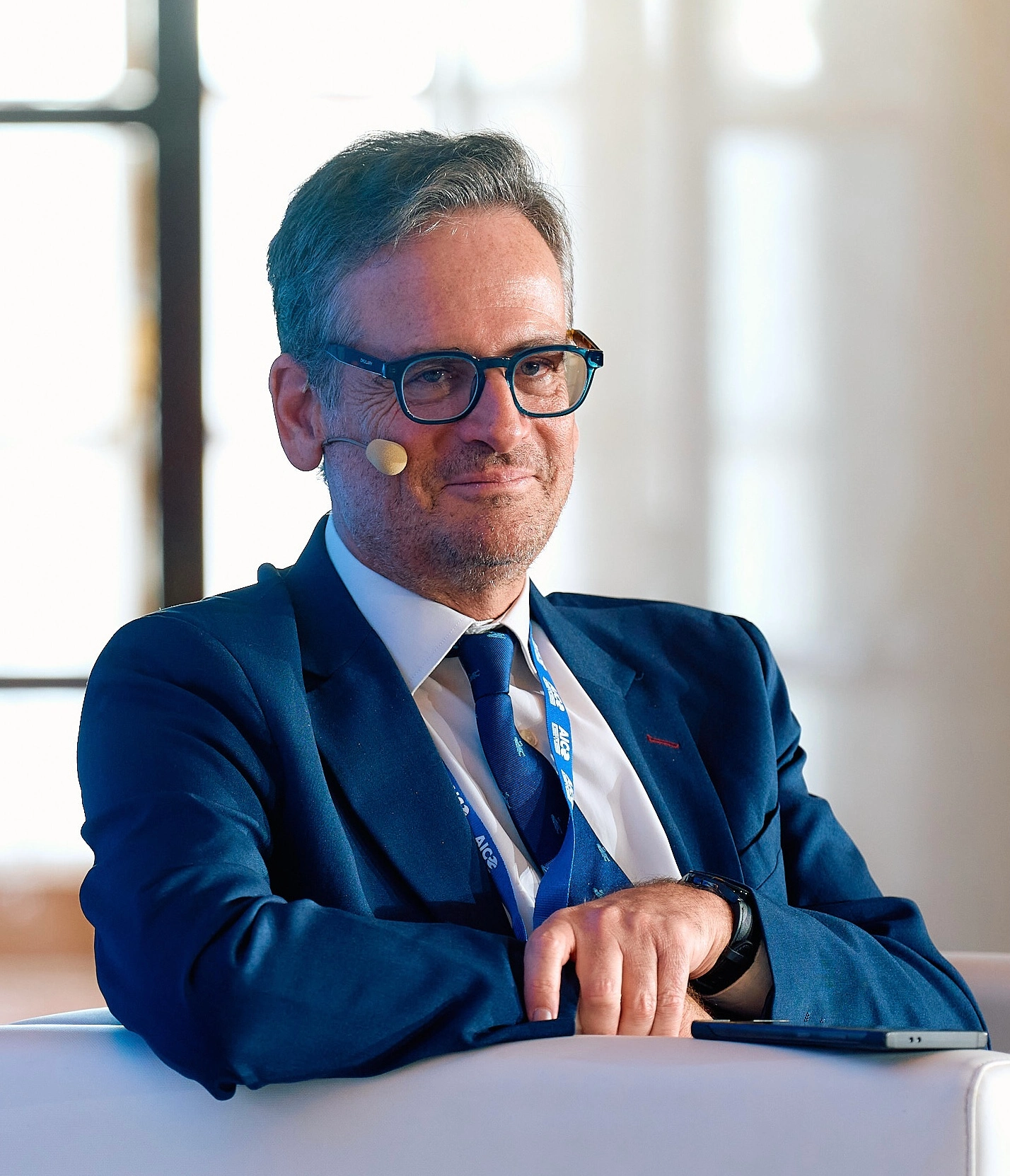
President
Spanish Chamber of Commerce in Mexico – CAMESCOM
By Patricia Pal
México D.F, January 26th 2026
International Report «México, Nearshoring Global»
2026 Edition
MÉXICO, NEARSHORING GLOBAL
Discover how Antonio Basagoiti and the Spanish Chamber of Commerce in Mexico (CAMESCOM) can welcome you, guide your business opportunities in Mexico, unlock new investment possibilities, and strengthen your local and international connections:
Patricia Pal – The Ambassadors Sections
Mariana García – Communication CAMESCOM México
Fernanda Ramos – Managing Director of Institutional Relations and Memberships CAMESCOM México